



GasVision-TD1
GasVision-TD1
OGI + TDLAS Dual-Mode Gas Detector
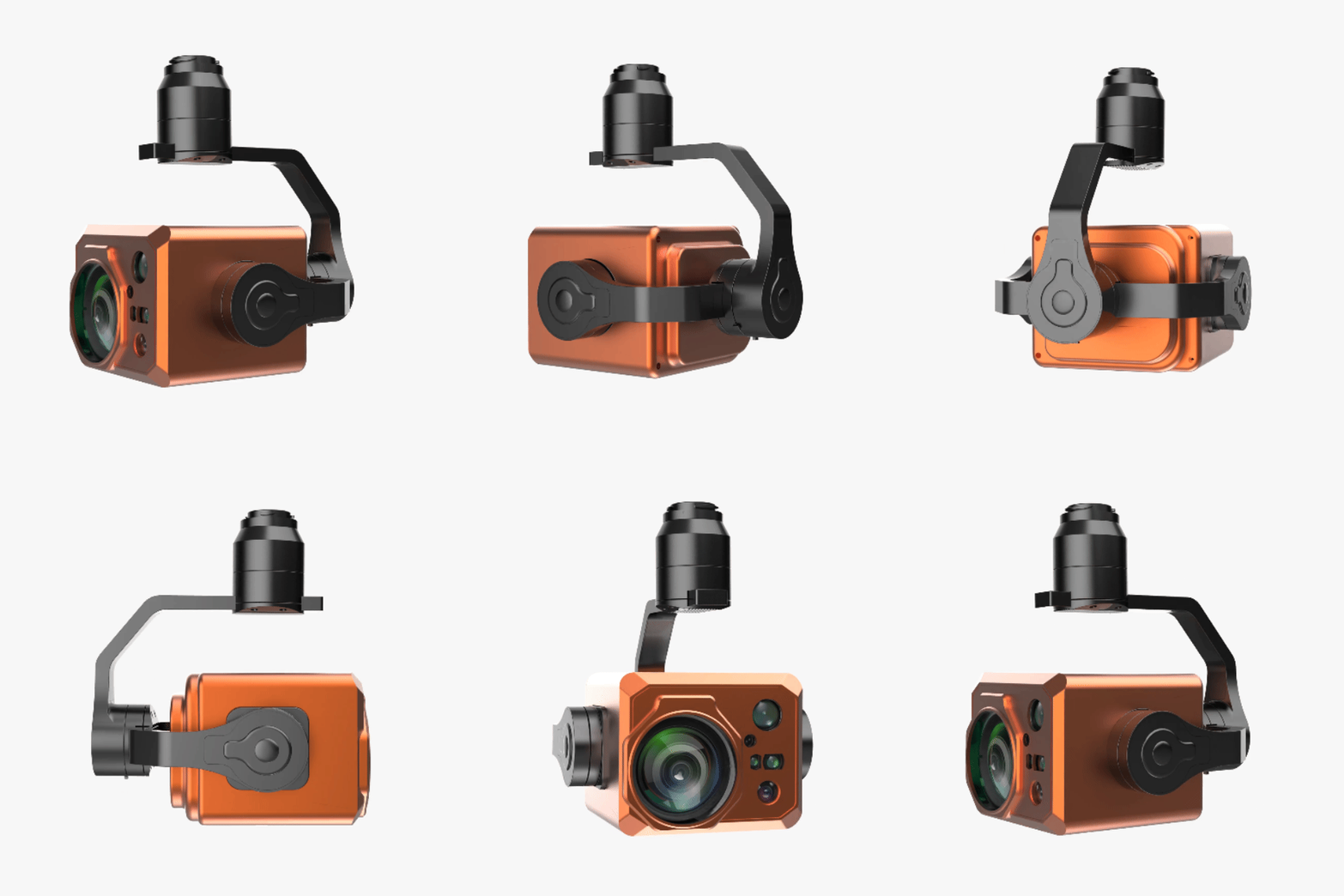
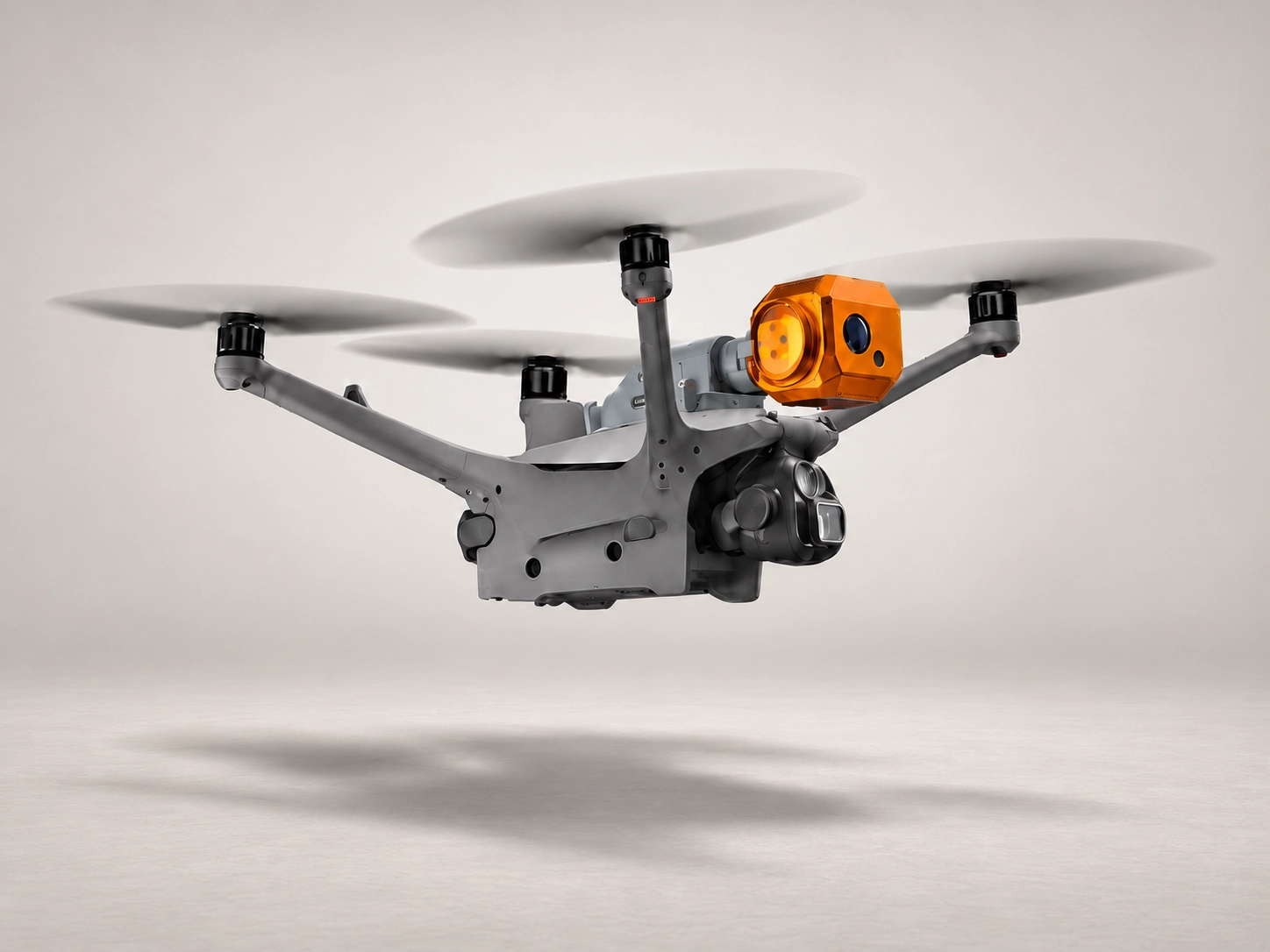
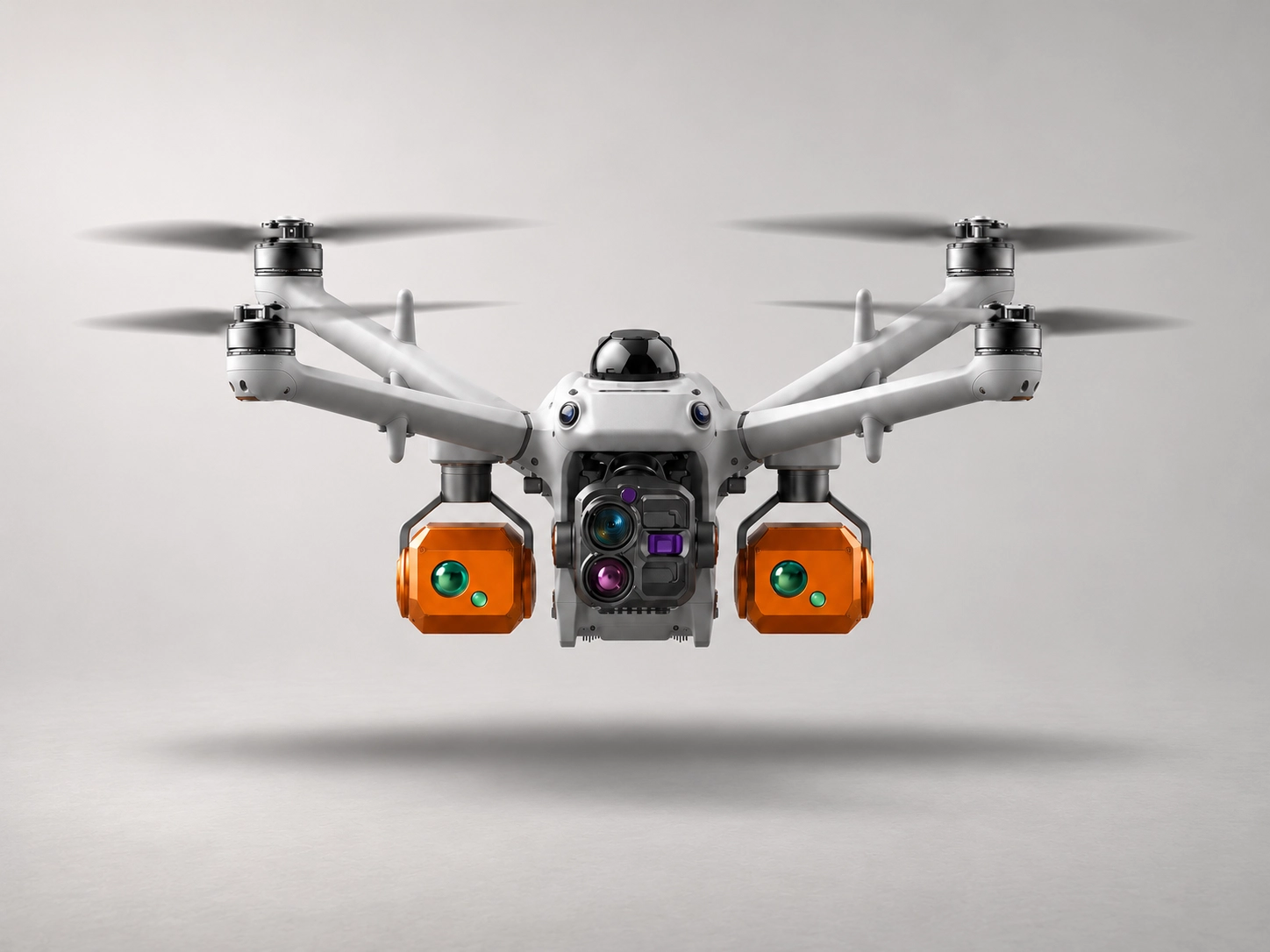
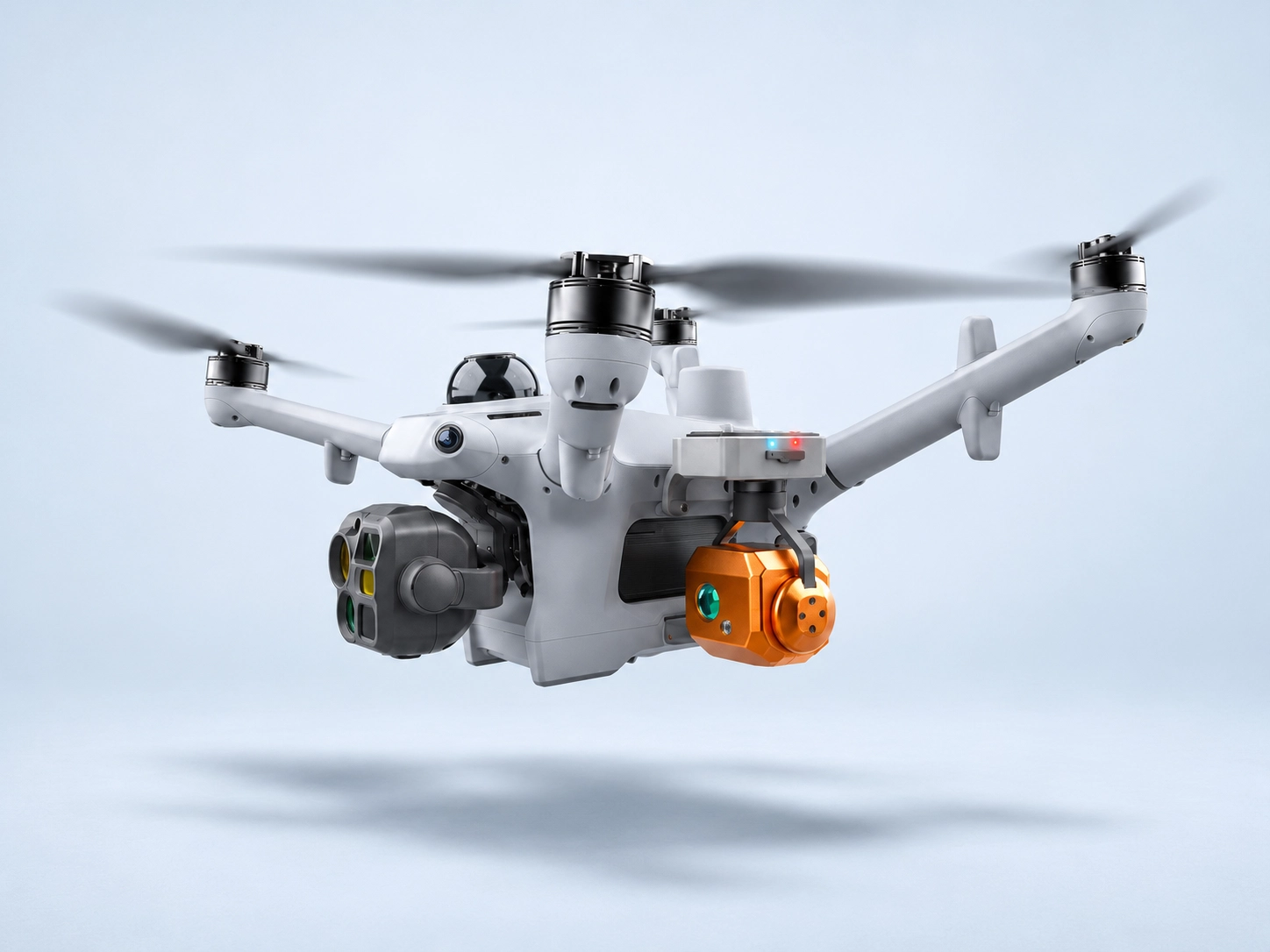
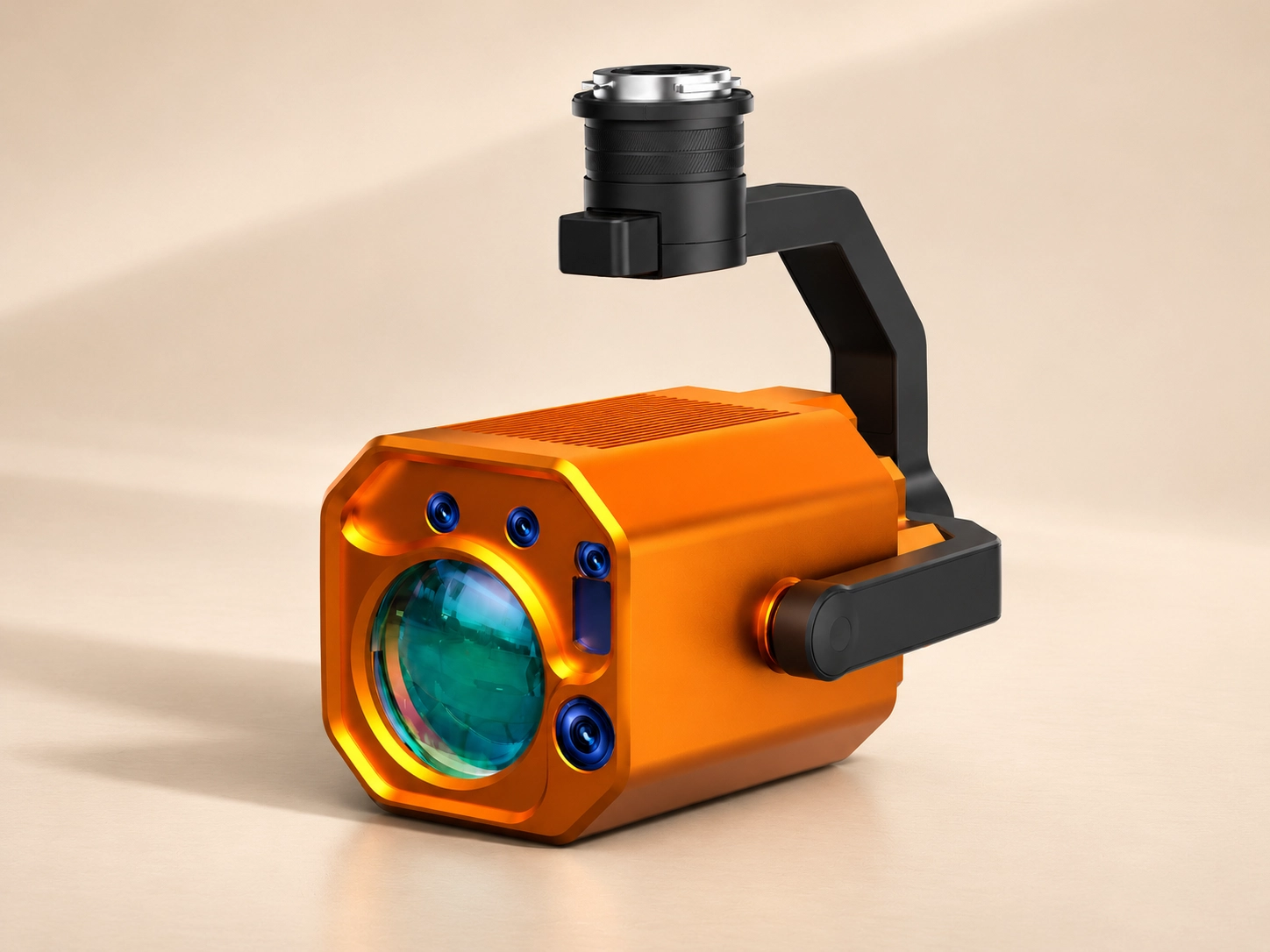
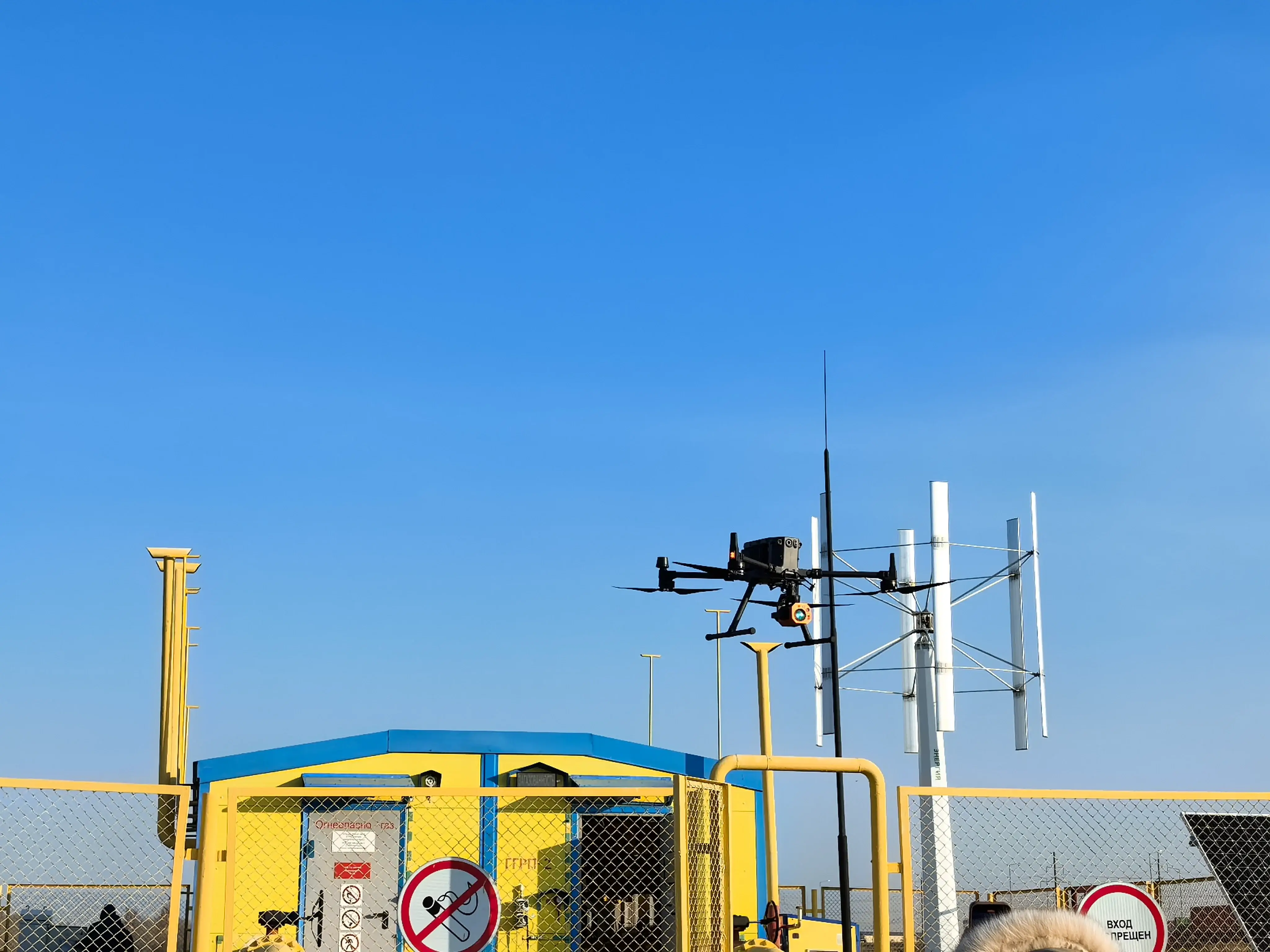
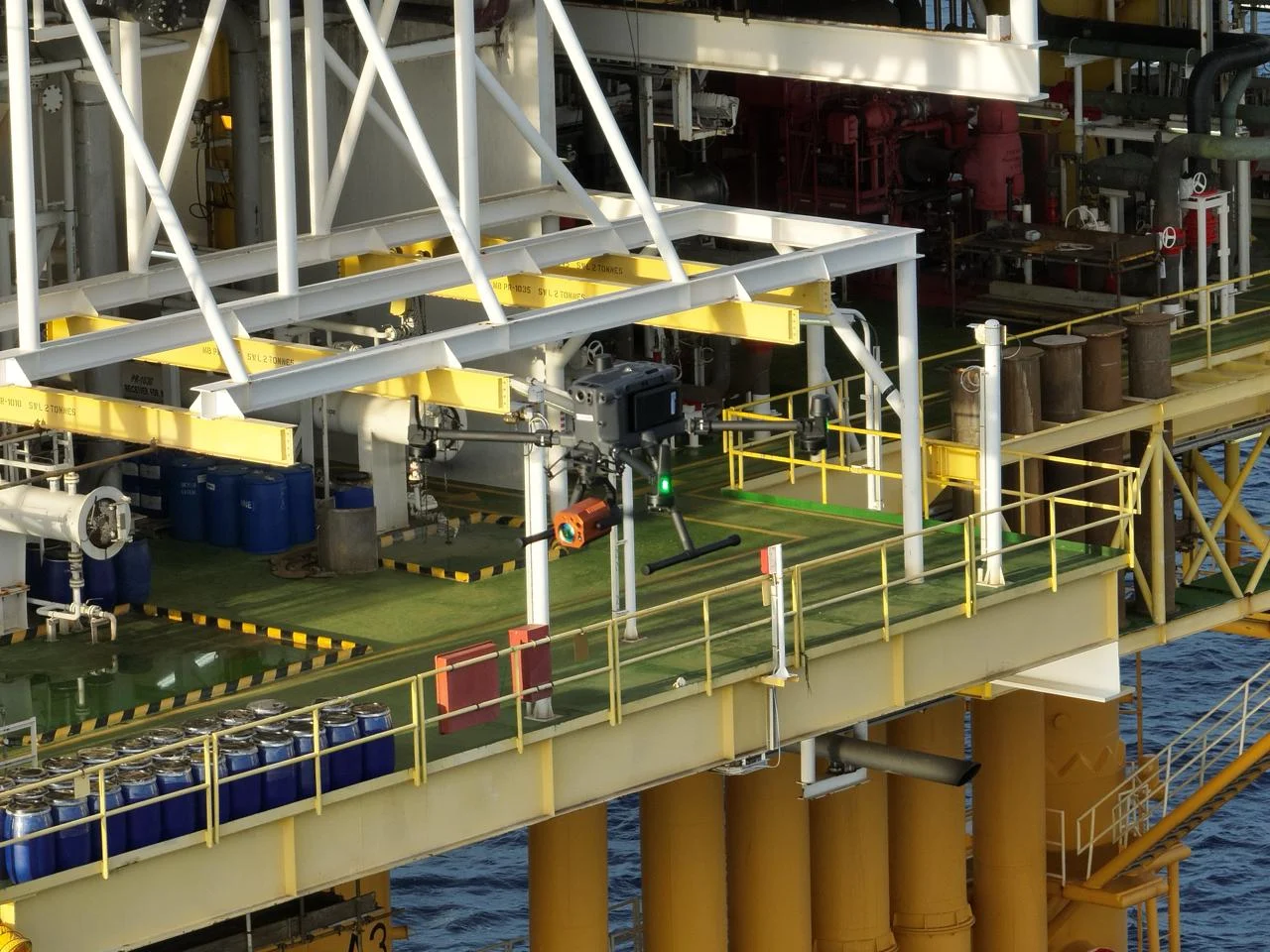
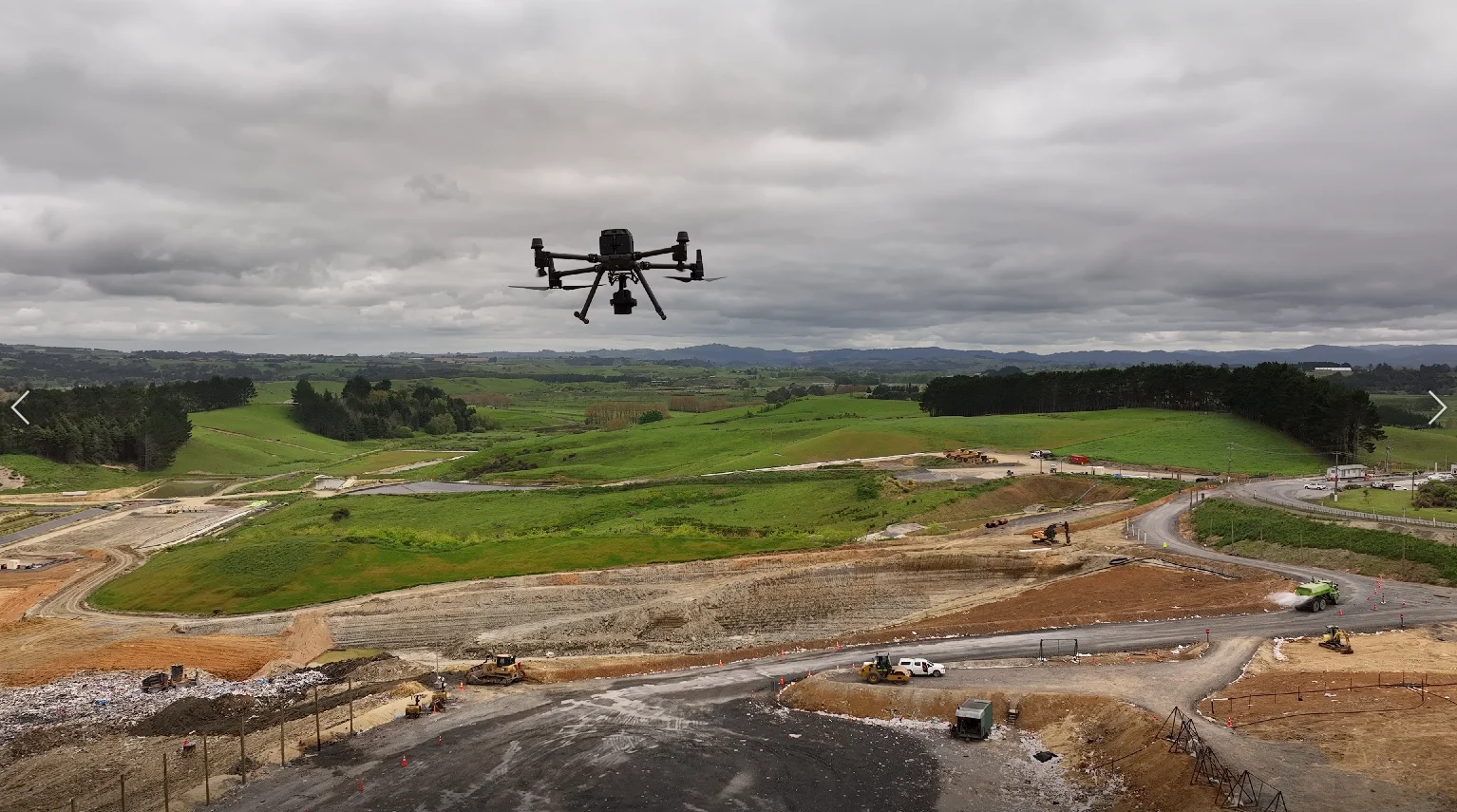
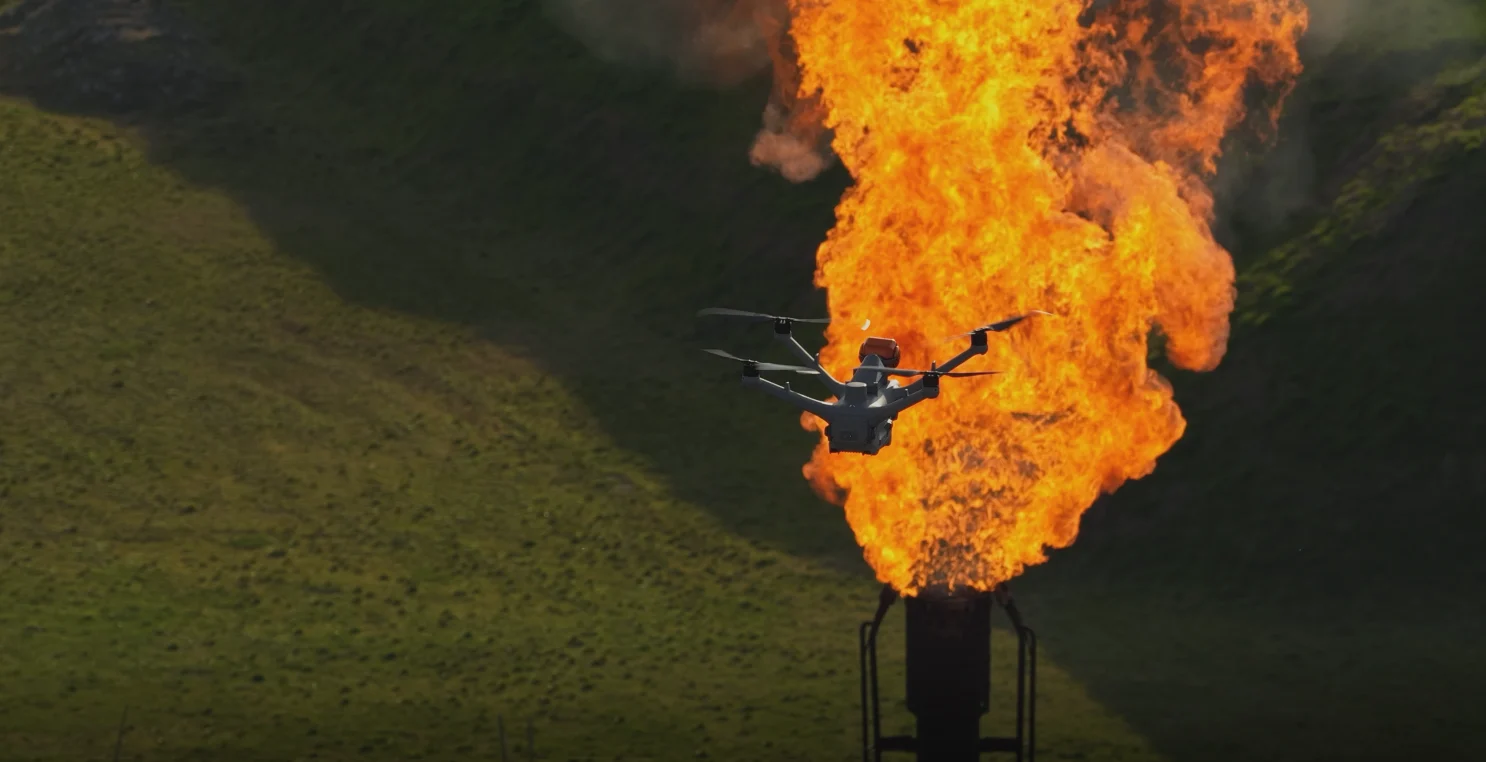
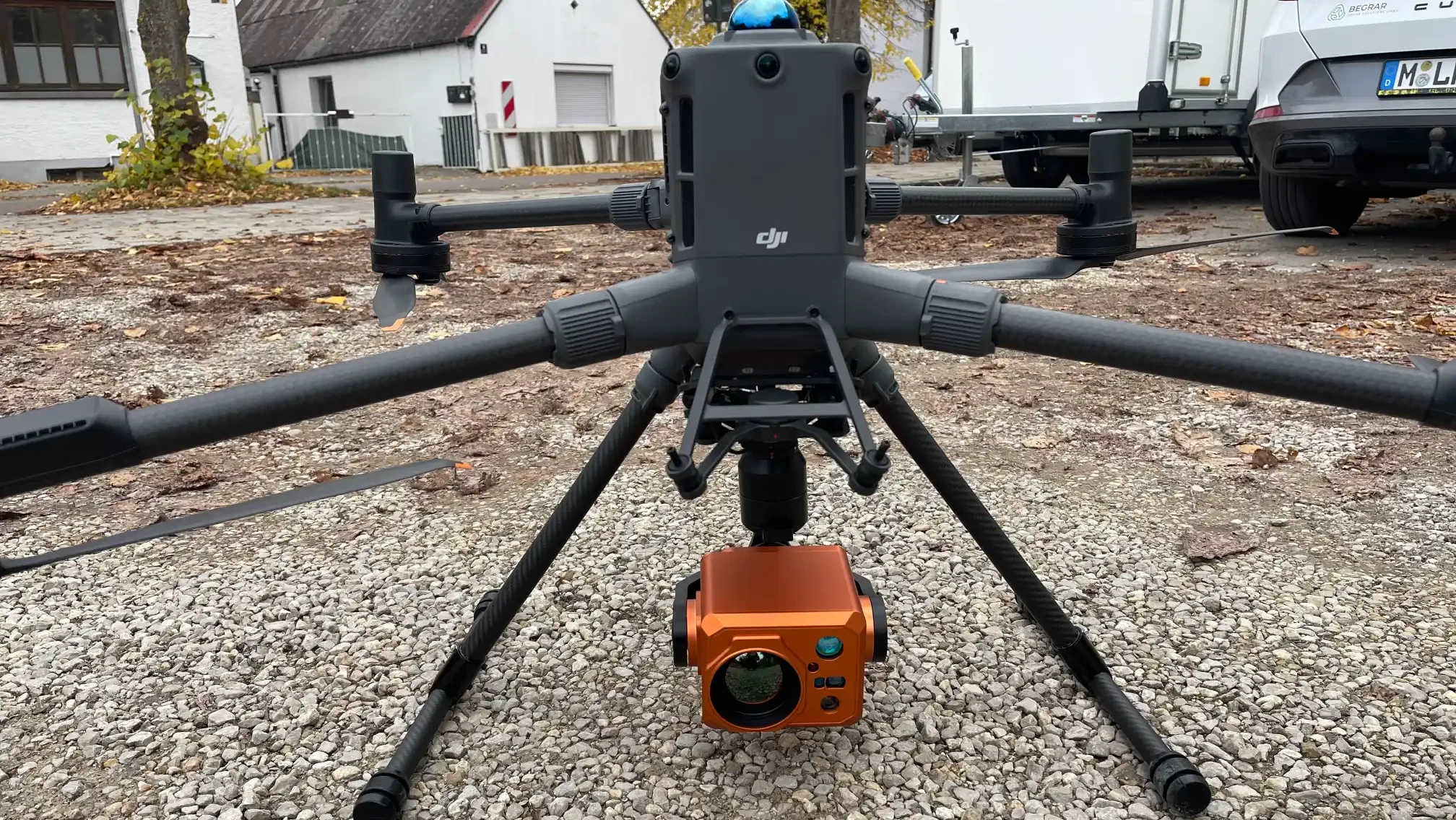
The GasVision-TD1 brings gas visualization and methane measurement into a single aerial inspection system. OGI makes gas plumes visible, while TDLAS provides methane column concentration readings to support leak assessment. Integrated with DJI Matrice 400, it enables remote inspections of storage tanks, valves, flanges, and process equipment. Multi-gas imaging, intelligent gas colorization, and enhanced visualization help operators observe gas movement against complex industrial backgrounds and identify areas for follow-up checks.
OGI + TDLAS Dual-Mode Detection
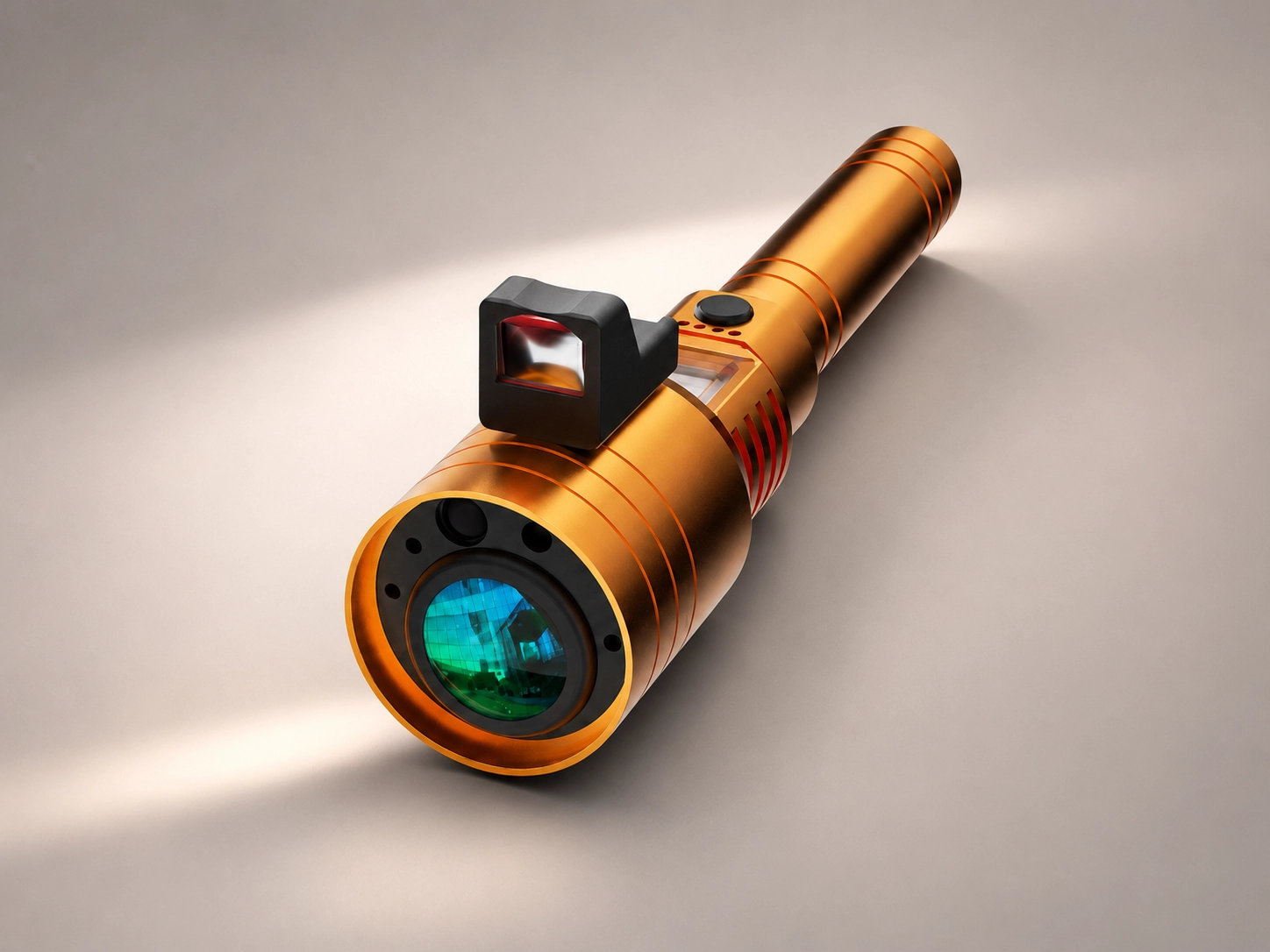
GasVision-TD1 combines gas visualization and methane measurement in one system. OGI reveals gas plumes, while TDLAS measures methane column concentration, providing complementary information for leak inspection and field verification.
Intelligent Gas Colorization
Gas colorization highlights gas plumes against the background, making their location, shape and movement easier to follow. The color overlay helps operators distinguish gas activity from surrounding equipment and structures.
Multi-Gas Detection
The OGI module supports imaging of multiple gases, including methane, propane, butane and a range of volatile organic compounds (VOCs). This enables the system to handle diverse gas inspection tasks across oil and gas facilities, petrochemical plants and other industrial sites.
Detectable Gases
Methane, hydrocarbon gases and selected VOCs.
Methane
Propane
Butane
View full gas list Hide full gas list
- CH4
- C2H6
- C4H10
- C3H8
- C8H18
- C5H12
- C6H12O
- C7H16
- C6H14
- C2H4
- C3H6
- C6H6
- C7H8
- C8H10 Ethylbenzene
- C8H10 Xylene
- C2H6O
- CH4O
- C5H8
- C4H8O
- C5H10
And other VOCs
Enhanced Gas Visualization
Gas enhancement modes emphasize plume details, improving the visibility of gas against complex backgrounds. Operators can select a suitable display mode to examine gas activity more clearly during an inspection.
Automatic Gain Contral (AGC) Modes
Automatic gain control adjusts the thermal image's tonal range and contrast to suit different scenes.
- Long Range
- Sunny
- Shaded
- Cloudy
- High Gas Sensitivity
Selectable AGC modes help balance image detail and readability as background conditions change.
OGI Module
| Detector Type: HOT MWIR Focal Plane Array (FPA) |
| Pixel Pitch: 30μm |
| F-number: F1.2 |
| Frame Rate: 50Hz |
| NETD: ≤12mK@25℃ |
| Image Controls & Processing: Auto / Manual |
| Working Temperature: -40℃ to 60℃ |
| Color Palettes:8 Selectable Modes |
| Analog Video Output: PAL |
| Digital Video Output: Camera Link |
| Lens: 50mm Lens |
| MTTF: 20000h@25℃ |
| Digital Zoom: 8X |
| Resolution Ratio: 320 x 256 |
| Refrigeration Time: ≤3.5mins@25℃ |
| Power Supply Range: DC 12V±0.5V |
| Power Consumption@25℃:Stable power consumption≤8W; Maximum power consumption≤14W |
TDLAS Module
| Target Gas(es): Methane |
| Sensitivity: 5ppm·m |
| Concentration Range: 40 ~ 99,999ppm·m |
| Detection Distance: 70m (Test Conditions: 30% diffuse reflectivity target,;10,000 ppm·m methane concentration, static level detection) |
| Infrared Detection Laser: Class 3R (Avoid direct eye exposure) |
| Wavelength: 1.65μm, <25mW |
| Discrepancy: ±10% (If the concentration ranges 100 ~ 50,000) |
Detector
| Size: 189*168*214mm (With gimbal) |
| Weight: 1900g |
| IP Rating: IP54 |
| RGB Camera: 13MP |
GasVision-TD1 combines two complementary gas detection technologies:
- OGI: Visualizes gas plumes and helps locate potential leak sources.
- TDLAS: Measures path-integrated methane concentration along the laser beam, expressed in ppm·m.
Together, they provide both gas imagery and quantitative methane measurements. Path-integrated concentration is different from point concentration and does not directly indicate a leak rate.
Yes. OGI can visualize gas plumes that are invisible to the naked eye. It uses the absorption and emission characteristics of gases within specific infrared bands to capture the infrared contrast between a gas plume and its background.
The detectable gases depend on the system’s spectral range and optical configuration. OGI systems designed for methane and hydrocarbon detection can visualize gases such as methane, propane, and butane. Supported gases should be checked against the manufacturer’s gas compatibility list for the specific model.
Conventional OGI primarily visualizes gas plumes and helps locate leaks; it does not directly measure leak rates. Some systems with dedicated quantification capabilities can estimate emission rates under specified conditions. Performance depends on the system’s capabilities, calibration, and field conditions.
Not necessarily. Higher resolution can provide more image detail, but gas detection performance also depends on detector sensitivity, optics, spectral configuration, and field conditions. Resolution alone does not determine overall performance.
All else being equal, a lower f-number allows more infrared radiation to reach the detector, helping improve weak-signal imaging. Actual performance also depends on the detector, spectral filter, and lens transmission.
A 50 Hz frame rate means the image updates 50 times per second, providing a smoother view of gas plume movement. During drone inspections, image clarity also depends on exposure time, flight speed, and platform stability.
NETD stands for Noise Equivalent Temperature Difference. It measures a system’s ability to distinguish small temperature differences. Under the same test conditions, a lower NETD generally indicates higher thermal sensitivity. However, NETD alone does not determine the gas detection limit or overall gas imaging performance.