



BL-CH4 400 Successfully Completed Extreme Cold Weather Methane Detection Testing at Valdez Oil Terminal, Alaska
Extreme-environment safety inspection has become an increasingly important challenge for the global oil & gas industry.
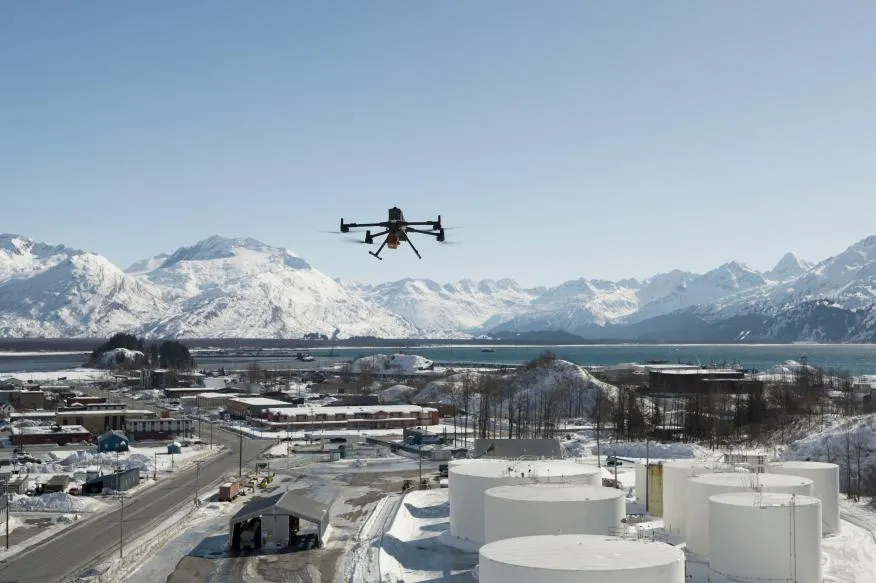
Located in Alaska, USA, the Valdez Petroleum Terminal serves as the southern terminal of the Trans-Alaska Pipeline System (TAPS) and is one of the world’s major large-scale oil storage and transportation facilities.
The site operates under highly demanding conditions, including:
- Extreme low temperatures
- Strong coastal winds and turbulent airflow
- Large-scale storage tanks and pipeline infrastructure
- Strict environmental and safety requirements
Under such conditions, traditional manual inspection methods and conventional detection equipment often face limitations in efficiency, environmental adaptability, and data stability.
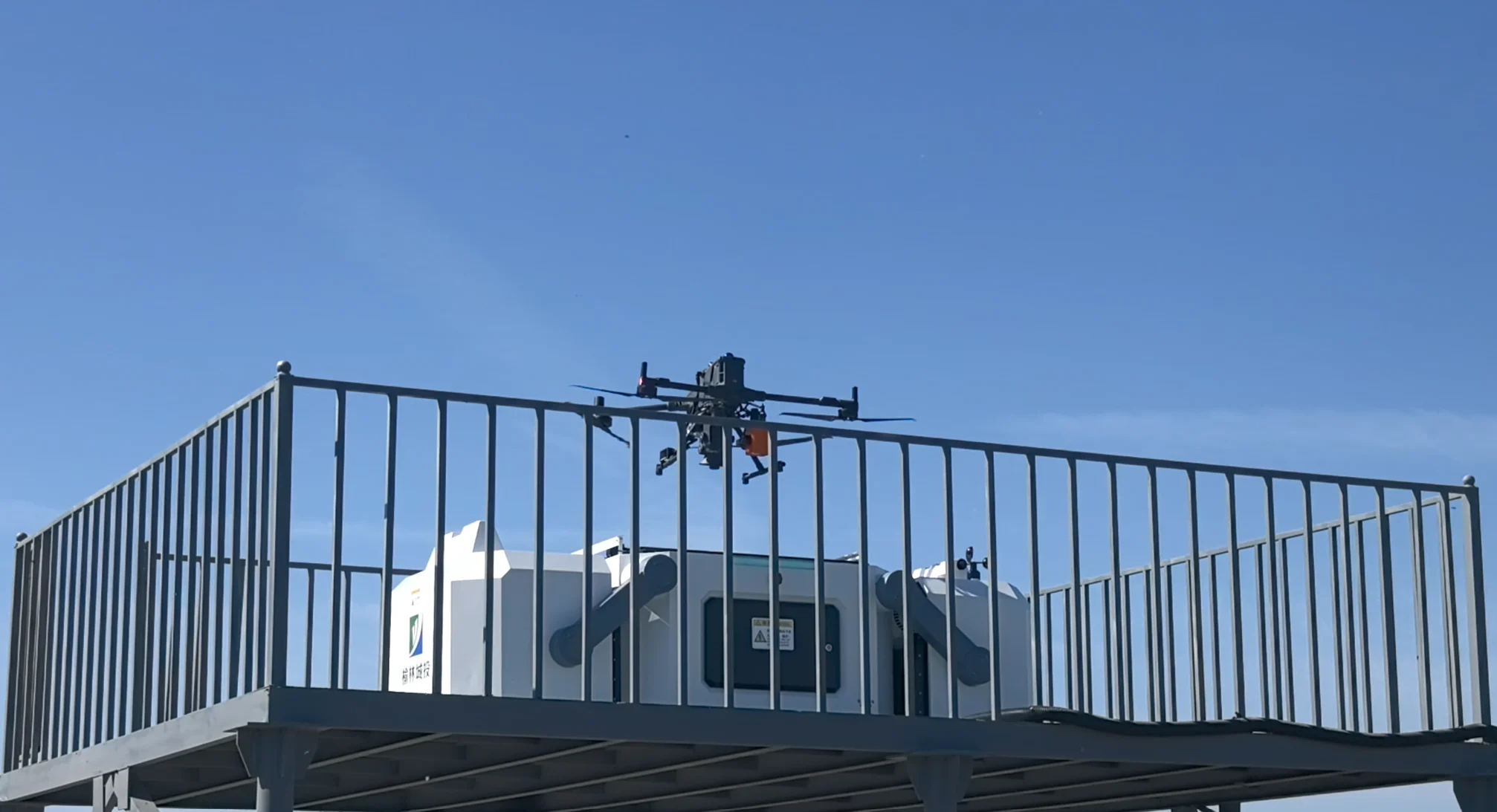
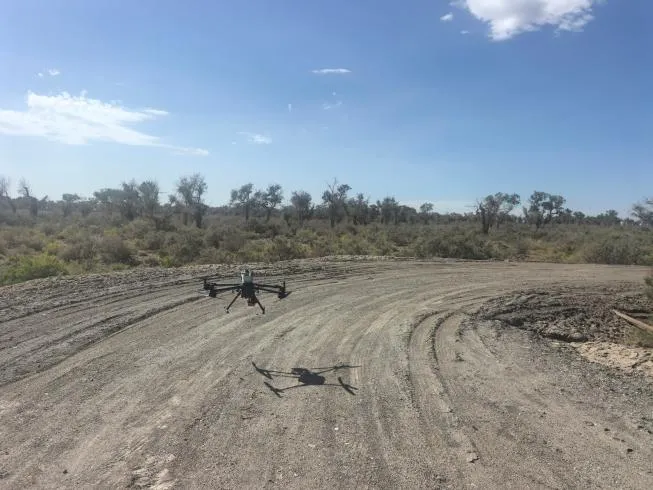
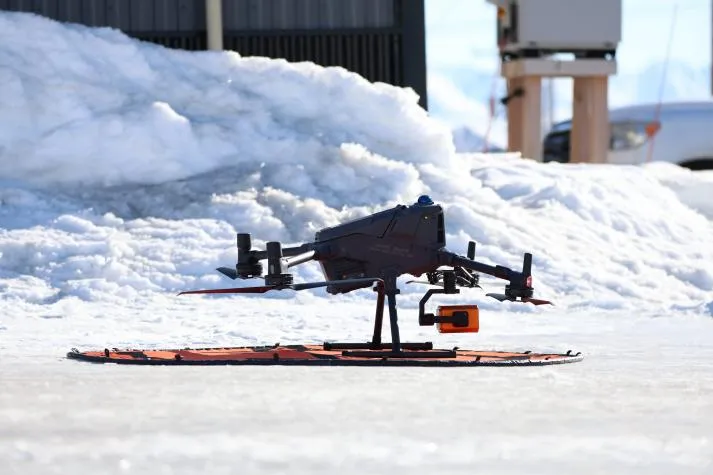
To validate the real-world performance of UAV-based laser methane detection technology under extreme operating conditions, BLV Technology conducted on-site flight testing at the Valdez Oil Terminal using the BL-CH4 400 UAV-mounted laser methane detector.
Solution Overview
UAV Inspection System
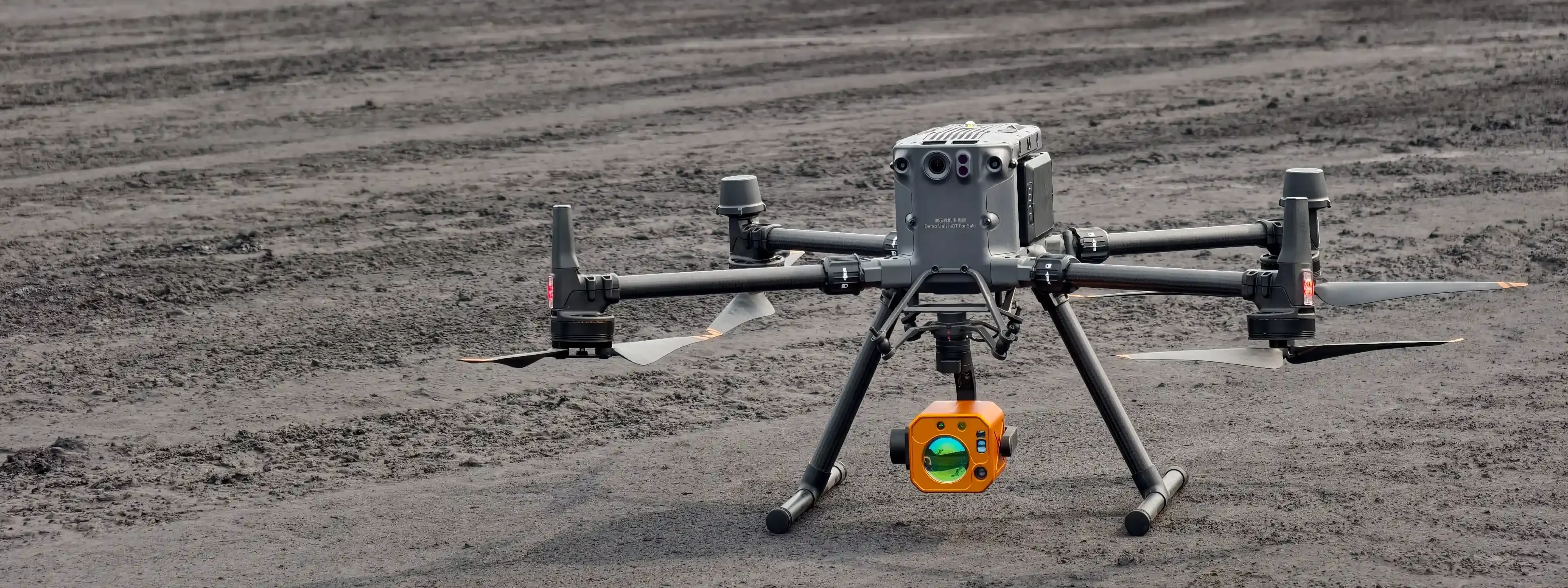
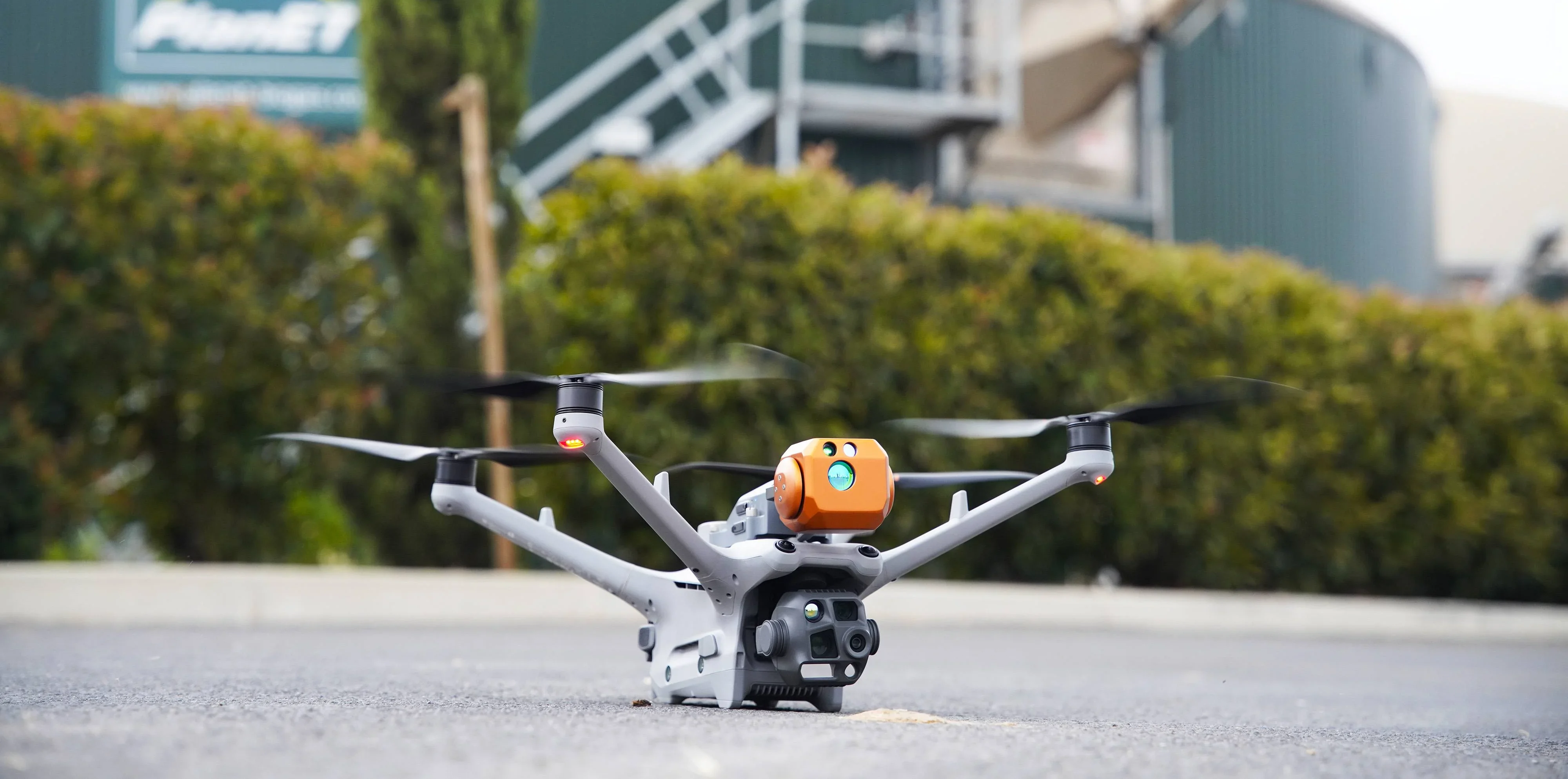
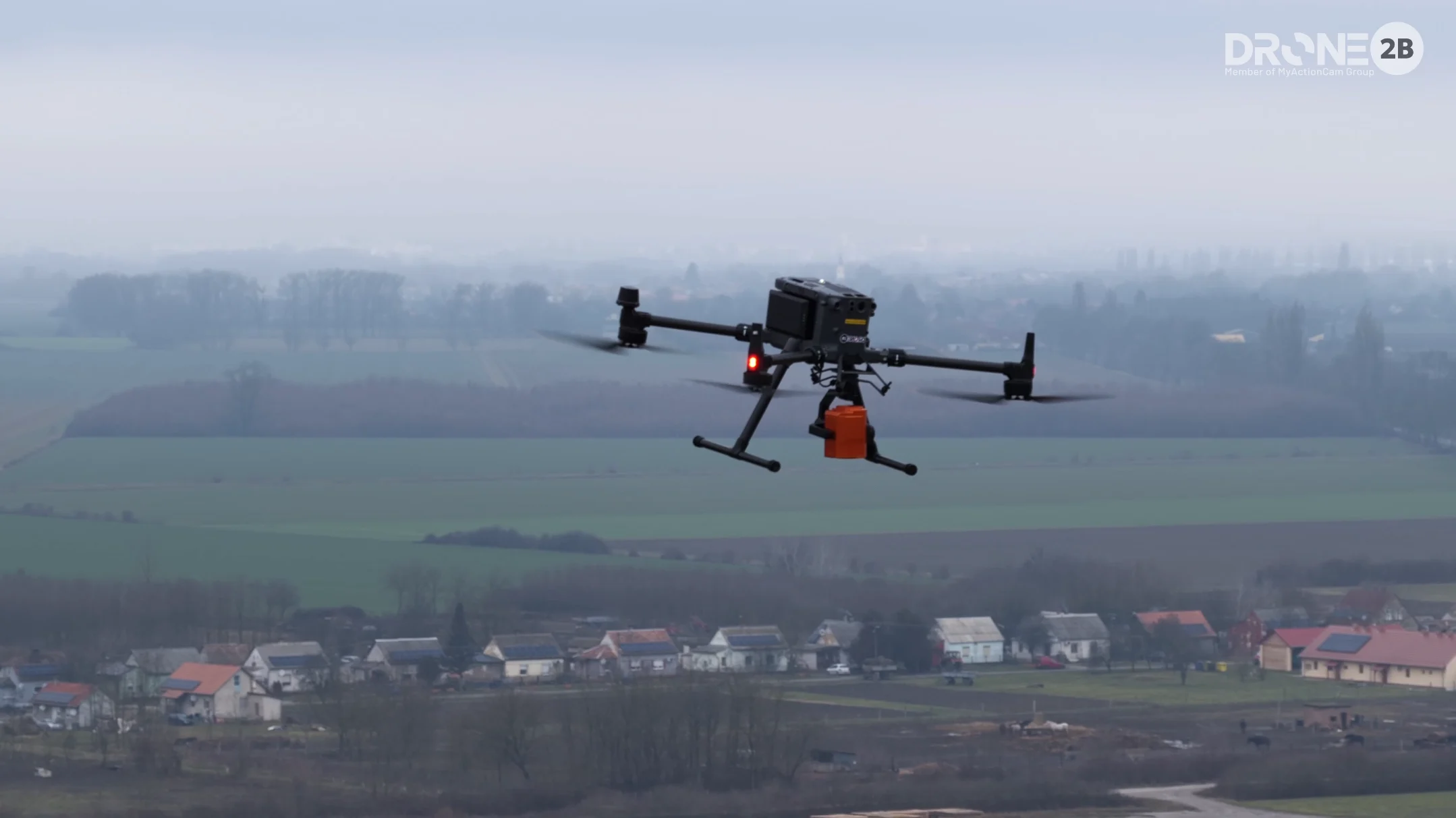
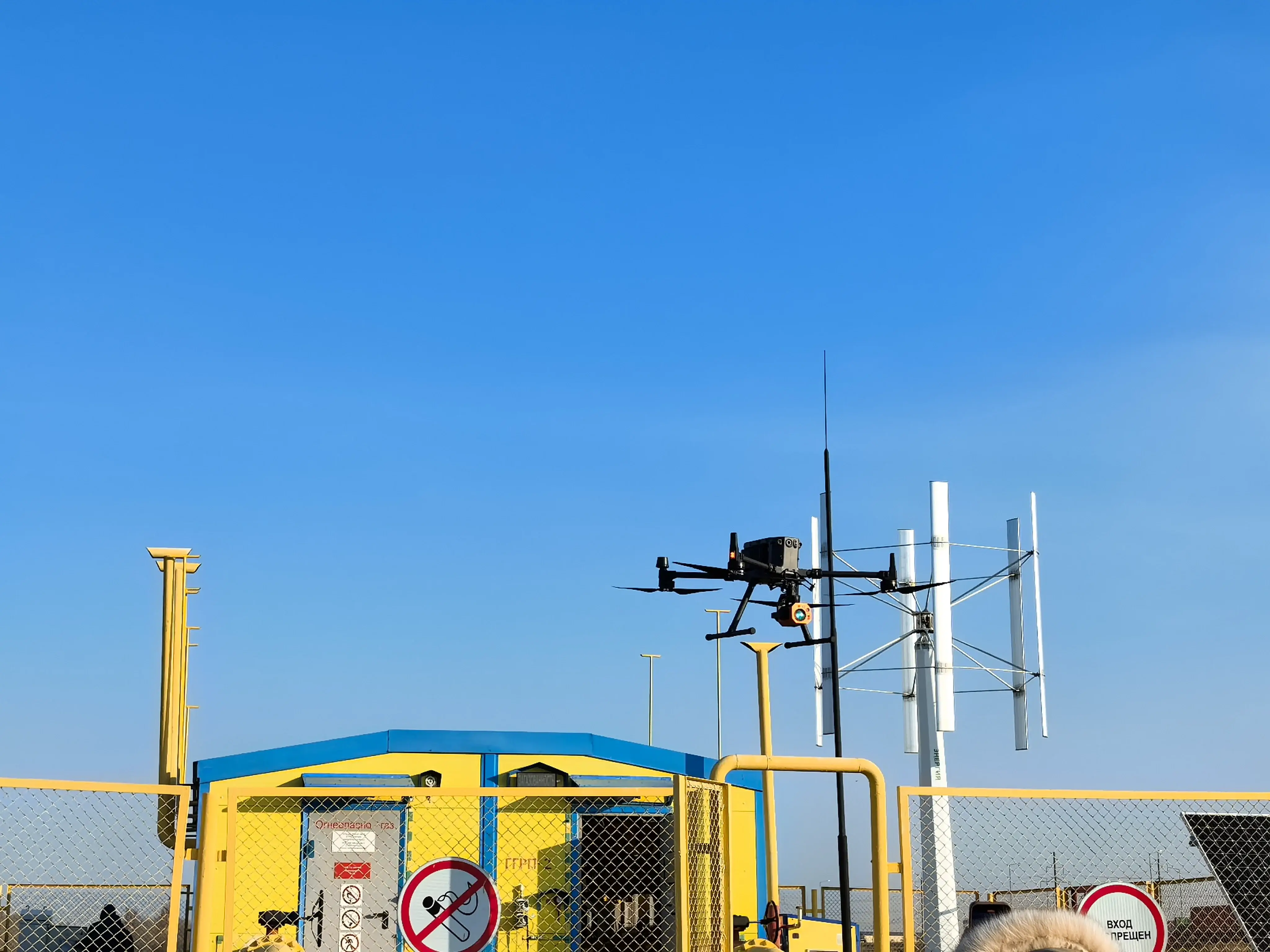
The testing system consisted of:
- DJI industrial drone platform
- BL-CH4 400 UAV-mounted laser methane detector
The system is based on TDLAS (Tunable Diode Laser Absorption Spectroscopy) technology for long-range, non-contact methane detection.
Key Capabilities
The system provides:
- Long-range methane concentration detection
- Millisecond-level response speed
- Wide-area dynamic scanning
- Real-time data transmission
- Methane distribution visualization
- Autonomous UAV inspection capability
Project Implementation
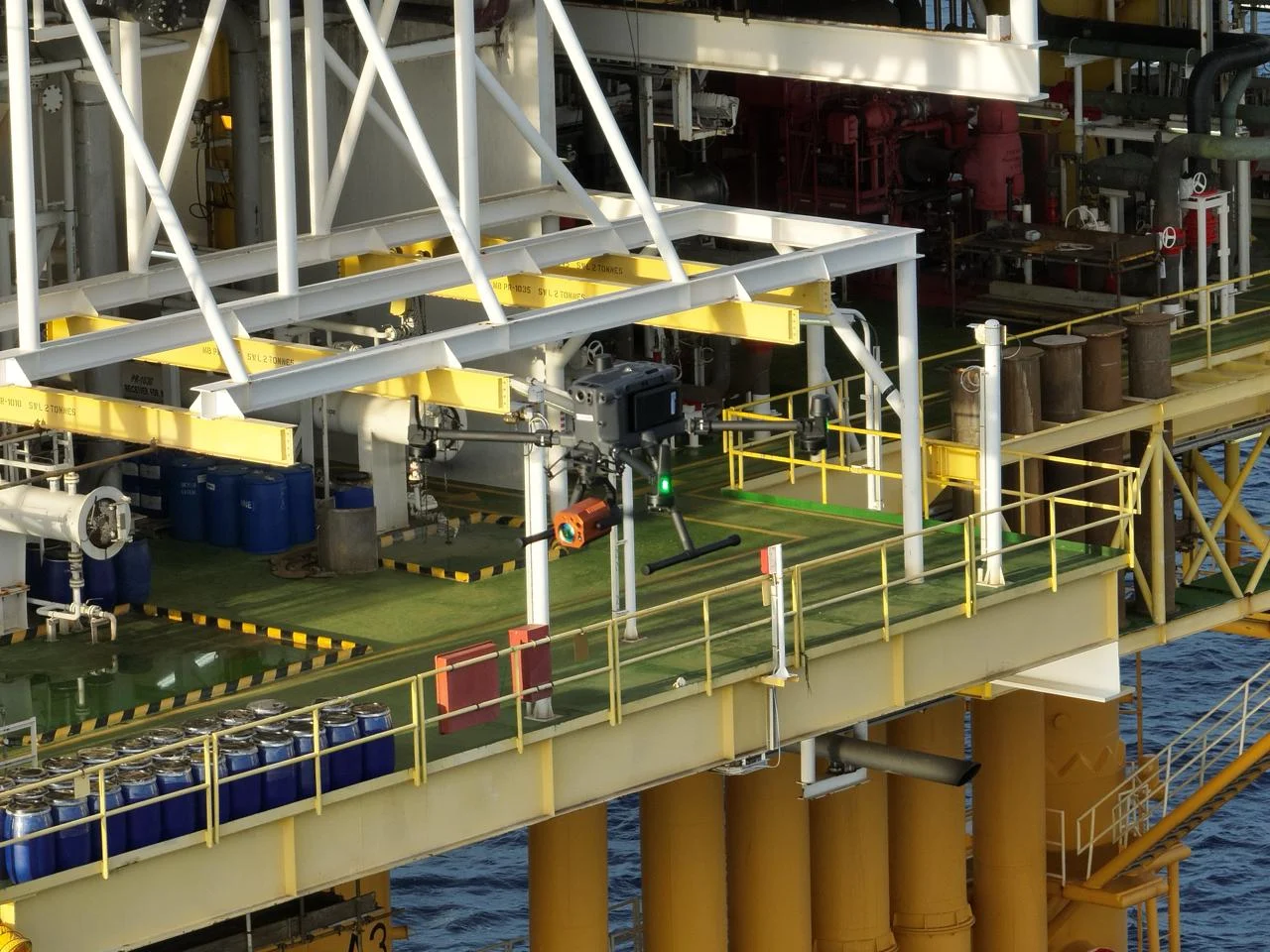
During the testing process, the UAV conducted inspection flights across multiple critical areas of the Valdez terminal, including:
- Storage tank zones
- Pipeline corridors
- Loading terminal areas
- Multi-route facility coverage
Throughout the flights, the BL-CH4 400 continuously scanned methane concentrations and transmitted real-time gas distribution data.
The testing focused on validating:
- System stability under extreme cold conditions
- Data reliability in strong wind environments
- Coverage capability across ultra-large facilities
- Sensitivity for low-concentration methane detection
Test Results
Successful Flight Operations in Extreme Conditions
The system maintained stable operation under low temperatures, strong winds, and complex coastal airflow conditions, successfully completing multiple flight missions.
Detection of Real-World Methane Background Distribution
Test results showed methane concentration signals ranging from approximately 30–206 ppm·m across multiple terminal areas.
According to the project team, these low-concentration and broadly distributed methane signals represent a typical background gas distribution pattern commonly found in large oil & gas terminals, rather than concentrated major leaks.
Possible sources include:
- Minor valve seepage
- Flange connection emissions
- Storage tank breathing losses
- Loading operation vapor emissions
Additionally, strong winds and turbulence in the Valdez environment rapidly diluted gas concentrations, resulting in relatively uniform low-level methane distribution.
Validation of Low-Concentration Detection Capability
The system successfully identified stable methane signals ranging from tens to hundreds of ppm·m, demonstrating the high sensitivity and strong signal-to-noise performance of TDLAS laser remote sensing technology in complex environments.
Project Value
Supporting Methane Baseline Mapping
Beyond equipment validation, the project demonstrated the practical capability of establishing methane baseline mapping for large industrial facilities.
Through continuous monitoring and long-term data collection, the system can support:
- Abnormal trend identification
- Early leak risk warning
- Emission trend analysis
- Advanced environmental compliance management
Proven Extreme-Environment Deployment Capability
Alaska’s harsh environment places significant demands on:
- Optical system stability
- UAV platform reliability
- Temperature adaptability
The successful testing verified the industrial-grade field deployment capability of the system.
Enabling Smarter Safety Management
By combining UAV platforms with laser methane remote sensing technology, the solution enables:
- Higher-frequency inspections
- Wider-area coverage
- Reduced personnel exposure
- More efficient data management
This supports the oil & gas industry’s transition from reactive response toward proactive risk prevention.
Conclusion
The Valdez Oil Terminal field testing in Alaska successfully demonstrated the real-world capability of the BL-CH4 400 in extreme environmental conditions.
By integrating UAV platforms with high-precision TDLAS laser methane sensing technology, BLV Technology provides the global energy industry with a smarter, safer, and more efficient methane monitoring solution.
The solution is expected to see broader deployment across extreme-climate, high-risk, and complex industrial environments worldwide.