




UAV-Based TDLAS Methane Detection for Offshore Oil & Gas Platform in Thailand
Offshore oil and gas platforms are complex, compact, and high-risk operating environments. Methane or natural gas leaks can lead to severe safety incidents, including explosions and toxic exposure. Traditional inspection methods often require personnel to climb elevated structures or enter confined spaces, creating significant operational risks while also being affected by harsh offshore weather conditions.
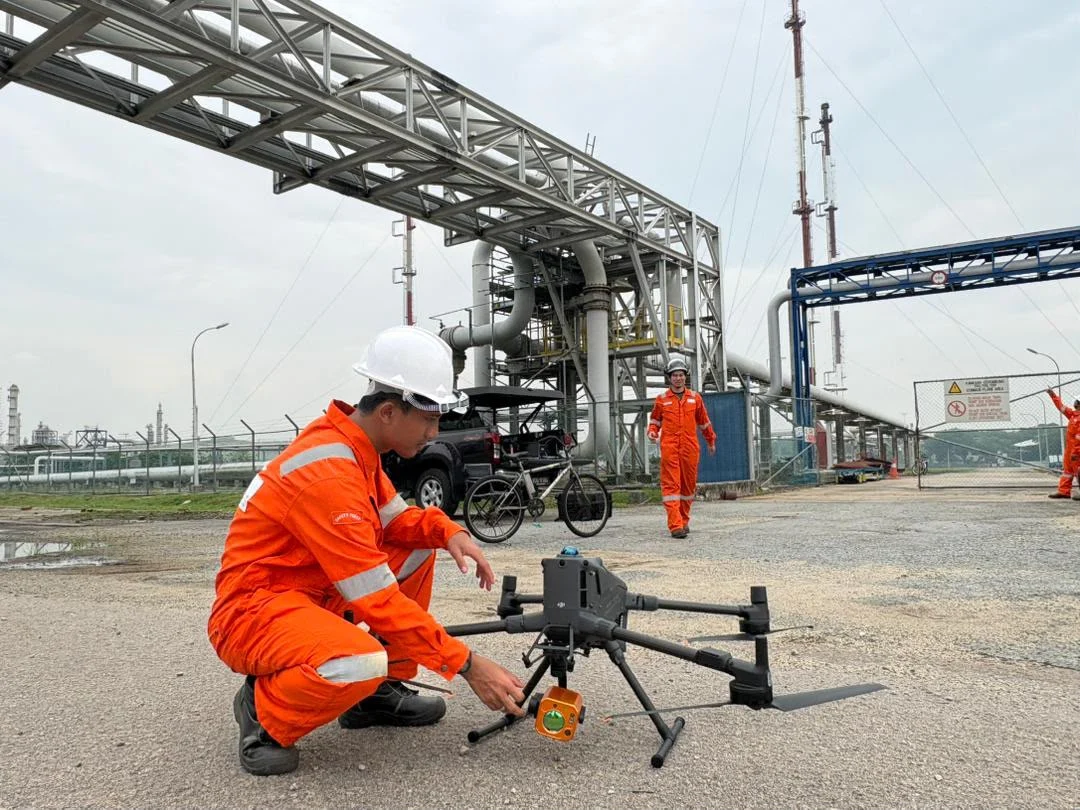
To improve the safety and efficiency of methane leak monitoring, the customer deployed a UAV-based methane inspection solution equipped with BLV ’s TDLAS laser methane detector, enabling long-range, non-contact, and high-precision gas leak detection on an offshore platform in Thailand.
Solution Overview
Flight Platform
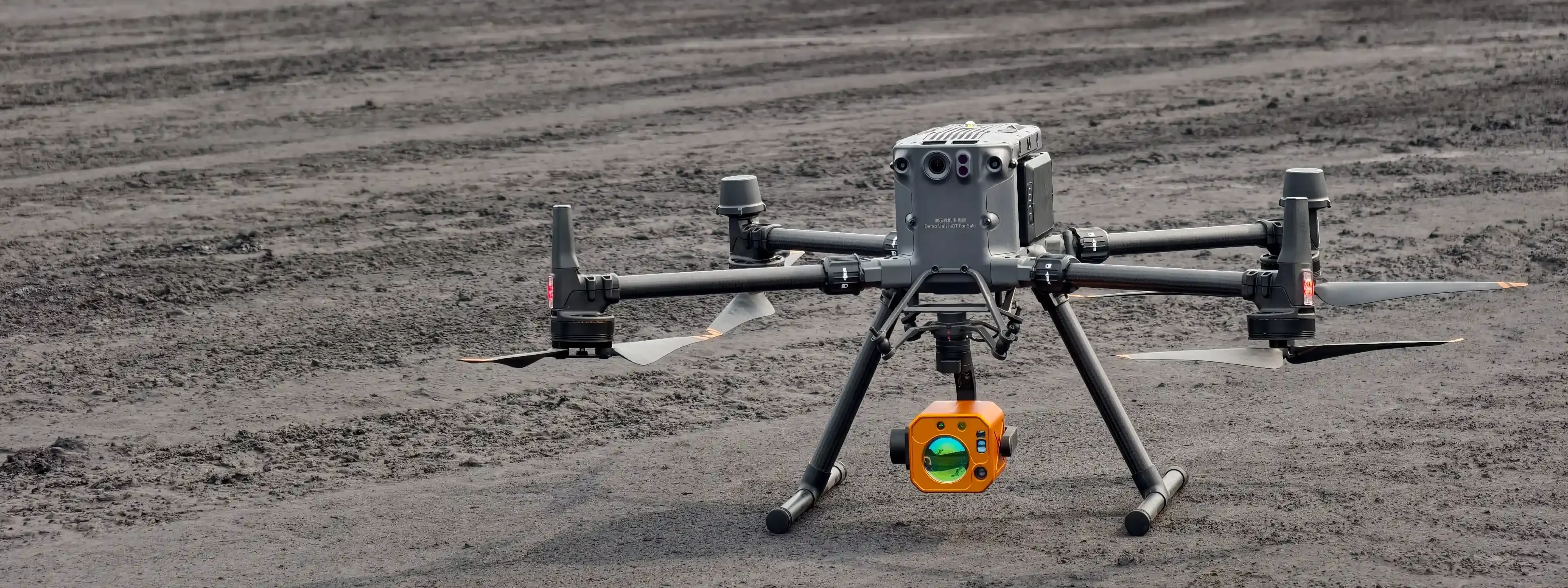
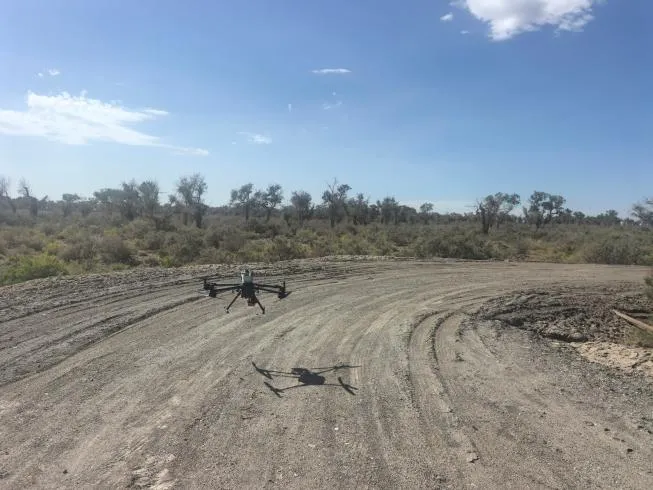
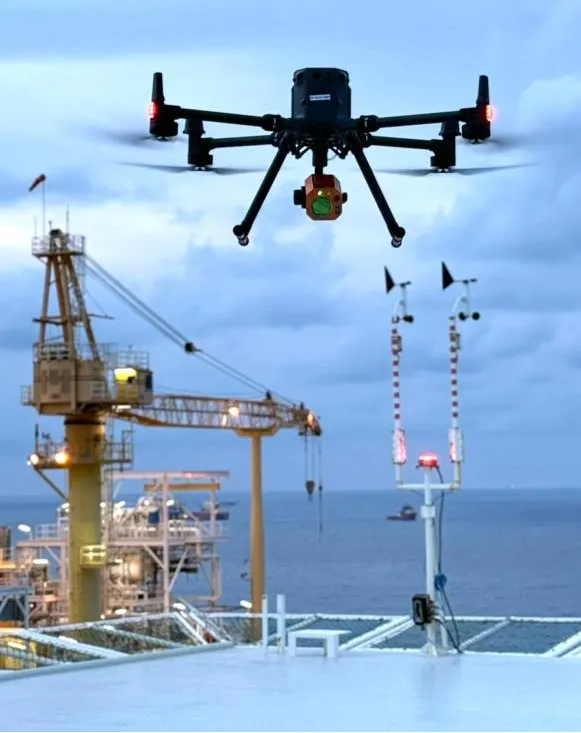
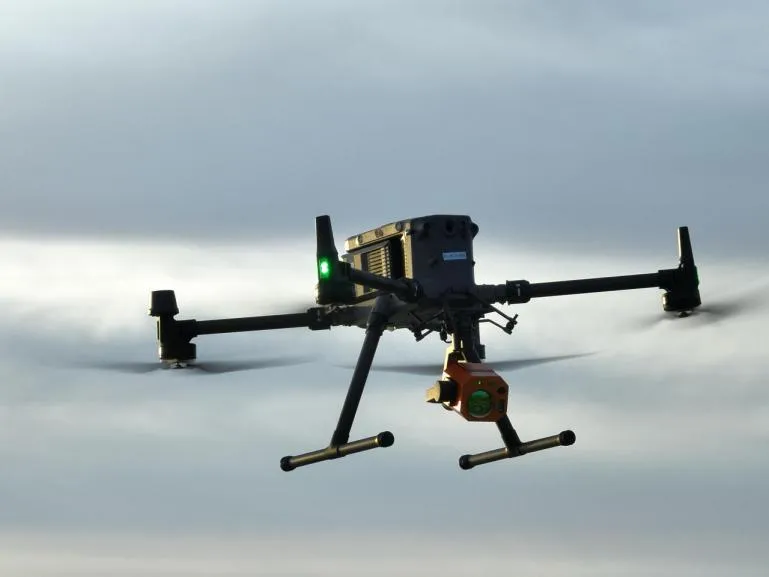
The system utilized the DJI Matrice 350 RTK enterprise drone platform, designed with strong wind resistance and stable flight performance suitable for offshore environments.
Detection Payload
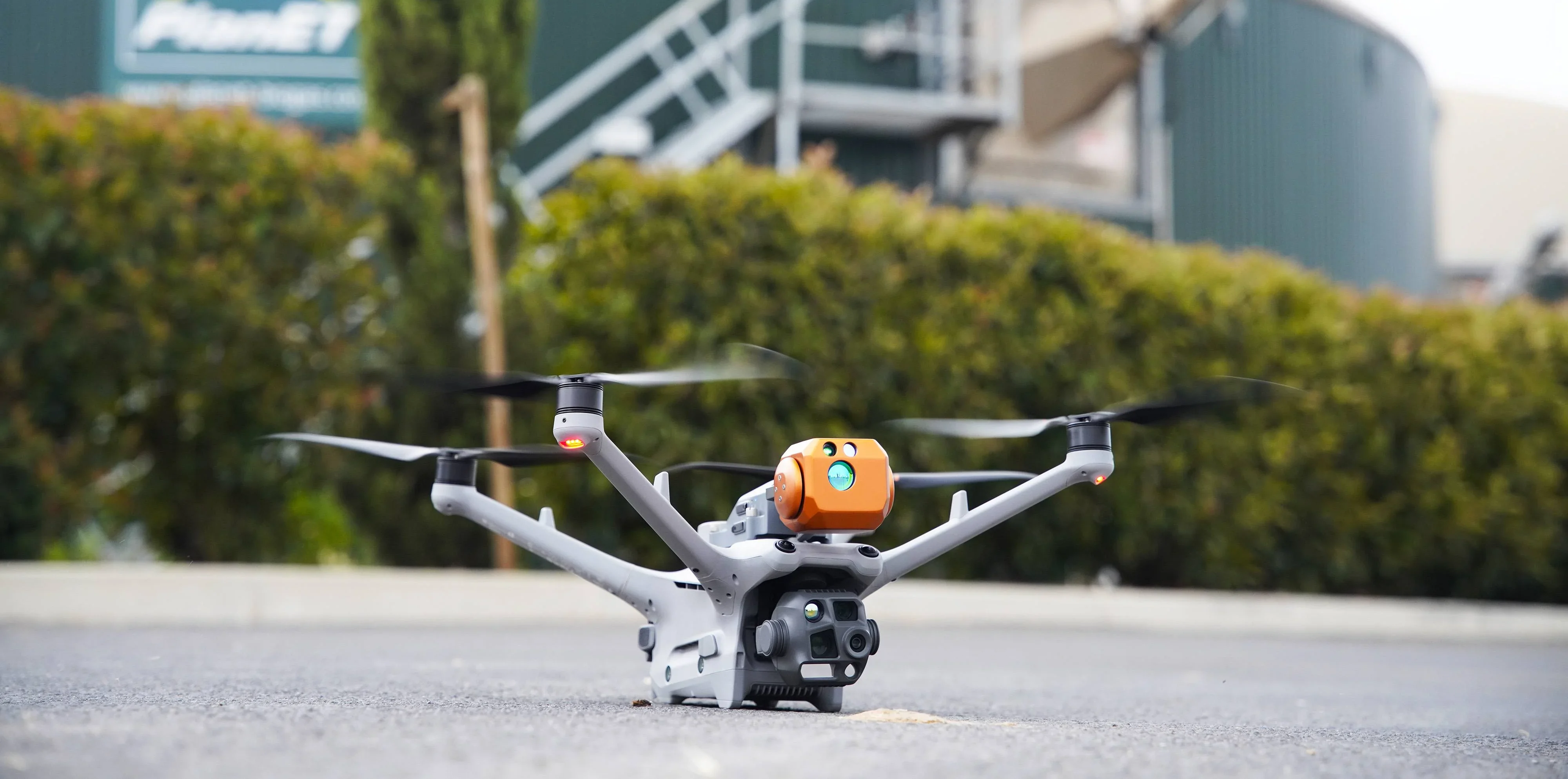
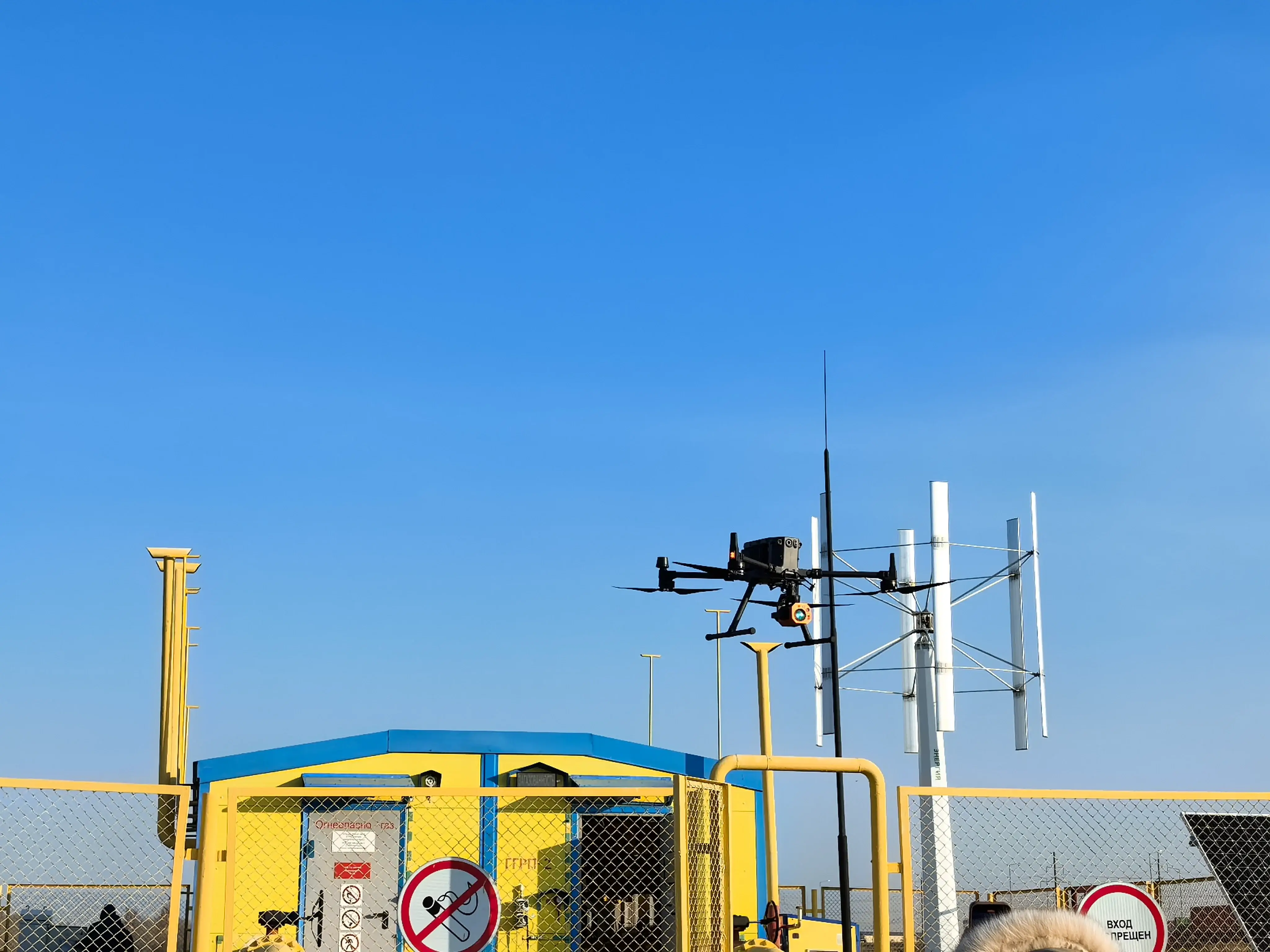
The drone was equipped with the BL-CH4 Laser Methane Detector developed by BLV Technology, based on TDLAS (Tunable Diode Laser Absorption Spectroscopy) technology.
Key capabilities include:
- Non-contact methane detection at distances up to 300 meters
- Millisecond-level response speed
- Real-time gas concentration monitoring
- Precise leak localization and visualization
Inspection Workflow
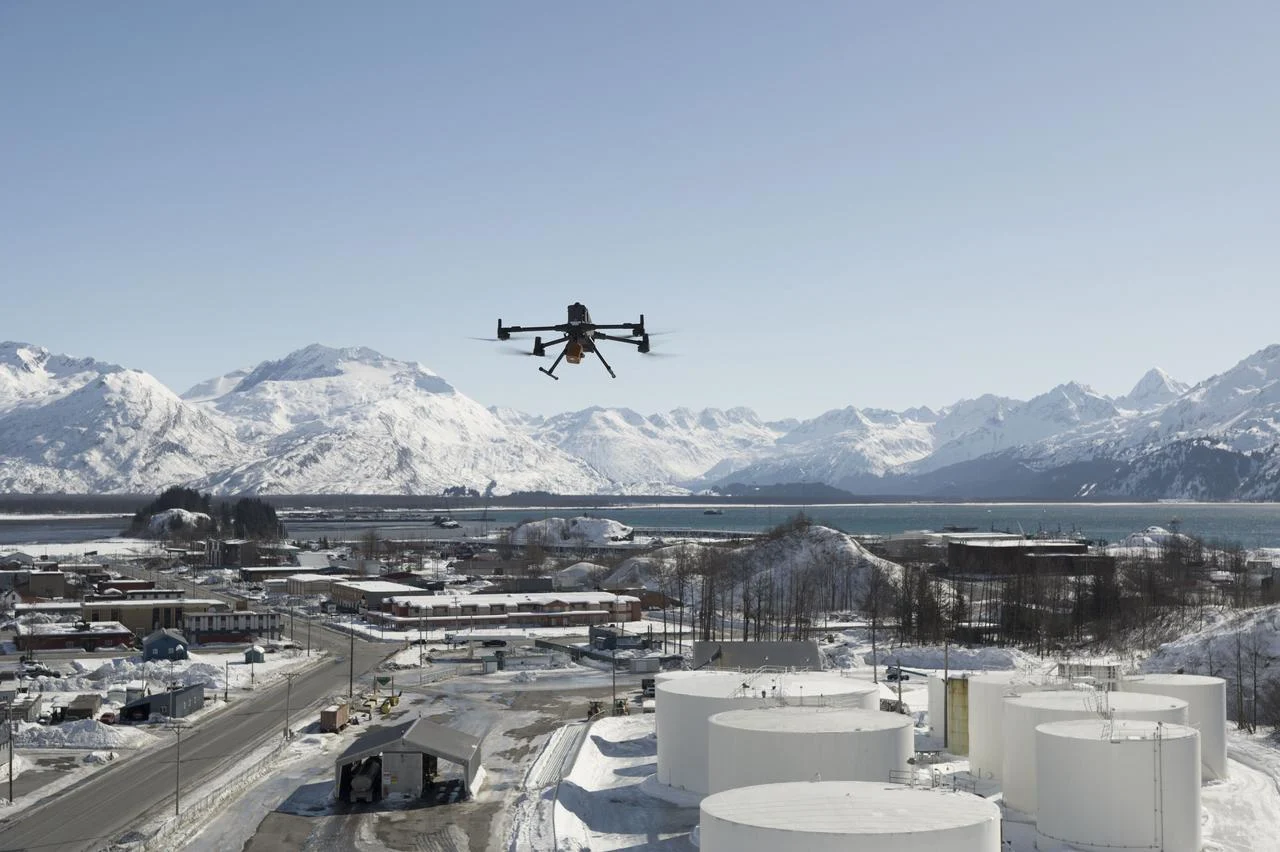
The UAV automatically performed a full-platform inspection following a predefined flight route:
- Autonomous flight and methane scanning around critical assets
- Real-time transmission of detection data to the ground control station
- Automatic generation of inspection reports containing leak locations, concentration data, and risk assessments
Implementation Process
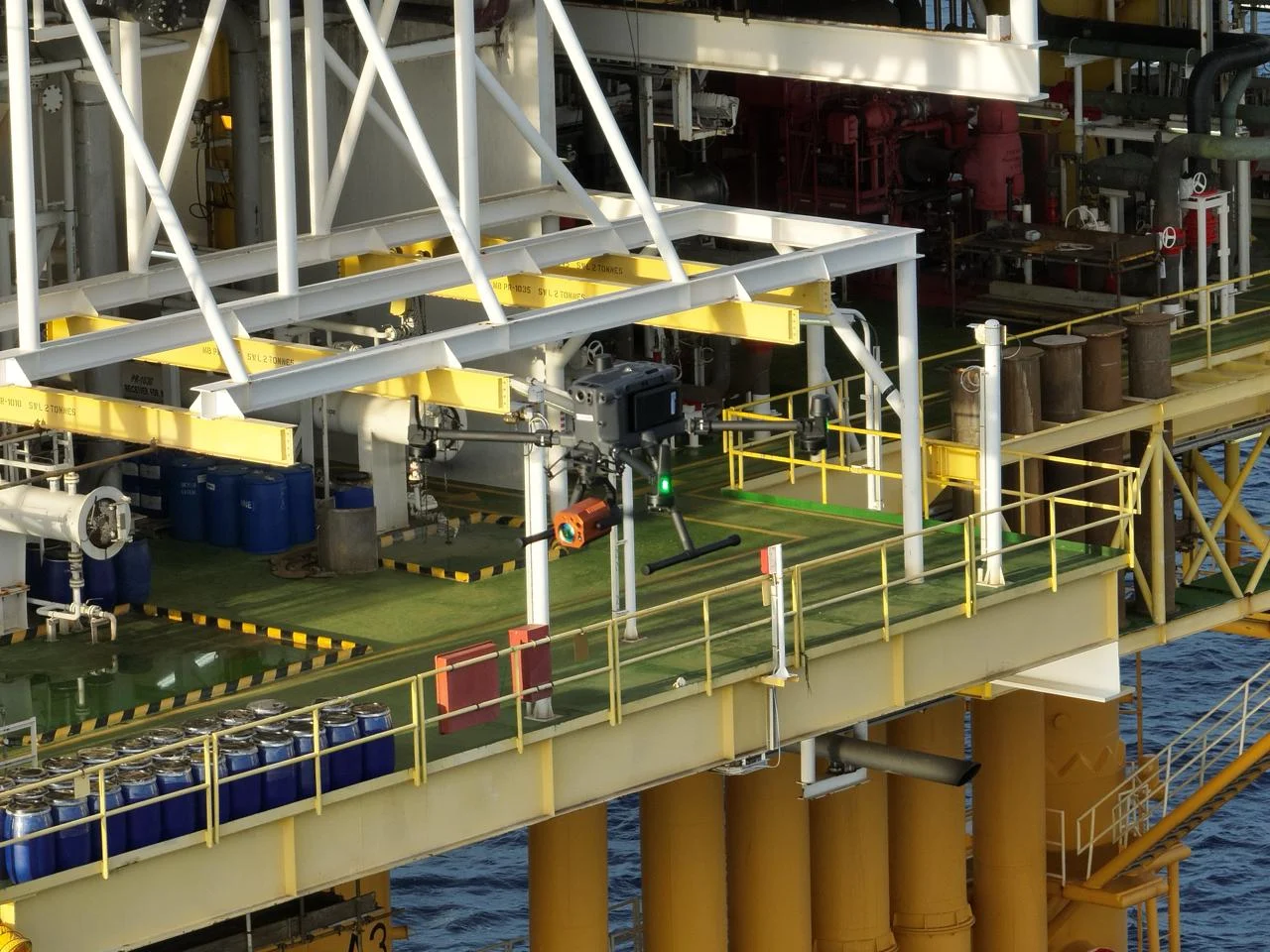
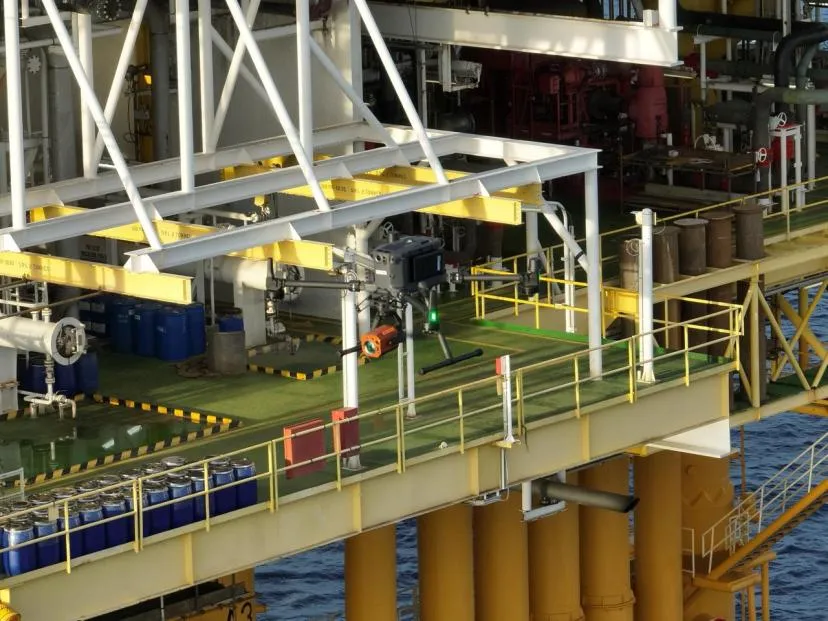
The drone launched directly from the offshore platform deck and conducted inspections along designated routes surrounding the platform structure and critical process areas.
Using the laser methane detector, the system scanned pipelines, valves, compressors, storage tanks, and other potential leakage points. During flight operations, methane concentration data was transmitted in real time to the control center, dynamically generating gas concentration trends and leak hotspot mapping.
After mission completion, the system automatically generated a detailed inspection report including:
- Leak coordinates
- Risk level classification
- Visualized inspection results
- Historical traceability for maintenance planning
Project Results
Improved Operational Safety
The solution significantly reduced the need for personnel to access hazardous areas, minimizing risks associated with working at height and in confined spaces.
Higher Inspection Efficiency
A full platform inspection could be completed within minutes, achieving several times the efficiency of conventional manual inspections.
Accurate Leak Identification
The system successfully detected low-concentration methane leaks and accurately pinpointed leakage sources, providing reliable guidance for maintenance teams.
Environmental Compliance Support
The project helped the operator comply with increasingly strict methane emission regulations while supporting low-carbon operational goals.
Reduced Operational Costs
By enabling faster inspections and early leak detection, the solution reduced unplanned shutdowns and maintenance costs while improving operational continuity.
Customer Feedback
The customer highly recognized the performance of the UAV-based methane inspection solution. Compared with traditional manual inspection methods, the system greatly reduced the need for high-risk inspection activities and significantly improved response efficiency for both routine maintenance and emergency situations.The deployment enhanced overall platform safety management while delivering more reliable and efficient methane leak monitoring capabilities.
Conclusion
This successful offshore deployment demonstrates the practical value of UAV-mounted TDLAS methane detection technology in complex oil and gas environments.
By combining unmanned aerial systems with high-precision laser methane sensing, BLV Technology provides a safer, smarter, and more efficient approach to gas leak monitoring for offshore energy facilities.
The solution is expected to see broader adoption across offshore and onshore industrial applications, supporting the oil and gas industry’s transition toward intelligent safety management and low-carbon operations.