



Project Background
PTT Global Chemical (PTTGC), a major petrochemical company in Thailand, operates industrial facilities where gas leak detection and routine equipment inspections are important aspects of operational safety.
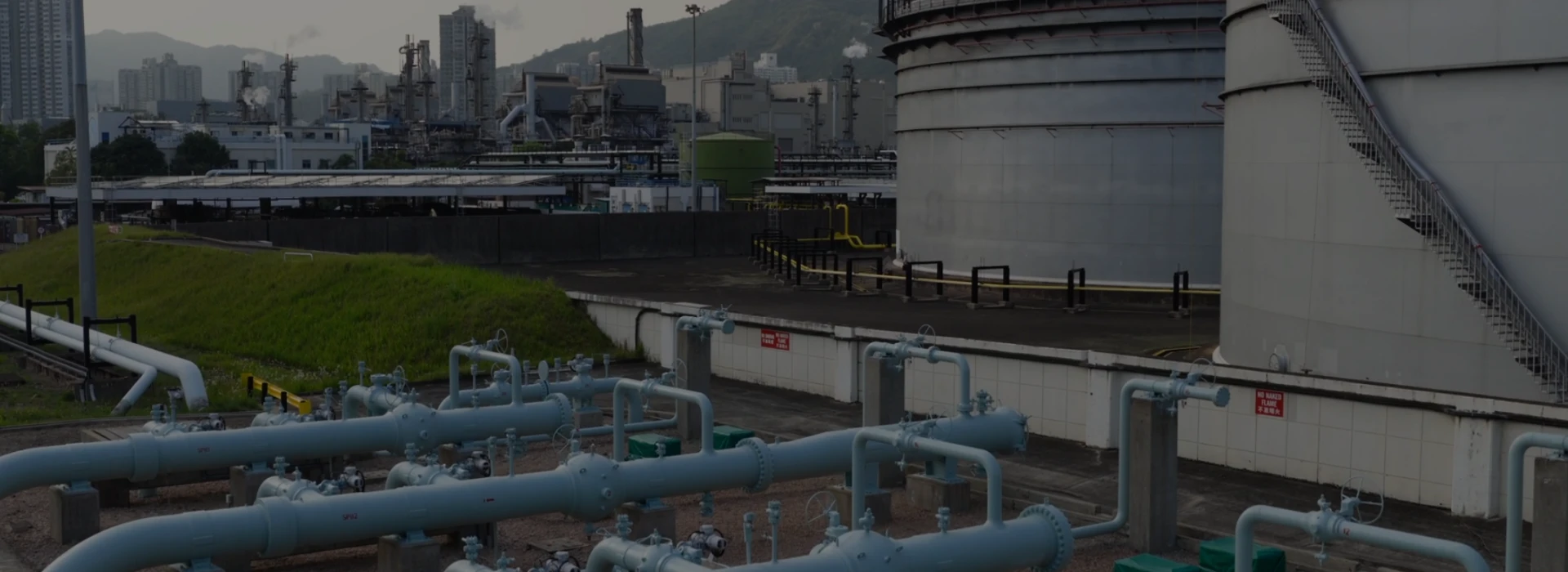
Floating-roof storage tanks present particular inspection challenges due to their large structures, elevated components, and potentially hazardous operating environments. Conventional inspection methods may require personnel to approach areas that are difficult to access or involve additional safety precautions.
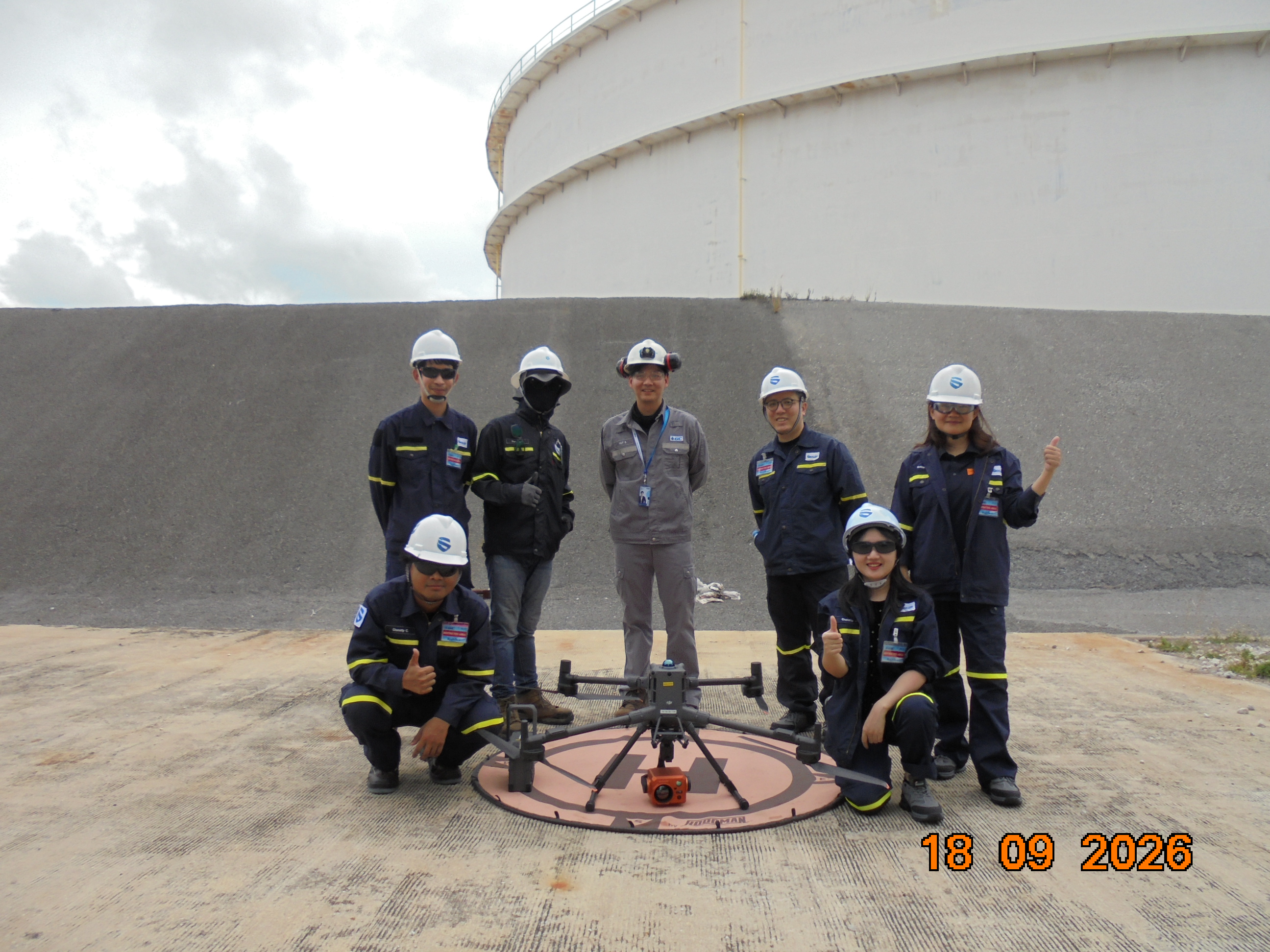
To evaluate the potential of drone-based optical gas imaging for industrial inspection, BLV Technology conducted an on-site field test of its GasVision-TD1 OGI + TDLAS Gas Detector at a PTTGC floating-roof storage tank facility.
The Challenge
Gas leak inspections at petrochemical storage facilities require reliable detection capabilities while minimizing unnecessary personnel exposure to potentially hazardous areas.
For floating-roof tanks, inspecting elevated structures and identifying potential gas emissions can be challenging using conventional methods alone.
The field test focused on evaluating whether drone-mounted optical gas imaging could provide clear gas plume visualization from a practical operating distance under actual industrial site conditions.
BLV Solution
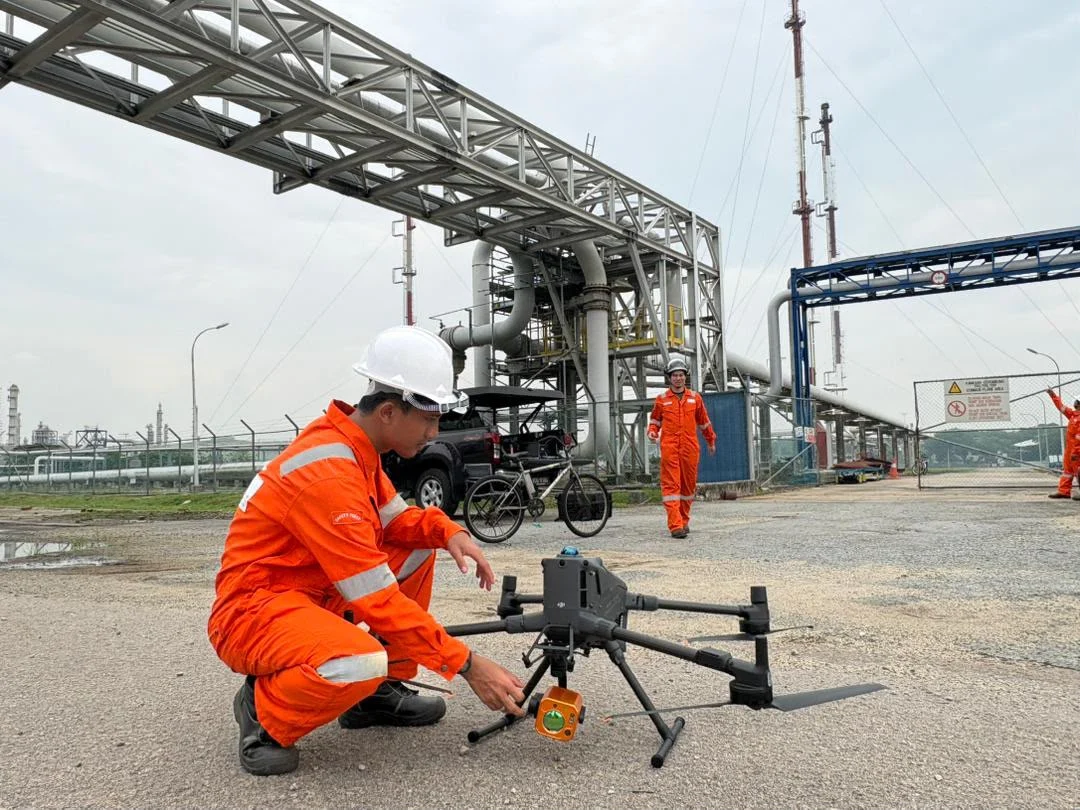
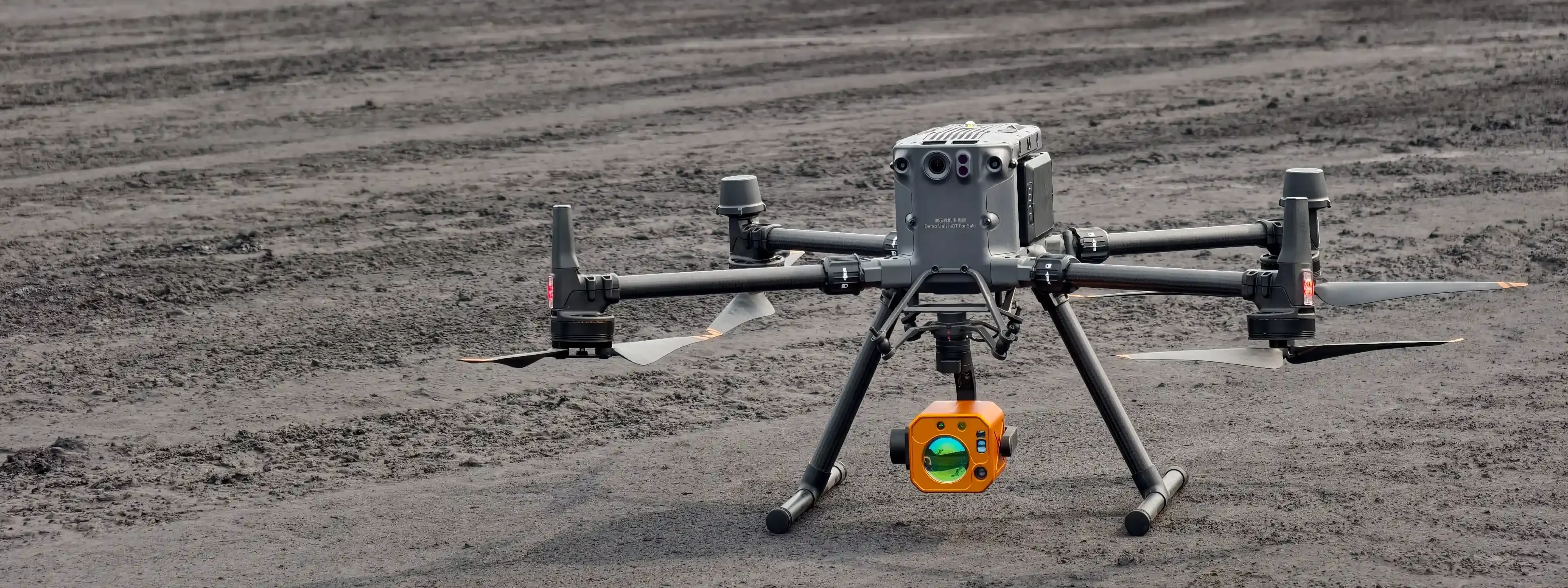
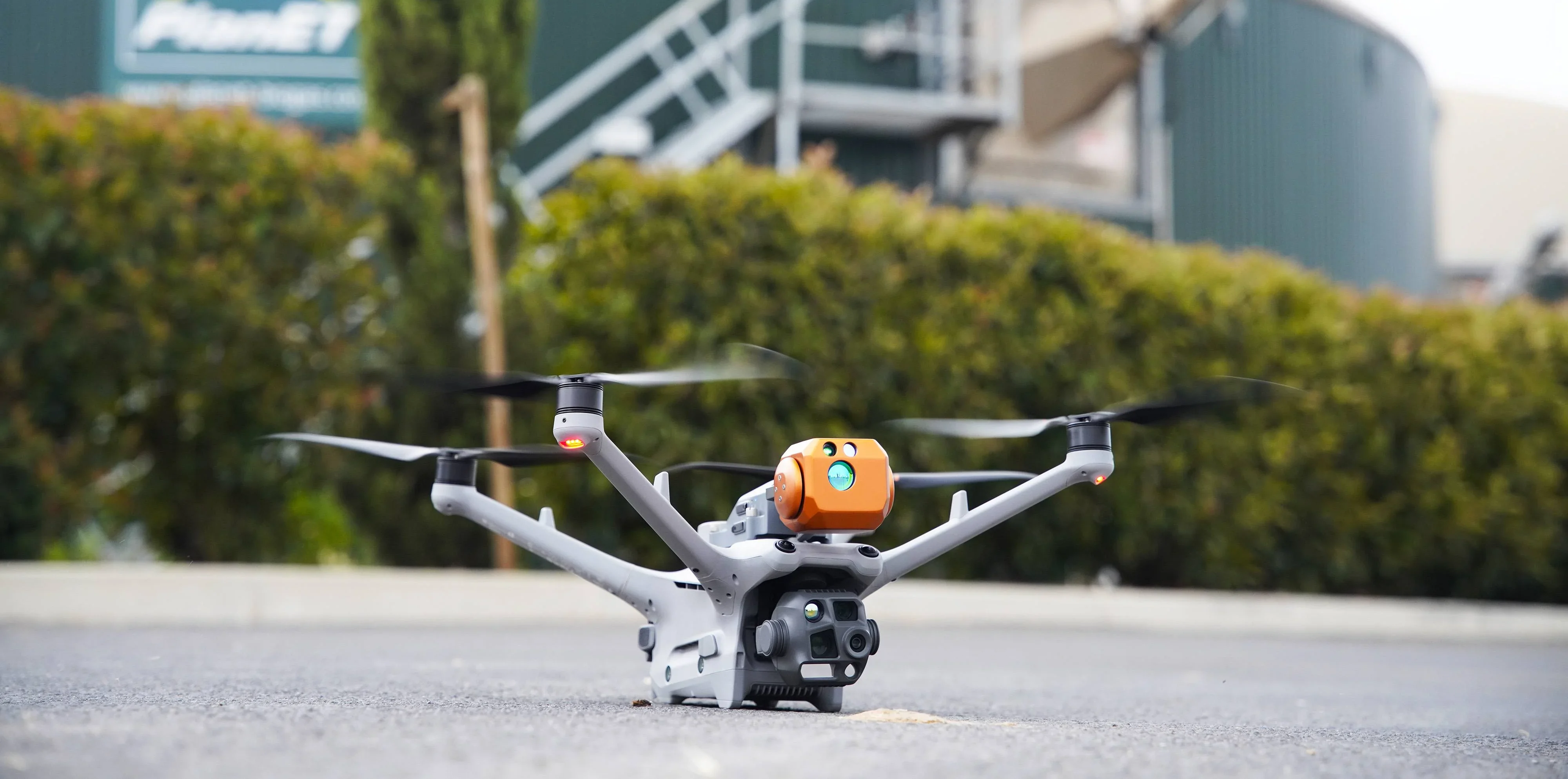
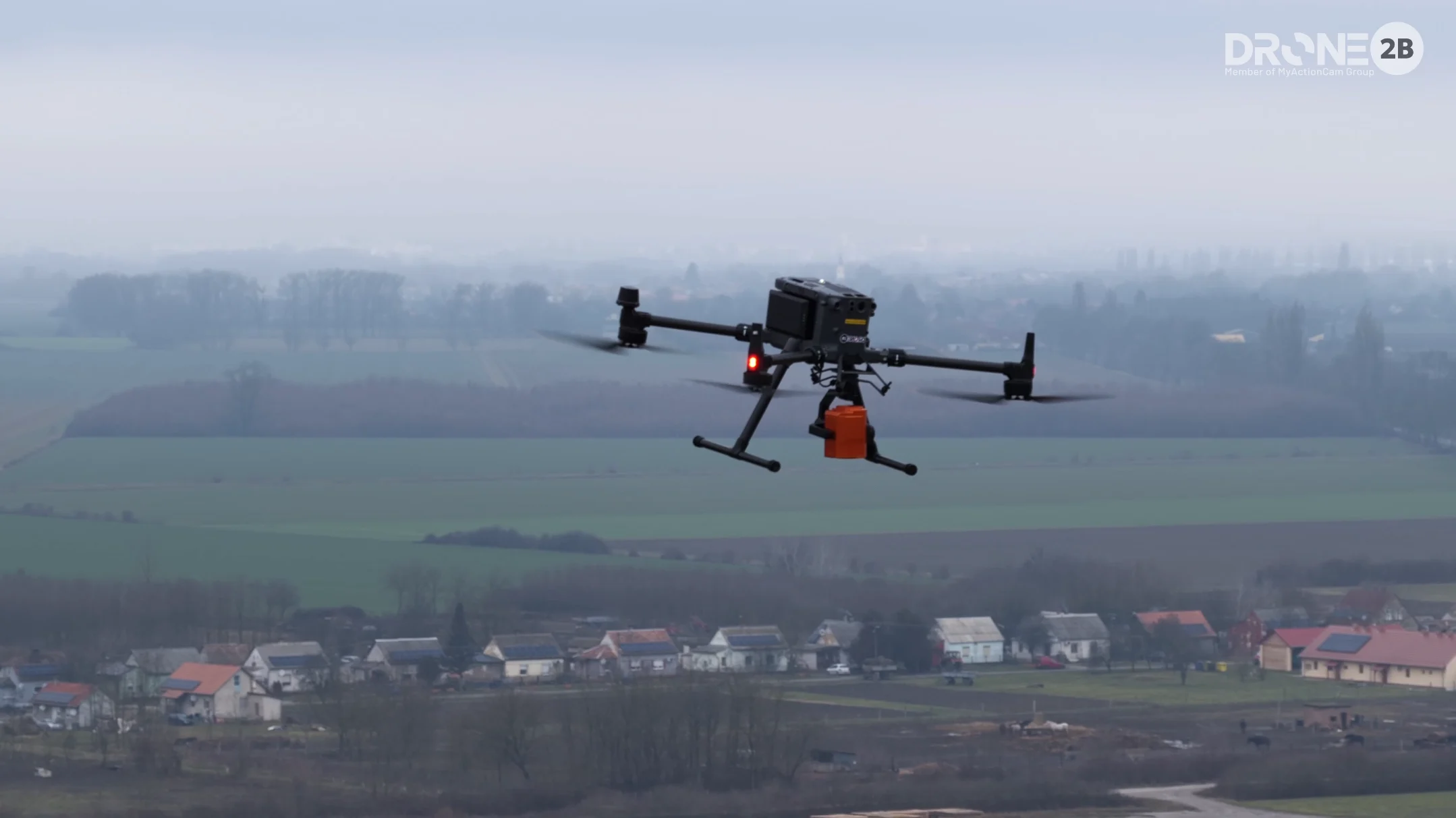
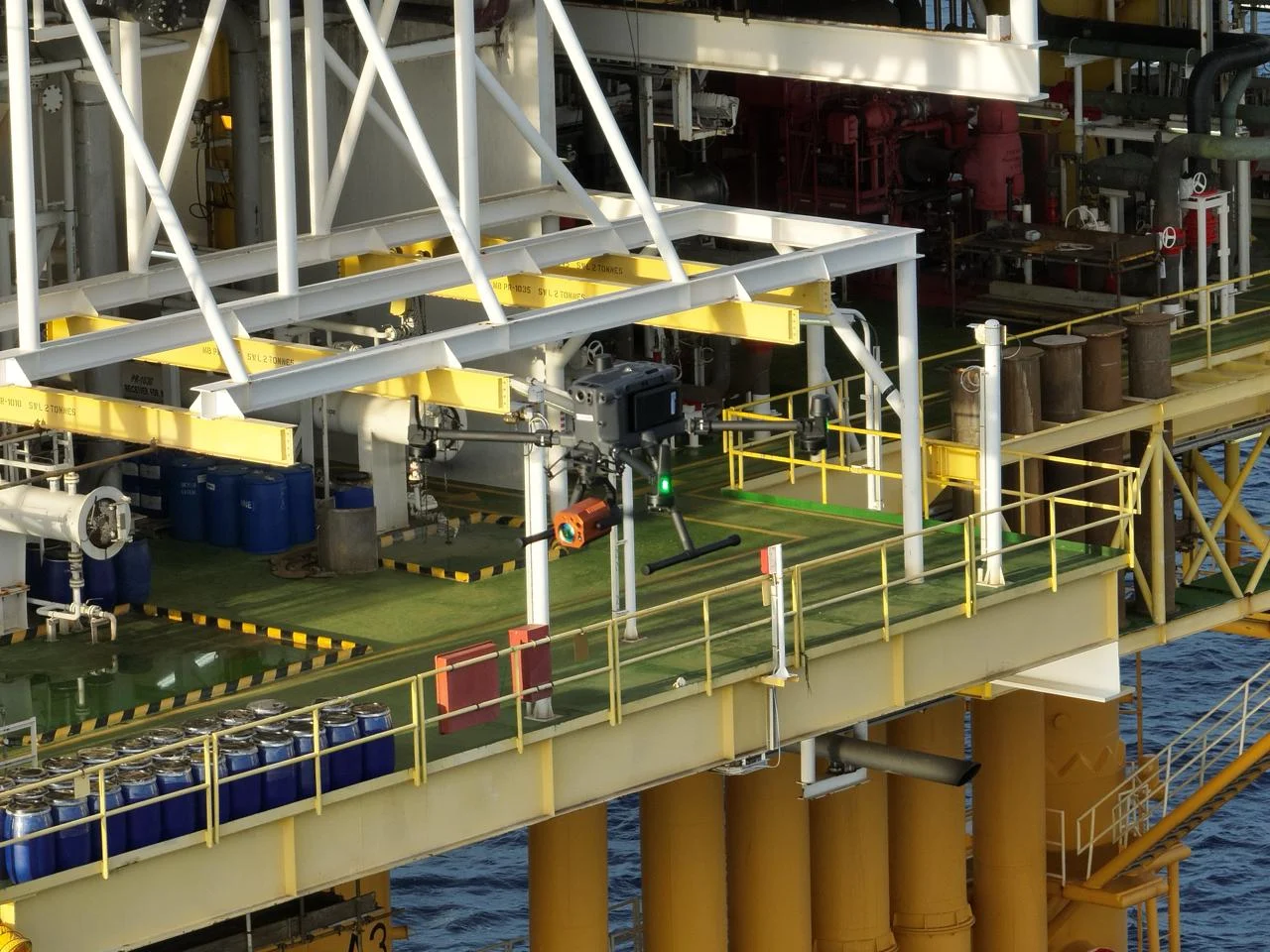
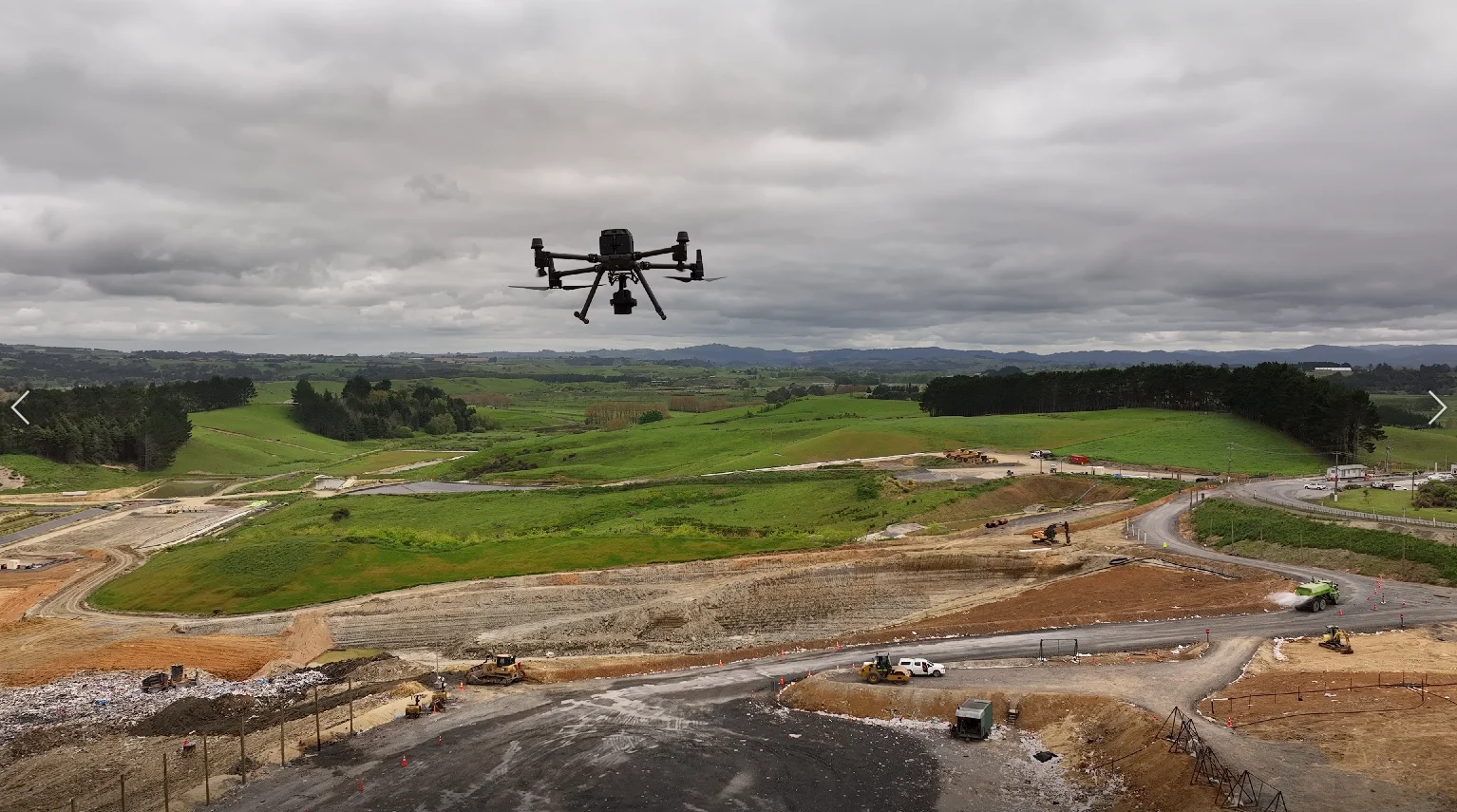
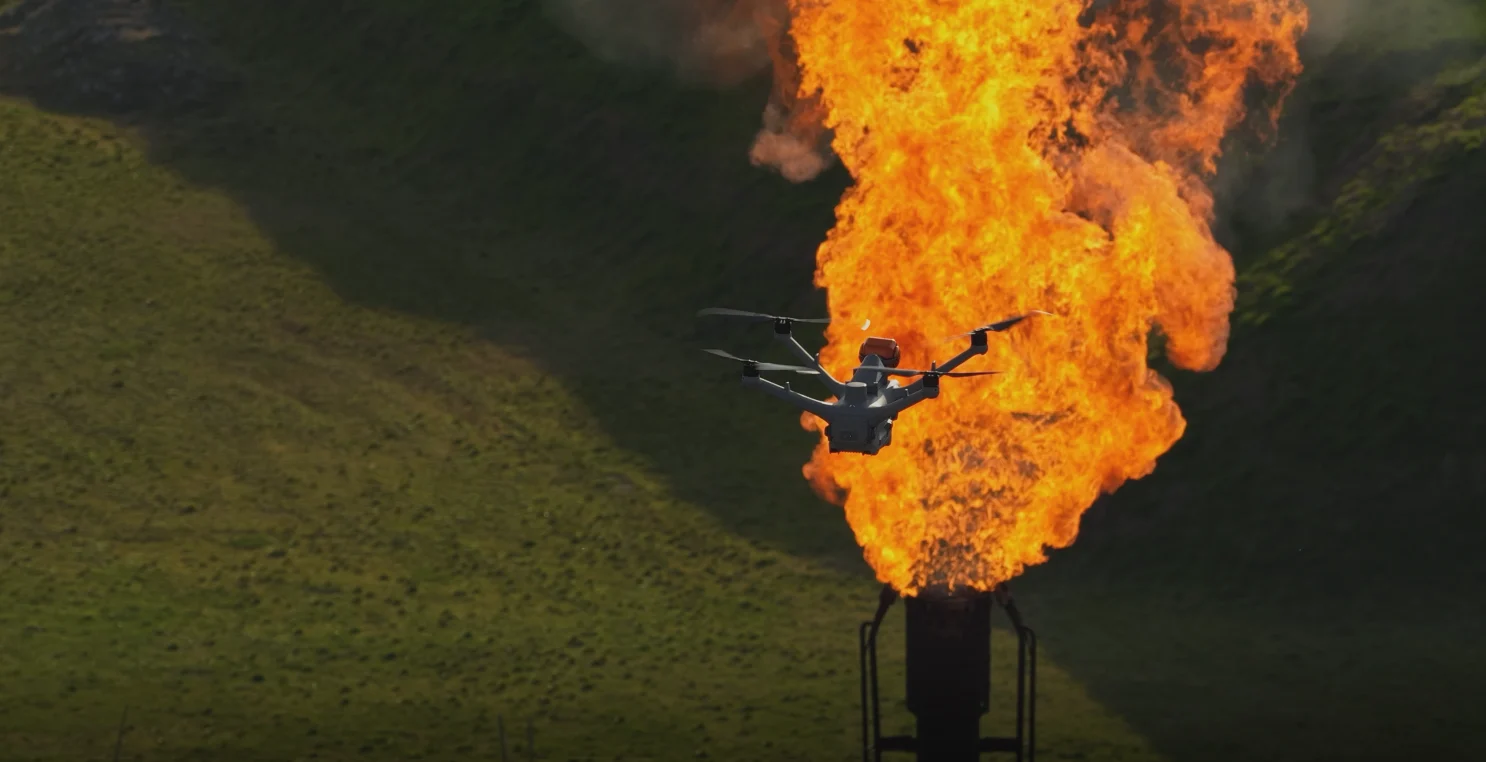
BLV Technology deployed the GasVision-TD1, integrated with the DJI Matrice 400, for the on-site evaluation.
GasVision-TD1 combines two complementary detection technologies:
- Optical Gas Imaging (OGI): Visualizes detectable gas plumes, helping operators observe gas movement and dispersion.
- Tunable Diode Laser Absorption Spectroscopy (TDLAS): Provides quantitative methane path-integrated concentration measurements in ppm·m.
This dual-mode design supports both gas visualization and methane measurement, offering additional information for industrial gas inspection and subsequent assessment.
On-Site Field Test
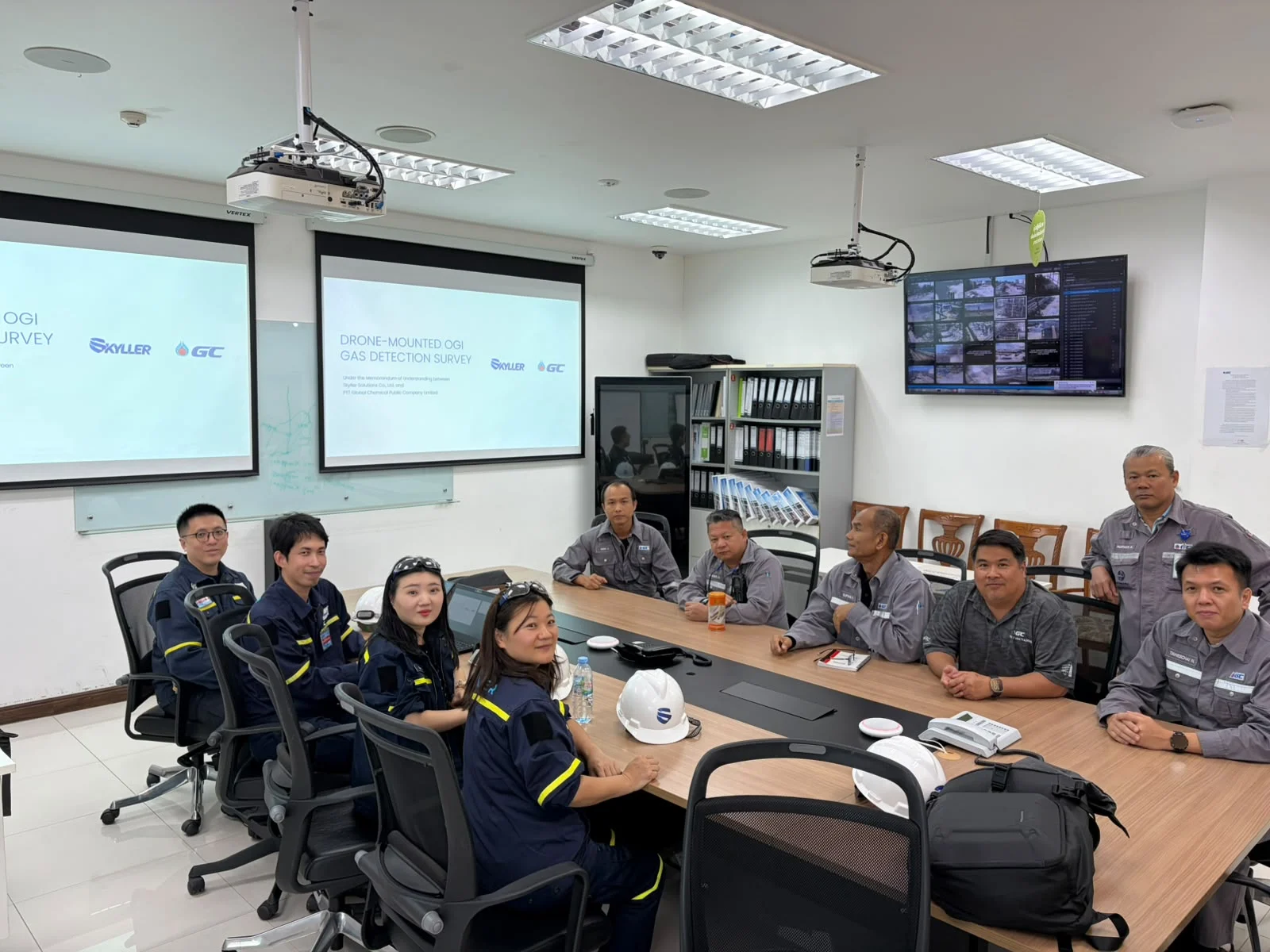
Before the demonstration, the BLV team completed the required site safety procedures, including safety training, permit arrangements, and coordination with the facility's operations, Safety, Health and Environment (SHE), and emergency response personnel.
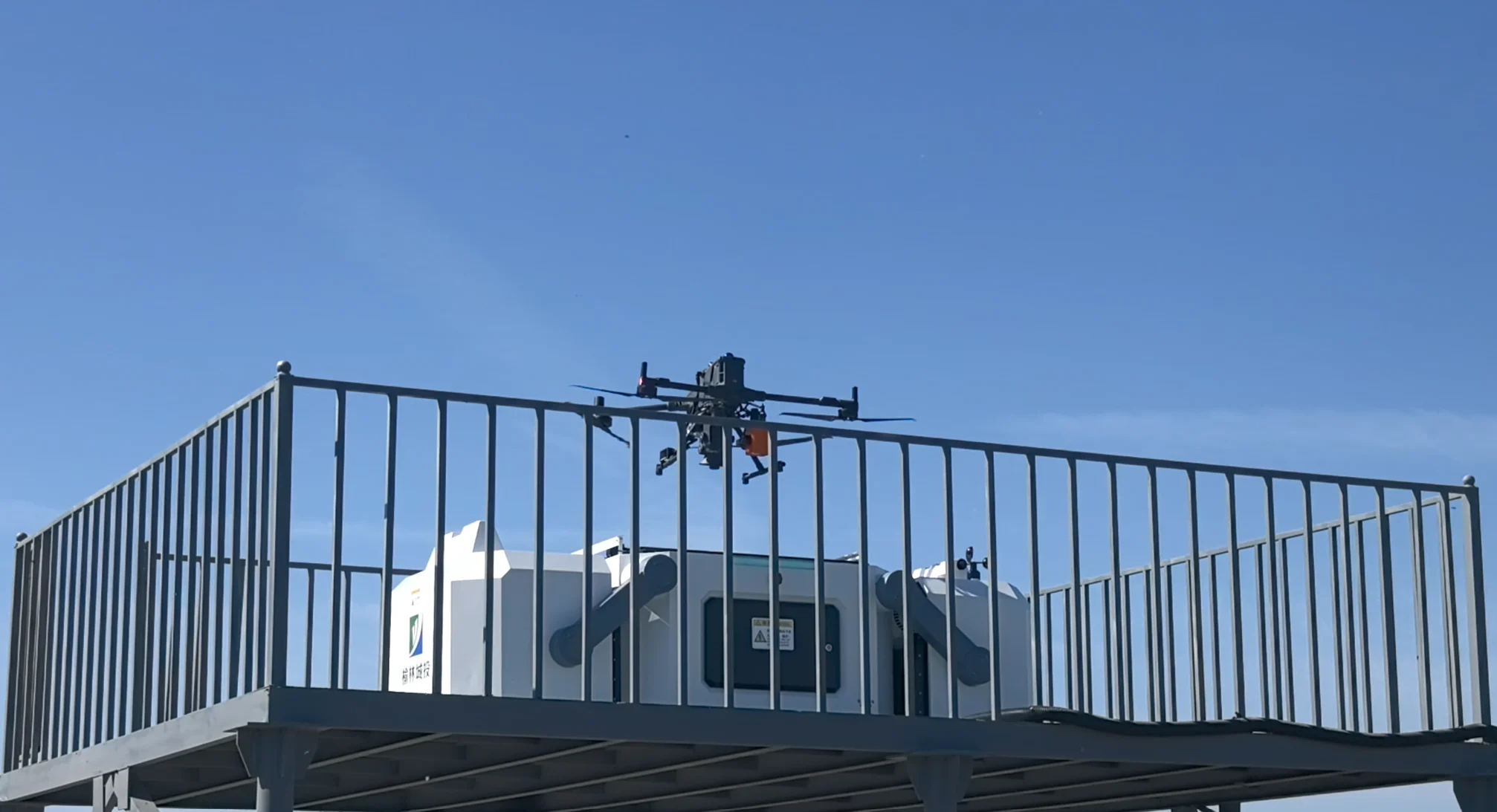
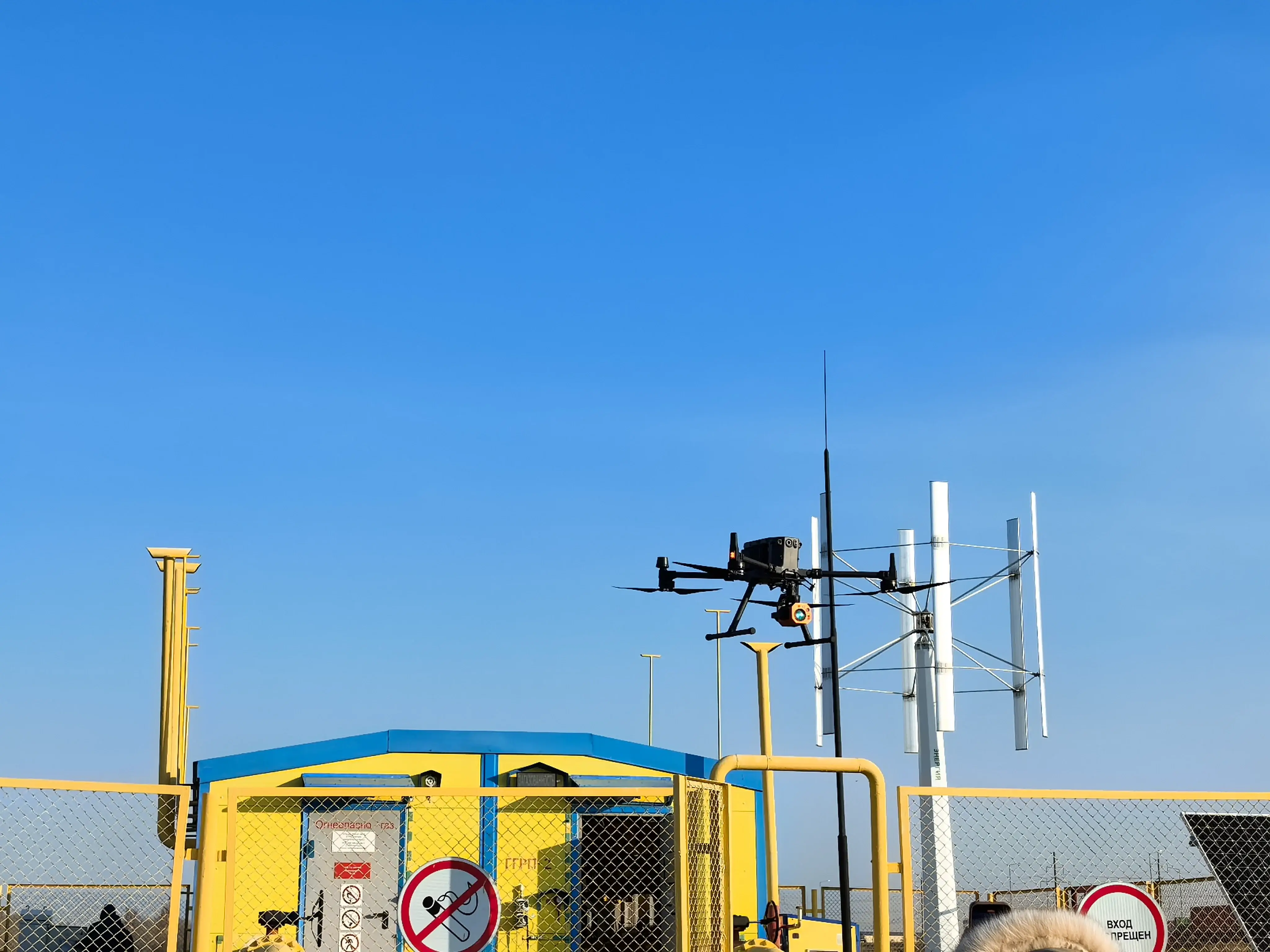
The GasVision-TD1 was mounted on a DJI Matrice 400 and operated around the designated floating-roof storage tank inspection area.
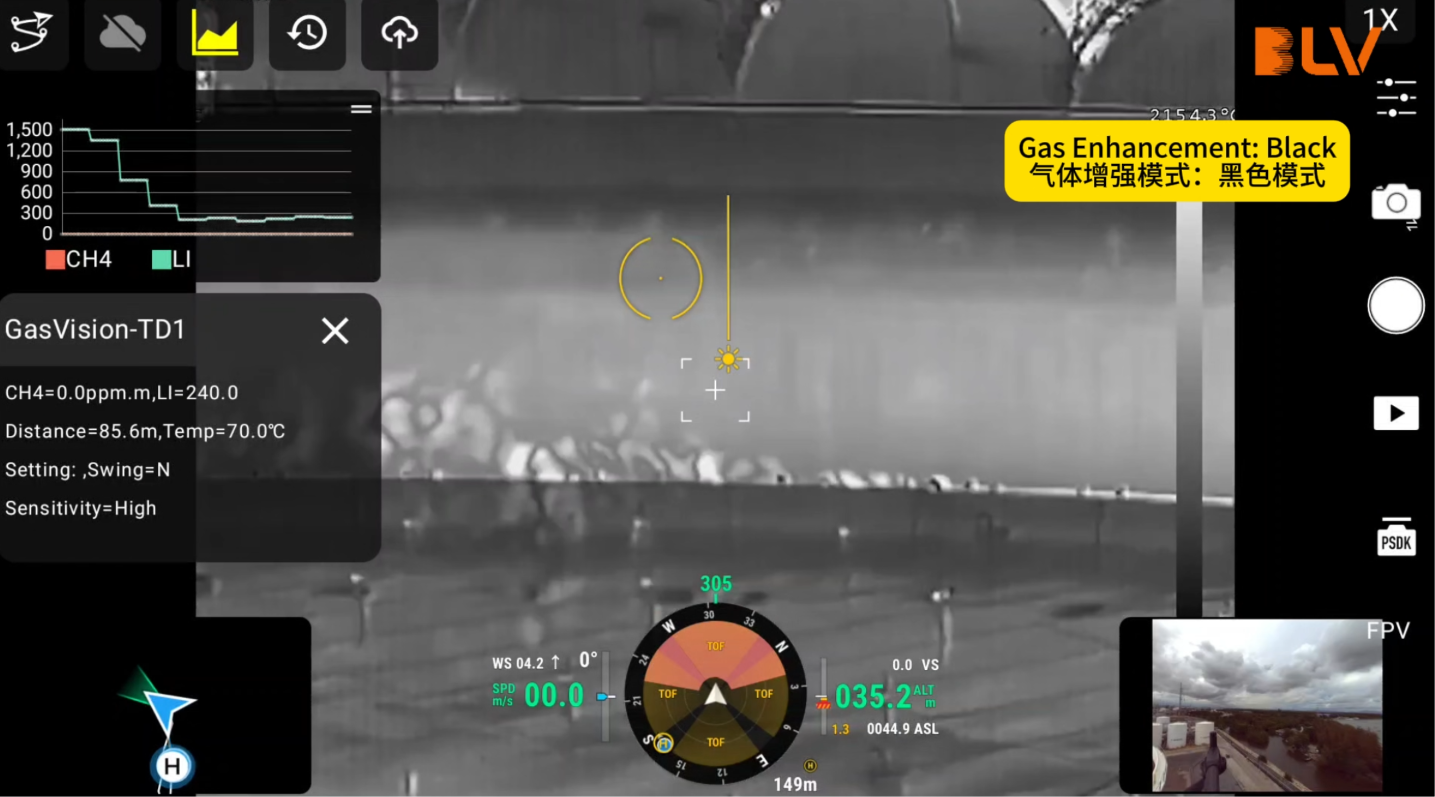
During the test, the team evaluated different gas enhancement display modes, including Black, Black Hot, Background Blur, and Grayscale, to assess gas plume visibility against the industrial background.
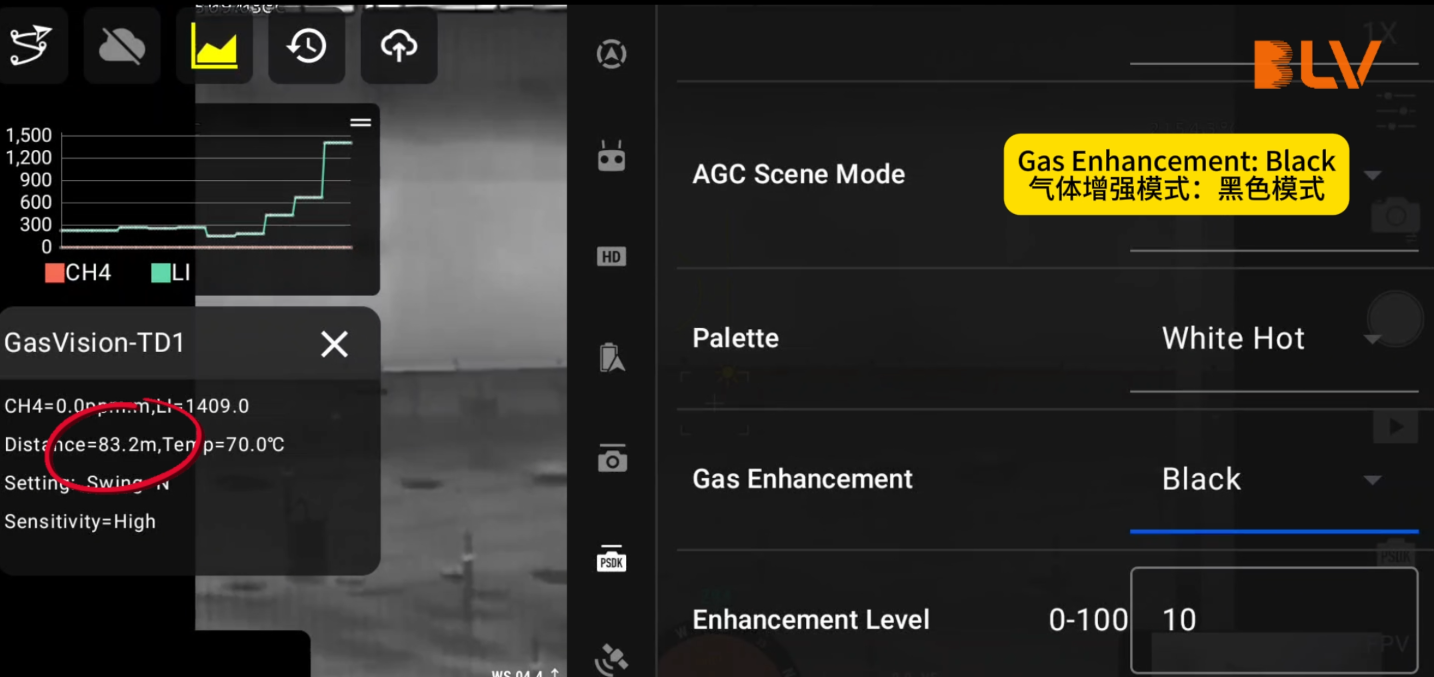
At an observation distance of approximately 80 meters, the GasVision-TD1 produced clear gas plume imagery during the field demonstration.
The test demonstrated the device's ability to visualize detectable gas emissions from a distance, allowing operators to observe plume characteristics without positioning personnel directly beside the inspection target.
Field Test Results
The demonstration provided practical observations of the GasVision-TD1's performance in a petrochemical storage environment.
Clear Gas Visualization at 80 m
Gas plumes remained clearly distinguishable in the OGI imagery at an observation distance of approximately 80 meters under the test conditions.
Multiple Gas Enhancement Modes
Different display modes allowed operators to adjust the presentation of gas imagery according to the background and viewing conditions.
Remote Inspection Capability
The DJI Matrice 400-mounted configuration enabled gas imaging from an aerial perspective, supporting inspection of elevated storage tank structures while reducing the need for close-range personnel access during the demonstration.
Positive Customer Feedback
The PTTGC team expressed strong satisfaction with the on-site demonstration, particularly the clarity of the gas plume visualization and the potential application of the technology in industrial inspection.
Conclusion
The field test at PTT Global Chemical demonstrated the practical capabilities of the GasVision-TD1 for drone-based gas imaging in a petrochemical storage tank environment.
By combining optical gas imaging with TDLAS methane detection, GasVision-TD1 offers a complementary approach to gas inspection, supporting visual identification of detectable gas plumes and quantitative methane measurements within a single system.
The positive results of the demonstration highlight its potential for applications in petrochemical plants, oil and gas facilities, storage terminals, and other complex industrial environments.
BLV Technology — From Detection to Decision.