




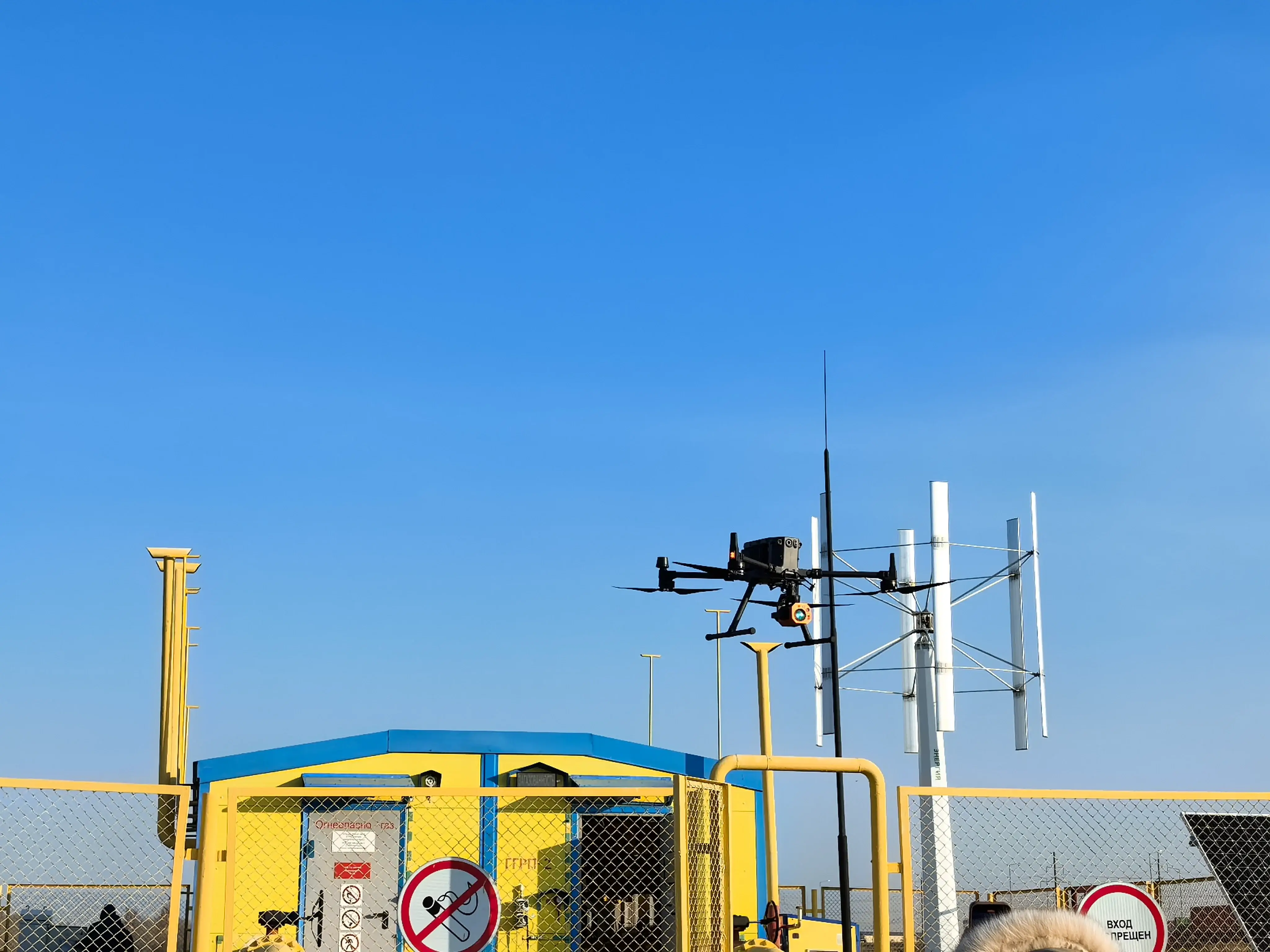
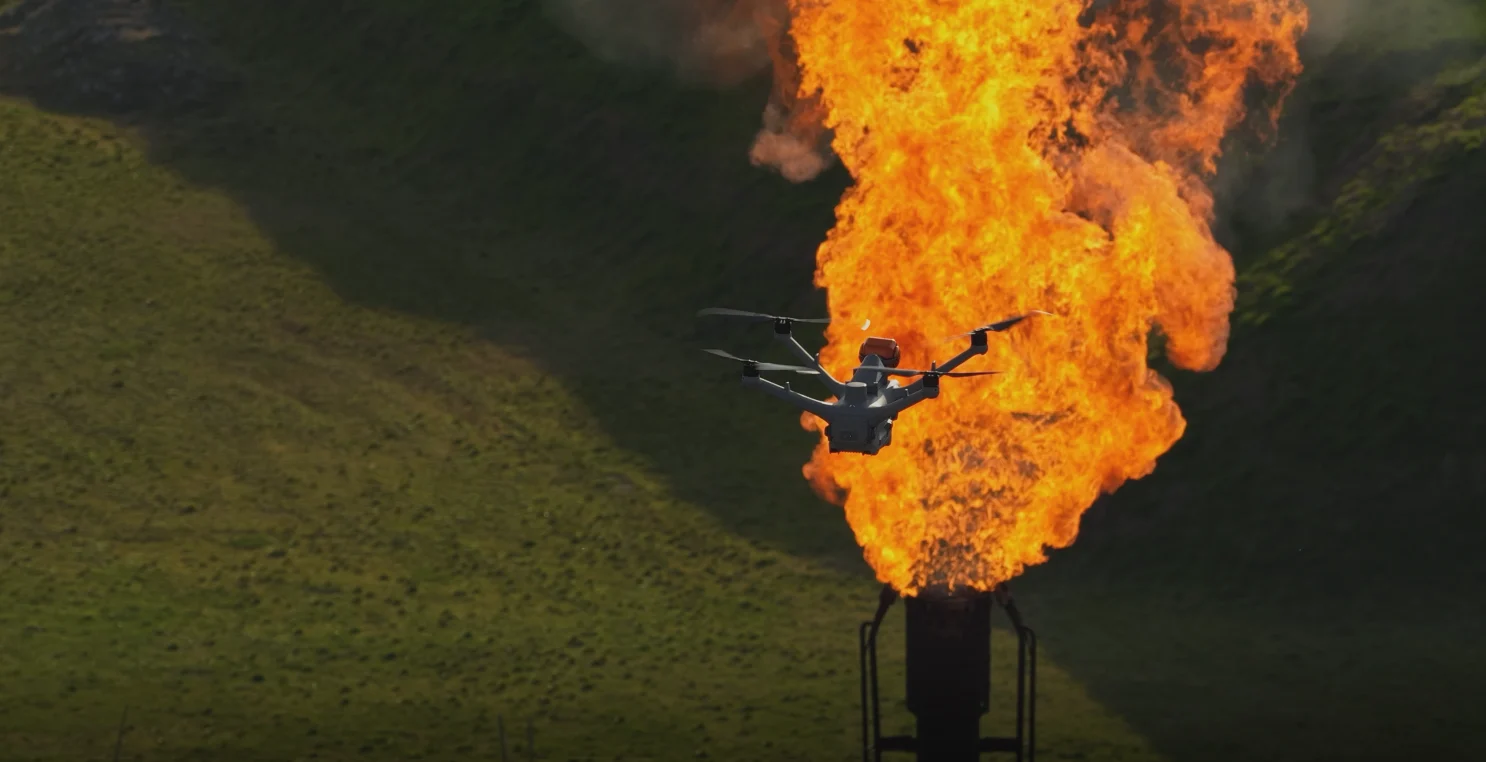

In one of the harshest operating environments on Earth—subzero temperatures, strong winds, and complex coastal airflows—a drone takes flight.
Its mission: to detect invisible risks in the air.
This field test took place at the Valdez Petroleum Terminal, a critical hub in the global energy network. As the endpoint of the Trans-Alaska Pipeline System, the terminal receives crude oil transported over 1,300 kilometers from Arctic oil fields before it is shipped worldwide by tanker.
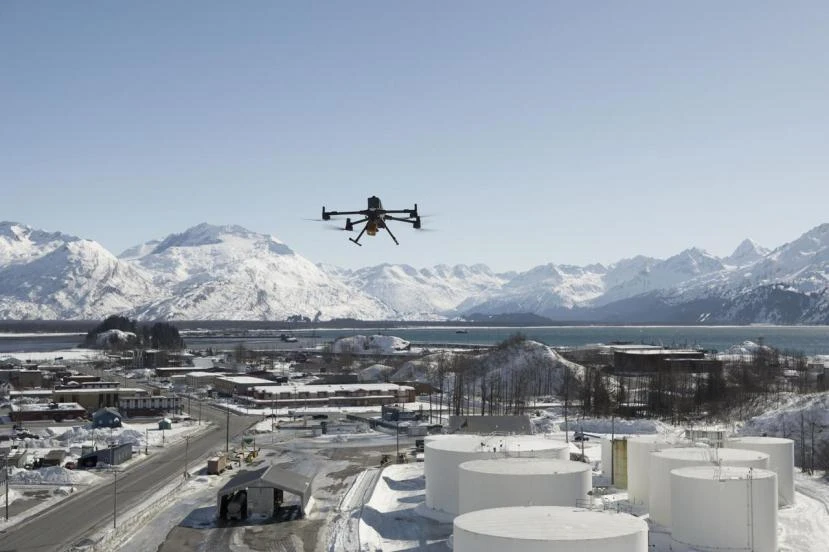
Given its scale and importance, the facility operates under stringent safety and environmental standards. At the same time, it presents a uniquely challenging environment for any sensing technology due to:
Extreme cold
High winds
Complex coastal airflow patterns
Large and widely distributed infrastructure
In short, it is an ideal real-world test site.
Test Setup and Flight Operations
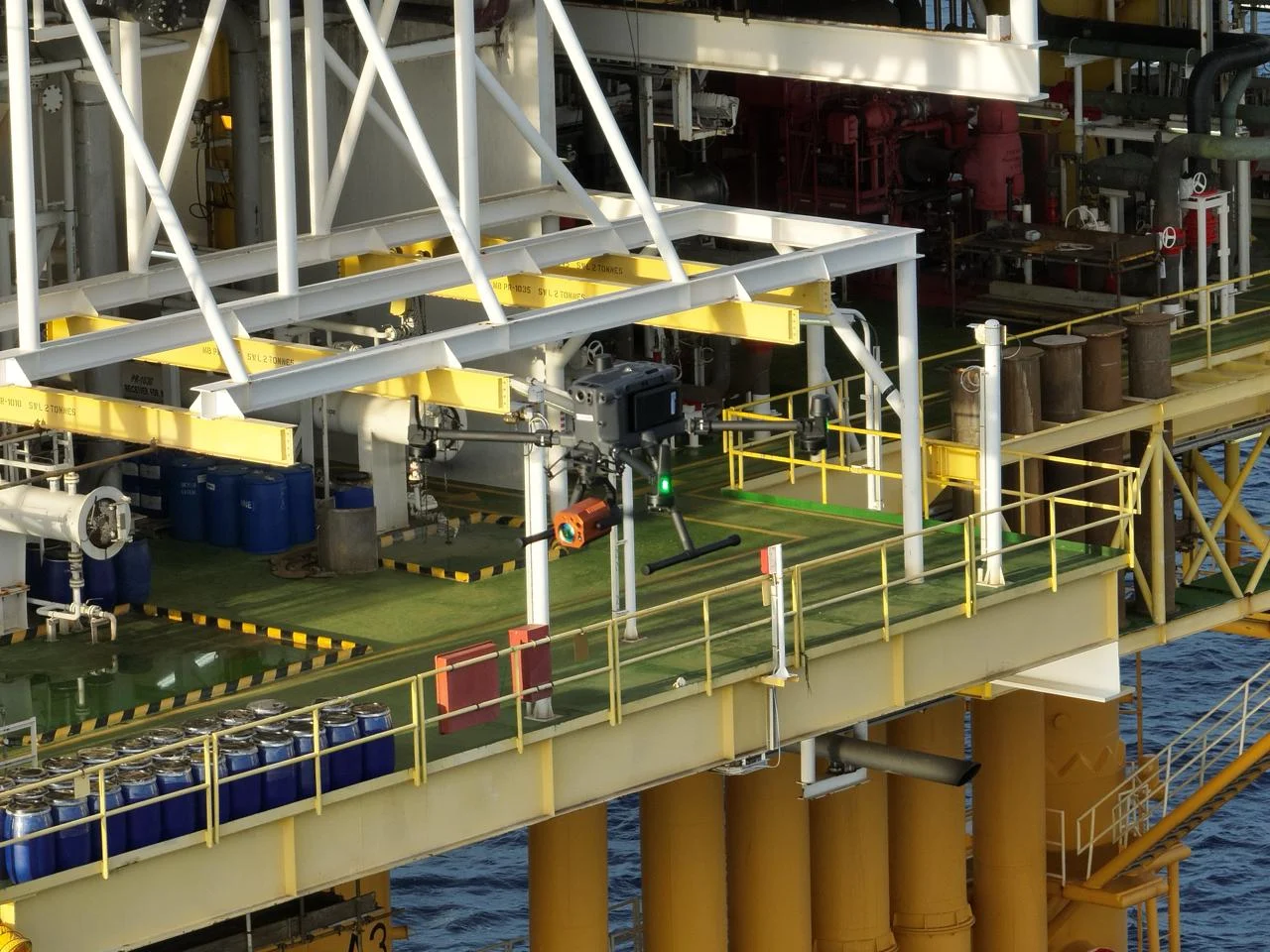
The test was conducted using a drone-mounted TDLAS methane remote sensing system (BL-CH4 400).
Flight operations were designed to simulate practical deployment scenarios and included:
Scanning above storage tanks
Inspecting pipeline corridors
Monitoring loading areas at the marine terminal
Executing multiple flight paths to cover the entire site
Key Findings
No large-scale methane leaks were detected.
However, the results revealed something more meaningful:
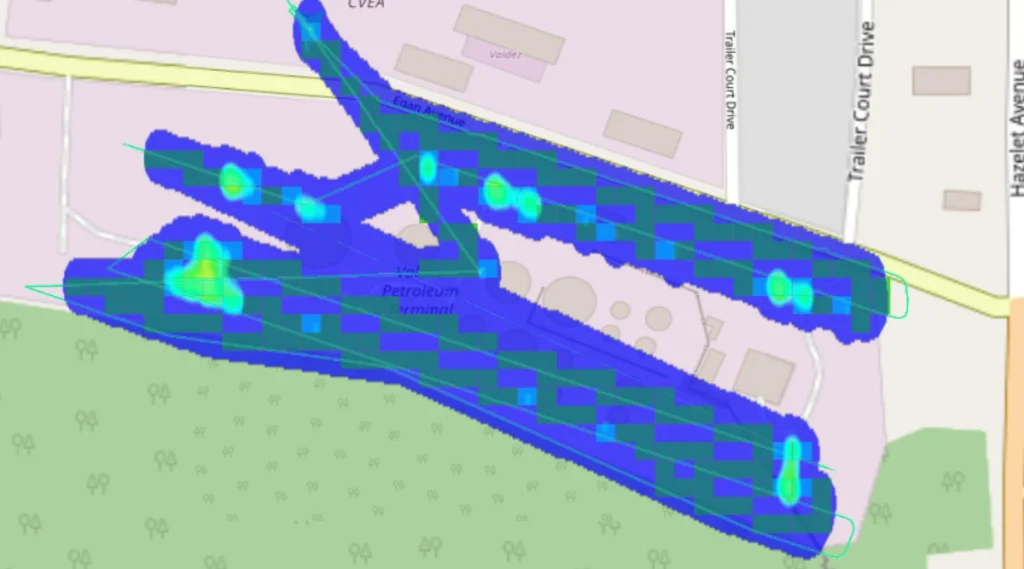
Methane signals were observed across multiple areas of the facility
Measured concentrations ranged from 30 to 206 ppm·m
At first glance, this may suggest widespread leakage. In reality, this pattern is consistent with a normally operating oil and gas terminal.
Interpreting the Results
The presence of low-level, widely distributed methane can be explained by three factors:
Ambient methane background
Methane is naturally present in the atmosphere. Path-integrated laser measurements typically register background levels in the tens to low hundreds of ppm·m.
Routine micro-emissions
Even under strict operational control, small emissions are unavoidable. These may originate from: Minor valve seepage
Flange connections
Tank breathing
Evaporation during loading
Such emissions are diffuse and low in concentration rather than localized leaks.
Atmospheric dispersion
l Strong winds and turbulence—characteristic of Valdez—rapidly dilute and disperse gases. This leads to: No distinct emission sources
l Relatively uniform distribution
l Lower overall concentrations
What the Test Demonstrates
The significance of this test goes beyond leak detection
Real-world performance validation
The data reflects actual operating conditions, not controlled environments, demonstrating the system’s readiness for deployment in extreme scenarios.
Sensitivity to low-concentration methane
Stable detection in the 30–200 ppm·m range indicates high sensitivity and strong signal-to-noise performance, exceeding the capabilities of many conventional methods.
Operational reliability in extreme environments
The system maintained performance despite challenges to optics, temperature tolerance, and flight stability—confirming its industrial-grade robustness
Implications for Oil and Gas Operations
Effective safety management in the oil and gas industry depends on early detection, not just response.
This approach enables operators to:
l Establish methane baseline maps across facilities
l Detect deviations and emerging trends
l Enhance emissions monitoring and management strategies
By successfully operating in one of Alaska’s most demanding oil terminals, this test demonstrates more than just flight capability. It provides a clear, data-driven view of methane distribution across the entire site.
This is the core value of high-sensitivity remote sensing: enabling baseline establishment, continuous monitoring, and proactive risk management.