





Author: Blair Liu
Category: Reference
Published: June 2026
Keywords: Methane Detection, UAV Gas Monitoring, Drone Inspection, Handheld Gas Detector, TDLAS, OGI, Leak Detection, Emissions Monitoring, Pipeline Integrity
Introduction
Methane (CH₄) is widely recognized as an important greenhouse gas, and its emissions from oil and gas systems have been the subject of increasing scientific and regulatory attention. Depending on atmospheric conditions and evaluation time horizons, methane may contribute significantly to short-term radiative forcing effects.
Methane leak detection in industrial environments has historically relied on handheld gas detection instruments operated by field personnel. These methods provide localized concentration measurements at specific inspection points. However, as industrial facilities and transmission networks increase in scale and complexity, alternative monitoring approaches have been explored in both research and operational contexts.
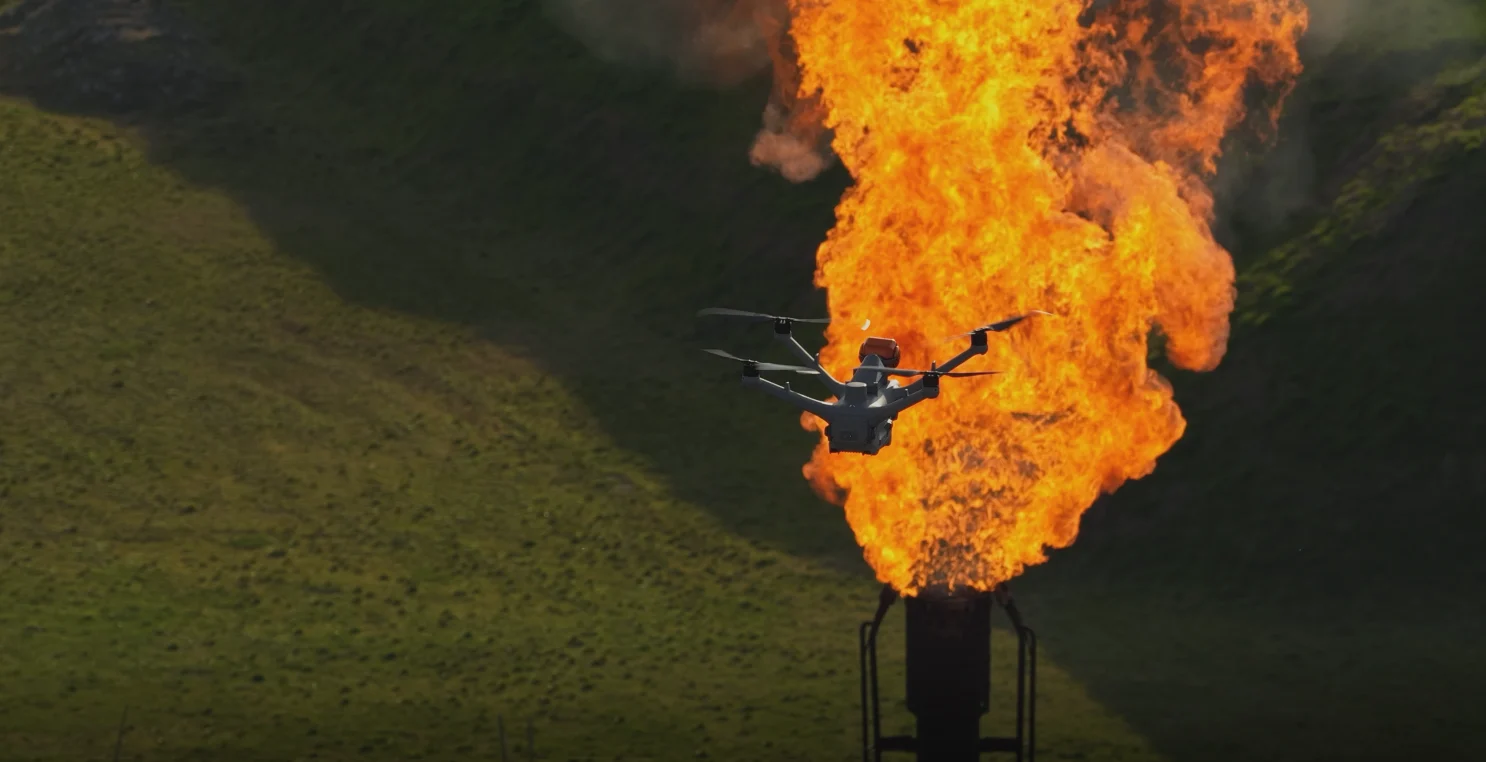
In recent years, drone-based gas detection systems have been studied and deployed in various field trials as a supplementary approach to methane monitoring. These systems integrate unmanned aerial platforms with sensing technologies such as tunable diode laser absorption spectroscopy (TDLAS) and optical gas imaging (OGI), enabling remote data collection under certain operational conditions.
This paper provides a comparative overview of handheld gas detection methods and drone-based gas detection technologies, focusing on their operating principles, observed characteristics, and potential roles within methane monitoring frameworks.
Traditional Handheld Gas Detection
Handheld gas detectors are portable instruments designed to measure gas concentrations at or near specific locations. Depending on the device configuration, they may utilize catalytic sensors, infrared absorption techniques, electrochemical sensors, or other detection principles.
Operational Characteristics
In typical applications, handheld detectors are used by technicians to inspect equipment such as valves, flanges, compressors, and pipeline fittings. Measurements are generally taken at discrete points based on inspection routes or maintenance requirements.
Observed Advantages
- Provides direct measurement at specific locations
- Allows close-range inspection of potential emission sources
- Established use in industrial inspection practices
- Relatively flexible deployment in field conditions
Observed Limitations
- Requires personnel to access inspection locations physically
- Coverage depends on inspection planning and available resources
- Survey completeness may vary with terrain and operational constraints
- Data represents point-specific rather than spatially continuous measurements
In large-scale infrastructure systems, manual inspection programs may involve significant logistical coordination and time requirements.
Drone-Based Gas Detection Technologies
Drone-based gas detection systems combine unmanned aerial platforms with gas sensing payloads to collect methane-related data from elevated or remote perspectives.
Common Sensor Types
Research and field applications have reported the use of several sensing approaches, including:
- Tunable Diode Laser Absorption Spectroscopy (TDLAS)
- Optical Gas Imaging (OGI)
- Multi-gas or sampling-based sensor modules
Among these, TDLAS is frequently discussed in literature due to its capability for non-contact optical measurement under suitable conditions.
Measurement Principle (TDLAS)
TDLAS operates based on the absorption of laser light at methane-specific wavelengths. When a laser beam passes through a methane-containing path, partial absorption may occur depending on concentration and path length. The resulting signal attenuation is analyzed using physical models such as the Beer–Lambert relationship to estimate path-integrated gas concentration.
These measurements are typically expressed in units such as ppm·m, representing integrated concentration along the optical path rather than point concentration.
System Characteristics
In documented applications, UAV-based systems may be configured to:
- Follow predefined or operator-defined flight paths
- Collect georeferenced gas concentration data
- Record environmental and positional metadata
- Generate post-flight datasets for further analysis
The resulting outputs are often used as part of broader interpretation workflows rather than standalone diagnostic results.
Comparative Analysis
Handheld and drone-based gas detection methods differ primarily in measurement scale, operational workflow, and data structure.
Measurement Scale
Handheld instruments generally provide localized point measurements, whereas UAV-based systems collect spatially distributed measurements along flight trajectories. The interpretation of these datasets differs accordingly.
Operational Considerations
Handheld inspection requires physical access to inspection points, while UAV-based approaches may operate from a remote position. The suitability of either approach may depend on site conditions, safety constraints, and operational design.
Data Characteristics
- Handheld: discrete point-based concentration readings
- Drone-based: path-integrated or spatially distributed datasets
These differences may influence how results are interpreted within monitoring or reporting frameworks.
Complementary Use
In many documented cases, both approaches are used in combination. UAV-based surveys may be used to identify areas of interest, while handheld instruments may be used for follow-up verification and closer inspection.
This combined approach is often discussed in the literature as a multi-tiered monitoring strategy rather than a replacement model.
Applications in Methane Monitoring Contexts
Drone-based and handheld gas detection methods have been referenced in various industrial contexts, including:
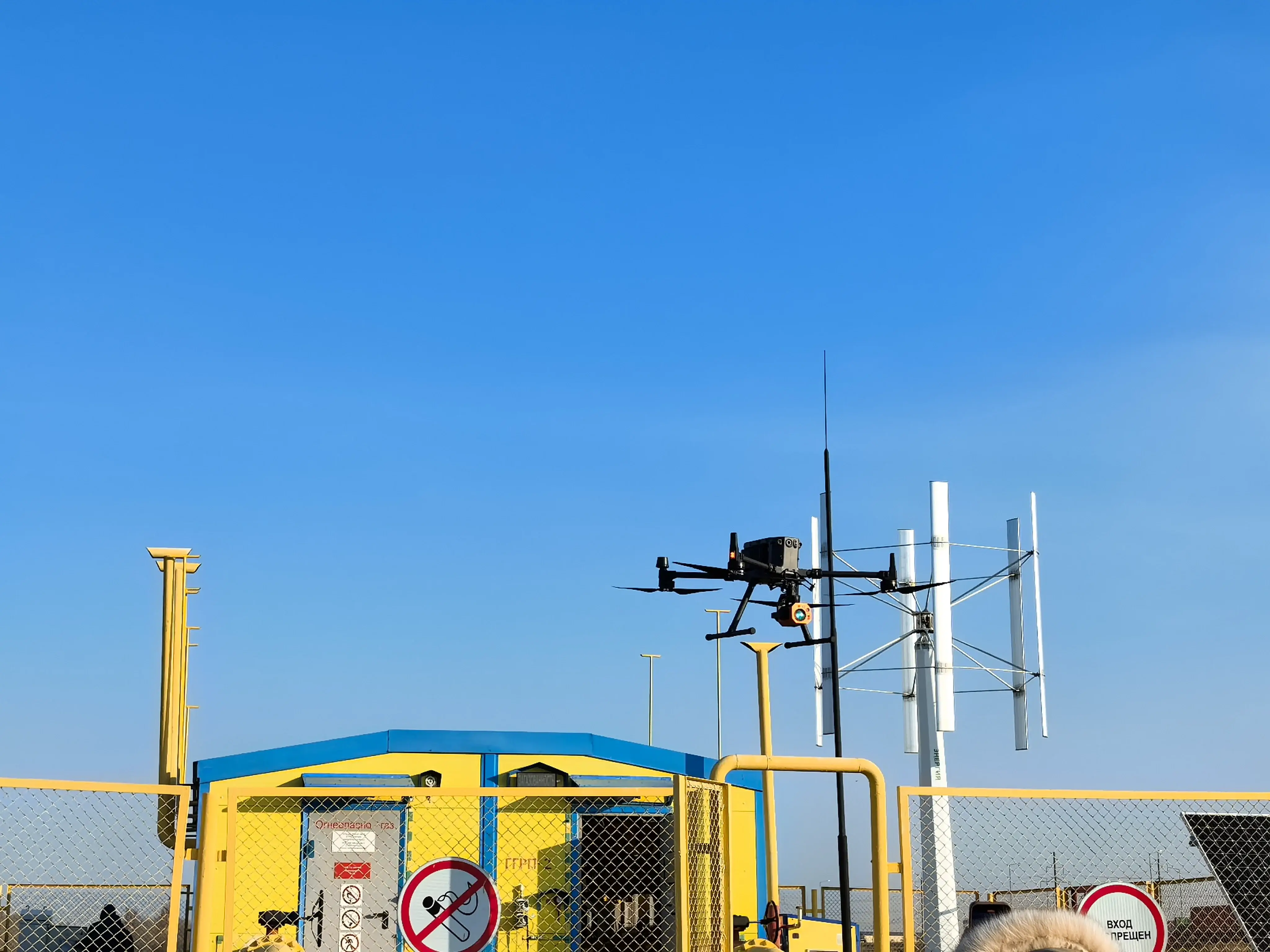
- Natural gas transmission infrastructure
- Gas distribution networks
- Refinery and processing facilities
- LNG storage and handling systems
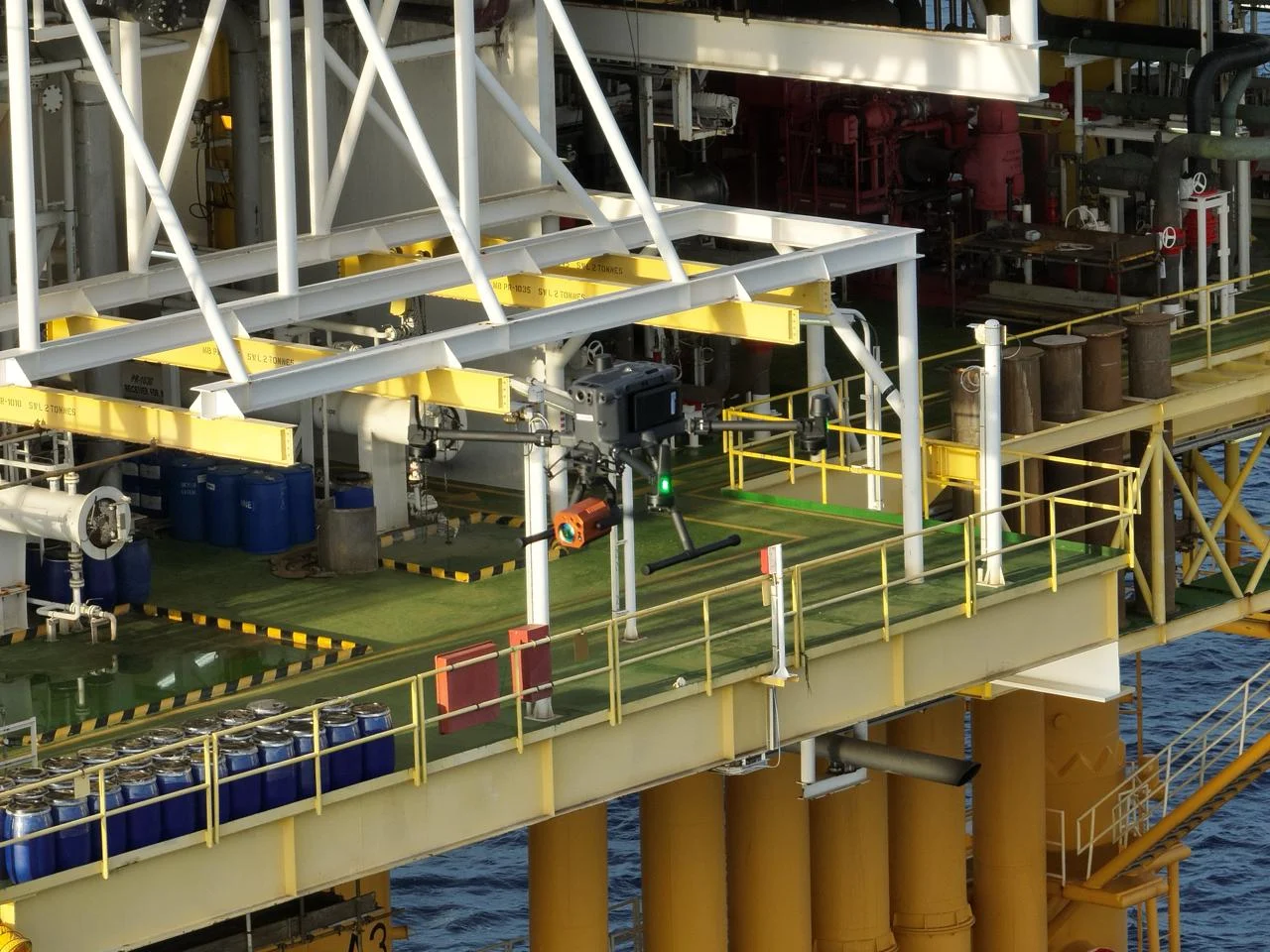
- Offshore and remote operational environments
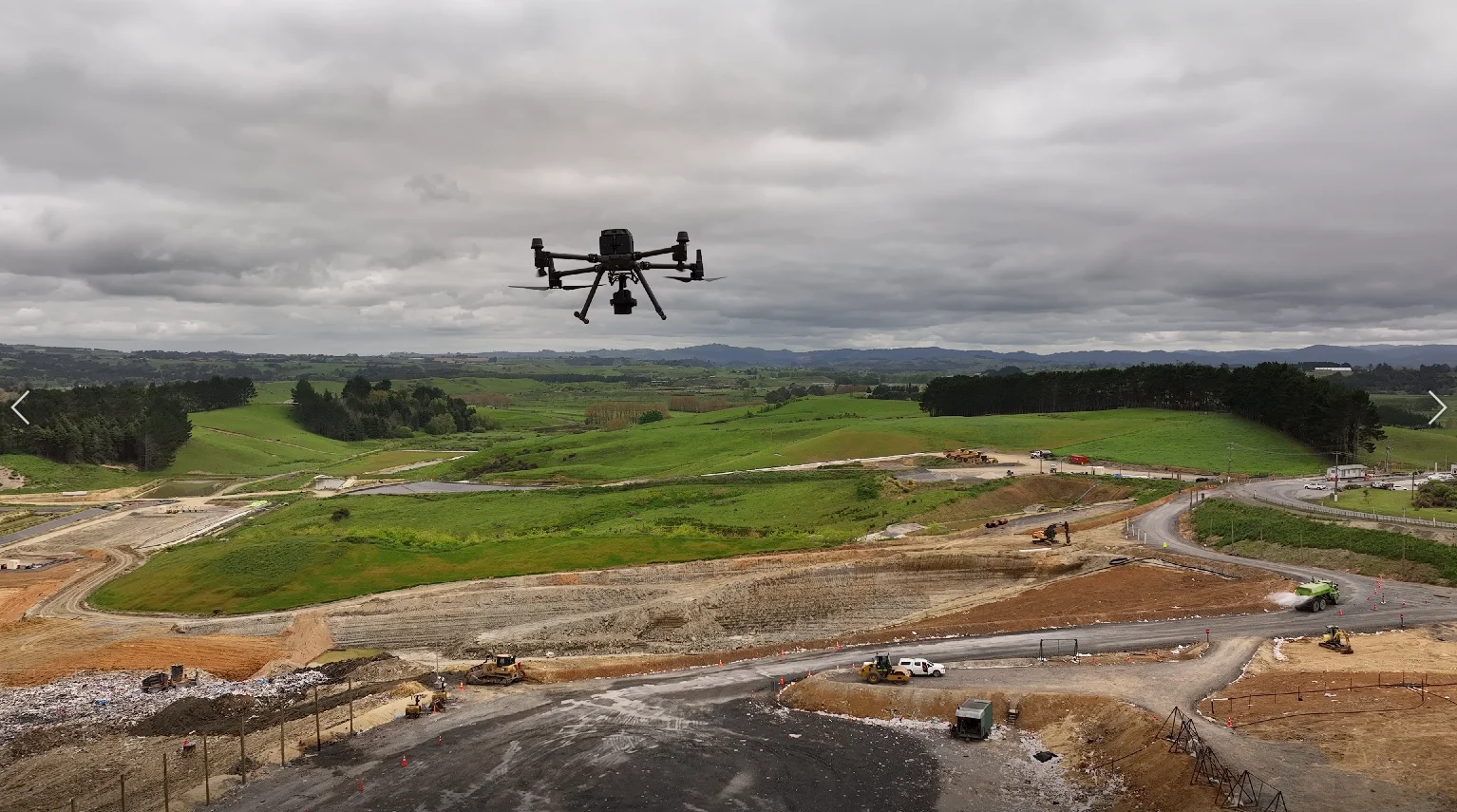
- Waste management and landfill sites
The selection of monitoring methods in these contexts may vary depending on operational constraints, regulatory frameworks, and site-specific conditions.
Emerging Development Directions
Current research and industrial practice indicate several evolving trends in methane monitoring technologies.
Automation and Remote Operation
Increased use of automated flight paths and data acquisition systems has been observed in UAV-based monitoring applications.
Multi-Source Data Integration
There is growing interest in combining multiple data sources, including ground measurements, aerial surveys, and satellite observations, to improve spatial and temporal coverage.
Data Analytics and Modeling
Analytical methods such as statistical modeling, machine learning, and atmospheric dispersion simulation are increasingly applied to assist in interpreting methane measurement data.
Continuous Monitoring Concepts
Some studies have explored near-continuous or higher-frequency monitoring approaches, although implementation depends on technical and operational feasibility.
Conclusion
Handheld gas detectors and drone-based gas detection systems represent two different approaches to methane monitoring, each with distinct operational characteristics and data outputs.
Handheld methods provide localized measurement capability and are commonly used for targeted inspection activities. Drone-based systems, as reported in research and field applications, enable spatially distributed data collection under suitable conditions and may support broader survey coverage.
In many practical frameworks, these methods are not considered mutually exclusive. Instead, they are often integrated in multi-step monitoring workflows, where different tools contribute to different stages of detection, verification, and analysis.
The selection and combination of methane monitoring approaches typically depend on site conditions, operational objectives, and applicable regulatory or reporting requirements.
Disclaimer
This document is intended for informational and educational purposes only. It does not constitute engineering, legal, regulatory, or operational advice. The performance and applicability of any monitoring approach may vary depending on environmental conditions, system configuration, and site-specific factors. Users should refer to applicable standards and qualified professionals for implementation decisions.
References
- International Energy Agency (IEA). Global Methane Tracker, 2024.
- United Nations Environment Programme (UNEP). Global Methane Assessment, 2021.
- U.S. Environmental Protection Agency (EPA). Methane Emissions and LDAR Guidance.
- National Institute of Standards and Technology (NIST). Laser Absorption Spectroscopy Principles.
- Werle, P., et al. (1993). TDLAS trace gas detection fundamentals. Applied Physics B.
- McManus, J.B., et al. (2015). Laser-based trace gas instrumentation. Philosophical Transactions A.
- Ravikumar, A.P., et al. (2019). Methane leak detection sensitivity analysis. Environmental Science & Technology.
- Bridger Photonics. Gas Mapping LiDAR Technical Overview.
- TotalEnergies. Airborne Methane Detection Programs.
- Cyberhawk. UAV-based industrial inspection case studies.
- Jemena Gas Networks. Methane monitoring and emissions reporting framework.
- European Union. Methane Emissions Reduction Regulation, 2024.
- U.S. Department of Energy (DOE). Methane Measurement Technologies Review.
- OGMP 2.0 Framework Documentation.