




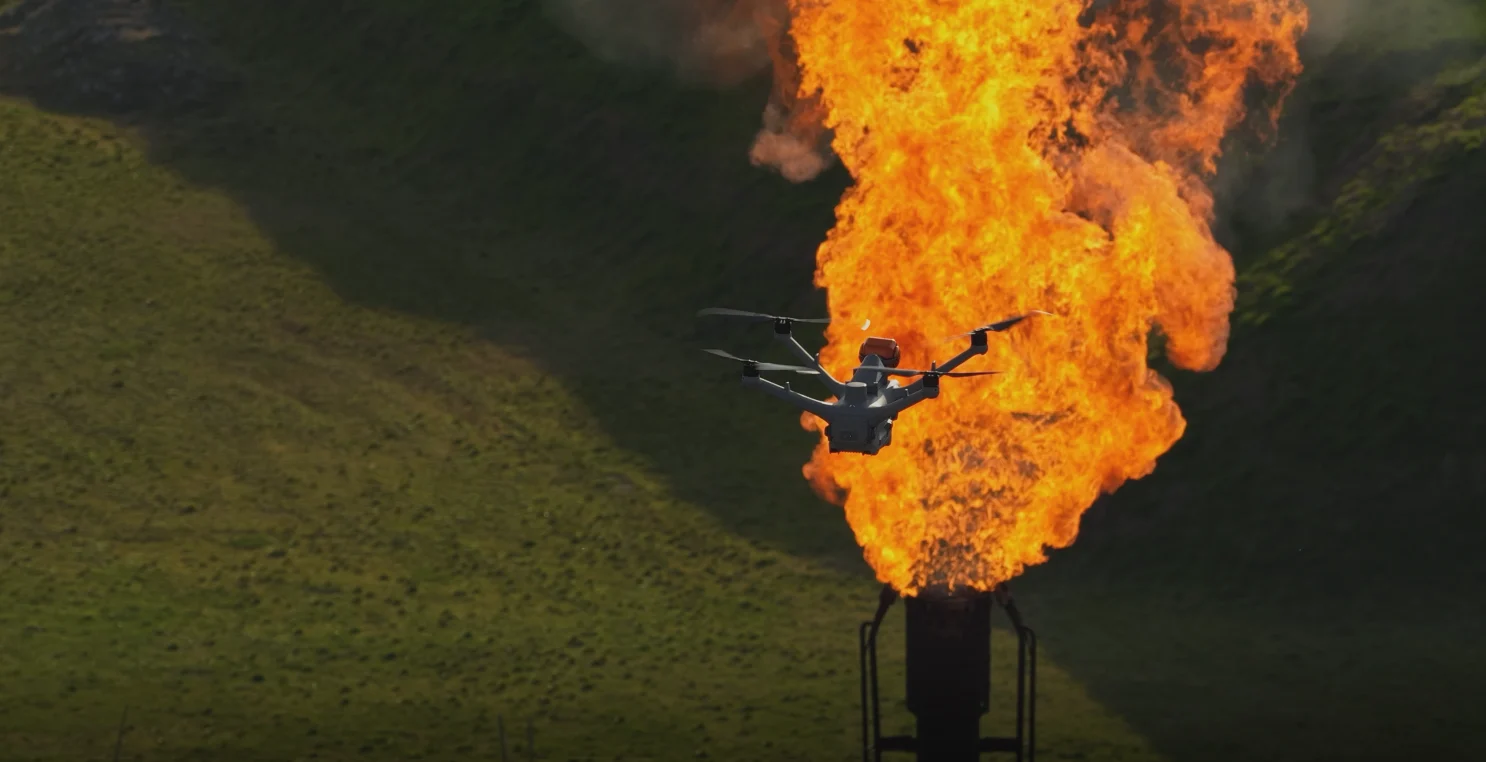

Industrial operators have traditionally focused on gas leaks primarily as a process-safety concern.
Today, however, leak management is also being shaped by methane-reduction targets, tighter environmental requirements and growing expectations for transparent emissions reporting. Operators are increasingly expected not only to find leaks, but also to repair them, verify the results and maintain traceable records.
Against this background, LDAR—Leak Detection and Repair—has become an important emissions-management practice across the oil and gas, chemical, refining and energy industries.
PART 01 From Fugitive Emissions Control to Methane Management
LDAR is not a single detection technology or instrument. It is a structured management programme designed to identify leaking equipment and ensure that leaks are repaired within an appropriate timeframe.
Its development is closely associated with regulatory efforts in the United States to control fugitive emissions from petroleum refineries and chemical facilities.
Industrial sites may contain thousands of potential leak points, including:
- Valves
- Flanges and connectors
- Pumps
- Compressors
- Pressure-relief devices
- Sampling connections
- Open-ended lines
A single leak may appear insignificant, but emissions from large numbers of components can accumulate into a substantial source of volatile organic compounds (VOCs), hazardous air pollutants or methane.
The U.S. Environmental Protection Agency describes LDAR as a work practice in which regulated components are monitored at specified intervals and leaking equipment is repaired or replaced within a defined period.[1]
A typical LDAR programme includes:
- Equipment inventory and inspection planning
- Leak detection
- Leak source identification
- Repair or component replacement
- Post-repair verification
- Recordkeeping and reporting
This creates a closed-loop process rather than a one-time inspection.
As methane emissions have received greater international attention, LDAR has expanded beyond conventional VOC management. It is now widely discussed in relation to oil and gas production, natural gas processing, transmission systems, LNG facilities and other methane-emitting infrastructure.
PART 02 Why Are Industrial Operators Paying More Attention to LDAR?
Evolving regulatory requirements
LDAR requirements are increasingly included in methane policies and emissions-control frameworks.
The European Union’s Regulation (EU) 2024/1787 establishes requirements for methane measurement, monitoring, reporting and verification in the energy sector. It also includes provisions for leak detection and repair surveys.[2]
The International Energy Agency identifies LDAR as one of the established and cost-effective measures available for reducing methane emissions from fossil-fuel operations.[3]
Requirements vary by country, sector and facility type. Operators therefore need to understand which components must be inspected, which methods are accepted, how frequently surveys must be performed and how quickly identified leaks must be repaired.
Better control of product losses
Methane and other process gases are commercially valuable products. Unidentified leaks can represent continuing material loss as well as environmental and safety risks.
A structured LDAR programme helps operators identify recurring leak sources and prioritize maintenance resources more effectively.
Greater demand for traceable emissions data
Modern emissions management increasingly depends on measurable and auditable information.
UNEP’s Oil and Gas Methane Partnership 2.0 promotes a measurement-based approach to methane reporting, encouraging operators to improve the accuracy and granularity of their emissions data over time.[4]
For industrial operators, this means that inspection records, repair histories and verification results are becoming increasingly important for both internal management and external reporting.
PART 03 LDAR Is More Than Leak Detection
A single inspection answers a limited question: Is there a potential leak at this moment?
An LDAR programme addresses a broader set of questions:
- Where is the leak?
- Which component is responsible?
- When was it detected?
- How significant is it?
- What corrective action is required?
- Has the repair been completed?
- Was the repair successful?
- Has the same component leaked before?
This lifecycle-based approach allows operators to build a more complete understanding of equipment condition and emissions performance.
LDAR is commonly applied at:
- Oil and gas production facilities
- Refineries and chemical plants
- Natural gas processing facilities
- Compressor and regulator stations
- LNG storage and transportation facilities
- Transmission and distribution infrastructure
- Other facilities with fugitive gas emissions
The exact scope of an LDAR programme depends on applicable regulations, site conditions, target gases and operational objectives.
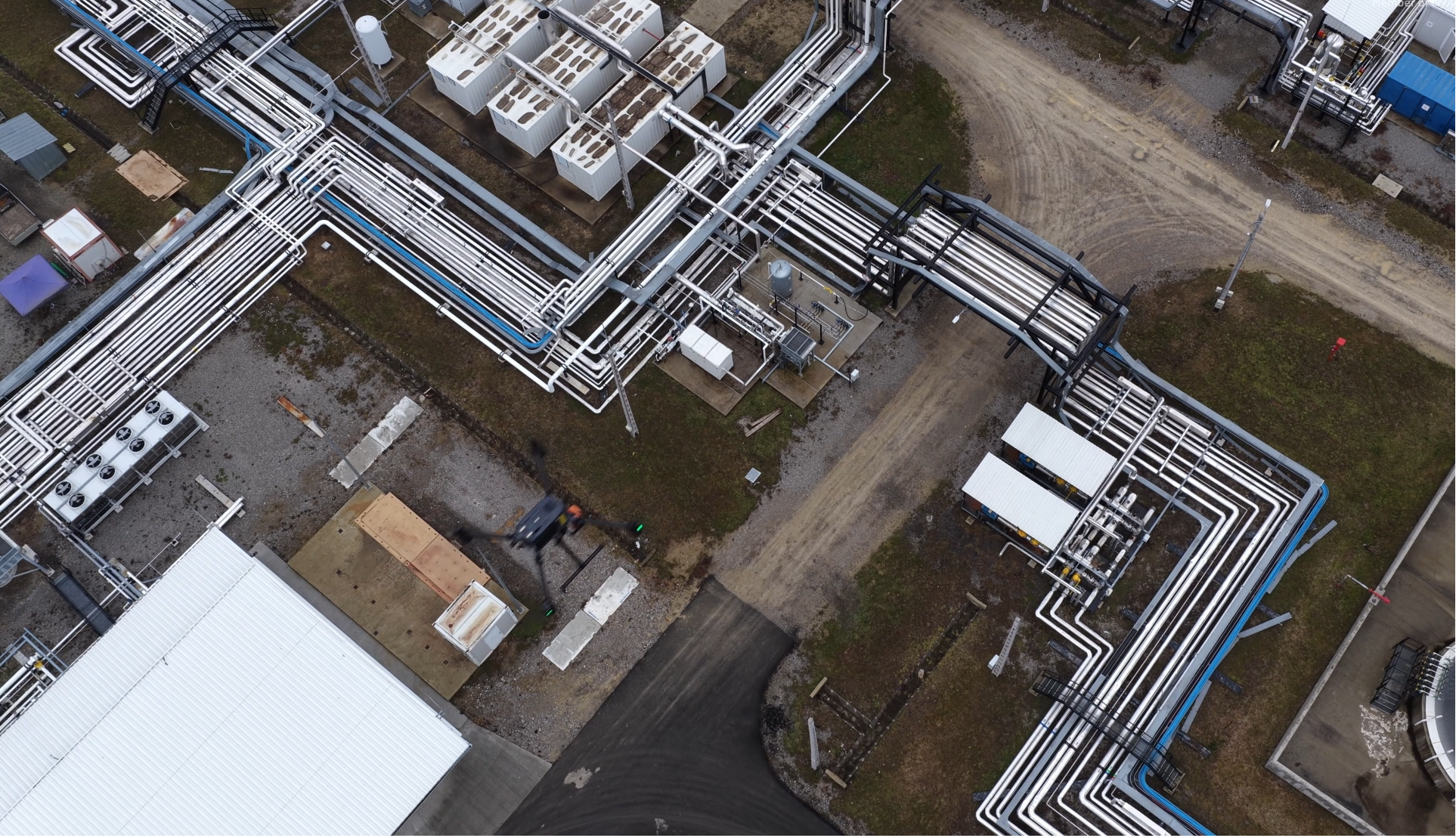
PART 04 Multiple Technologies Support Different LDAR Tasks
No single detection technology is suitable for every facility, gas or inspection objective. LDAR programmes may use different technologies for screening, localization, measurement and verification.
Portable analysers: component-level confirmation
Portable instruments are commonly used to inspect valves, pumps, connectors and other accessible components at close range.
In the United States, EPA Method 21 provides a conventional instrument-based approach for determining VOC leaks from process equipment. Measurements are taken close to the component surface and compared with an applicable leak definition.[5]
This method can provide component-level readings but may be time-consuming at large facilities containing thousands of potential leak points.
Optical Gas Imaging: making leaks visible
Optical Gas Imaging (OGI) uses the infrared absorption characteristics of detectable gases to produce a visible representation of an otherwise invisible plume.
OGI can help operators observe:
- The approximate leak location
- Plume movement and direction
- Dispersion behaviour
- Changes in the visible plume over time
Its wide-area viewing capability makes it useful for rapid screening across equipment-dense areas.
However, conventional qualitative OGI does not automatically provide gas concentration or emission-rate data. Detection performance can also be influenced by gas type, leak characteristics, viewing distance, background contrast, wind and operator technique.
OGI procedures should therefore follow applicable regulations, approved work practices and manufacturer instructions. The U.S. EPA’s Appendix K is one example of a formal protocol governing the use of OGI for leak detection.[6]
TDLAS: remote methane measurement
Tunable Diode Laser Absorption Spectroscopy (TDLAS) detects methane by measuring the absorption of laser energy at a selected wavelength.
Open-path methane instruments commonly report path-integrated concentration in ppm·m. This represents methane concentration integrated along the laser path; it should not be interpreted directly as a point concentration or leak rate.
Depending on the equipment and application, TDLAS can support:
- Remote methane screening
- Inspection of difficult-to-access equipment
- Pipeline and facility surveys
- Repeat measurements at suspected leak locations
- Collection of geo-referenced methane data
TDLAS is methane-specific in many industrial applications, while OGI systems may visualize methane or multiple VOCs depending on their spectral design.
UAV platforms: extending inspection coverage
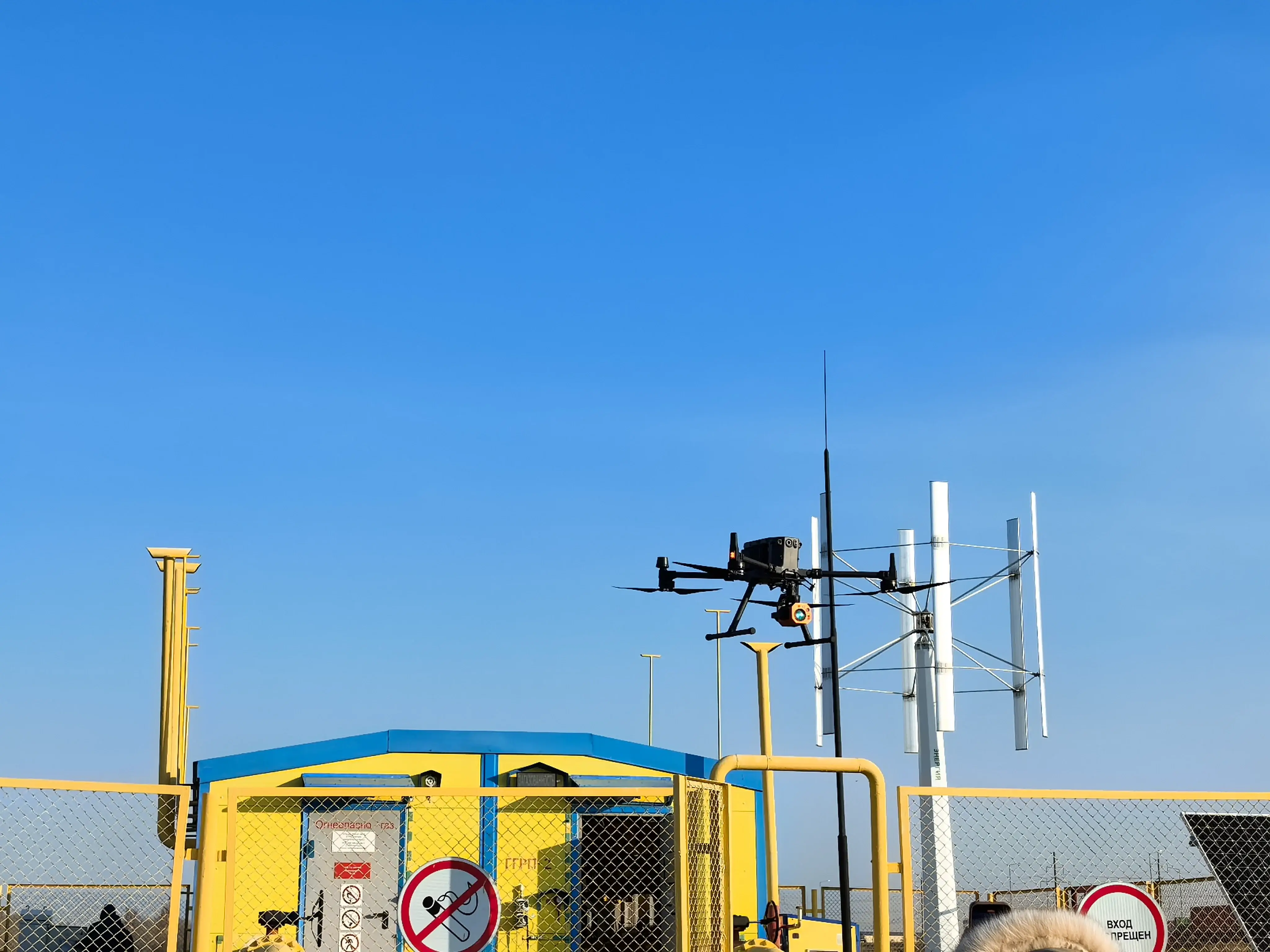
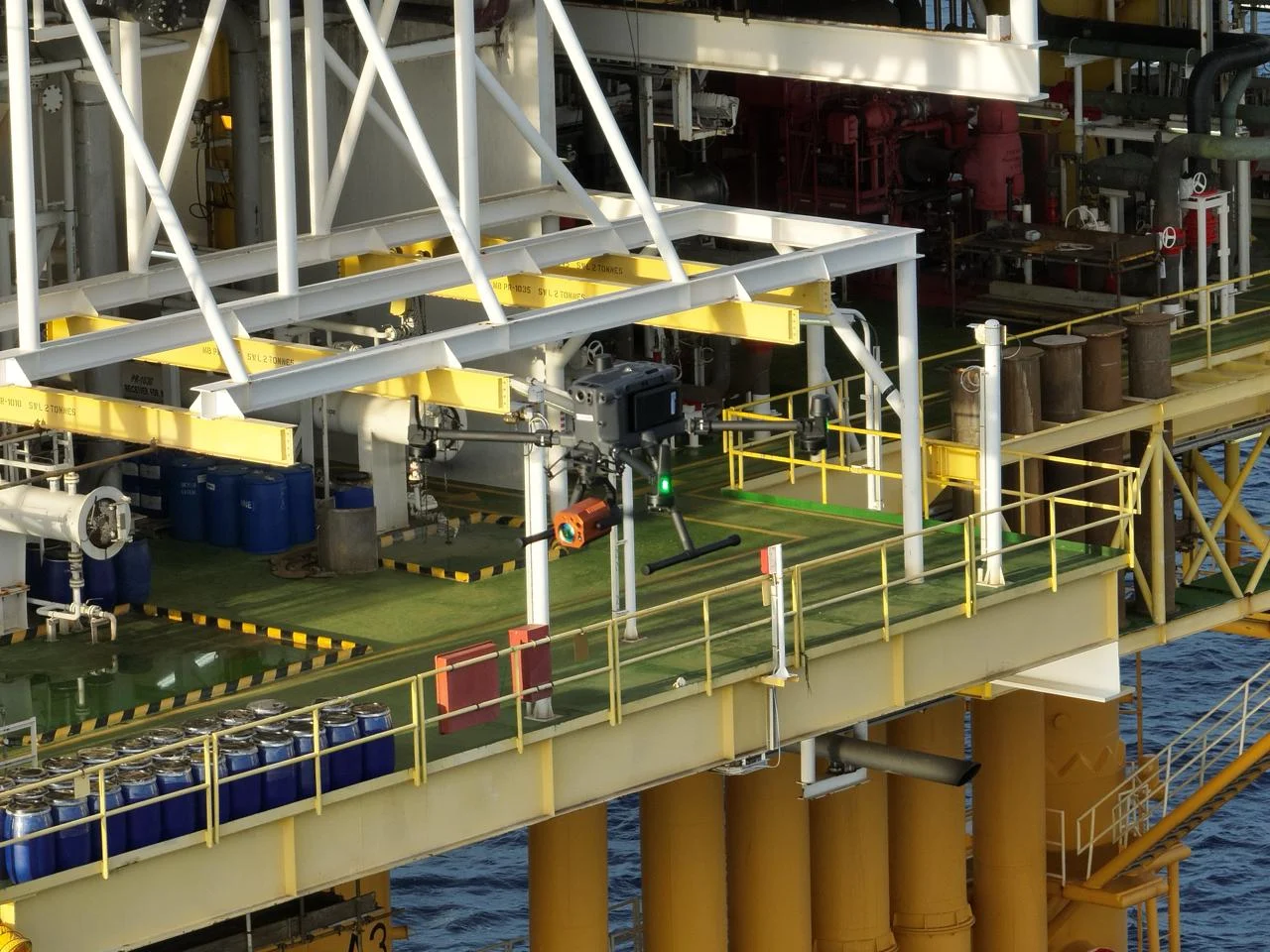
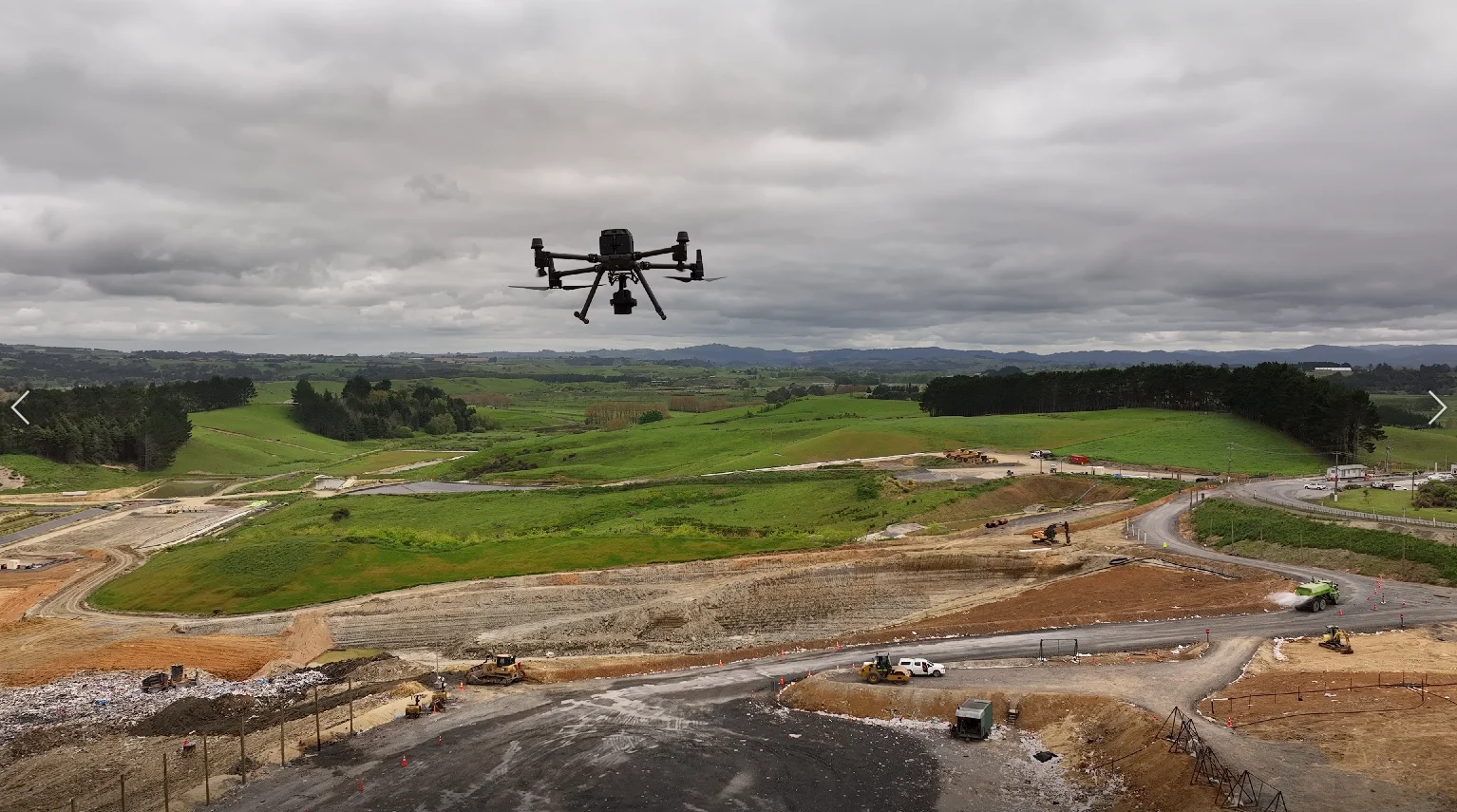
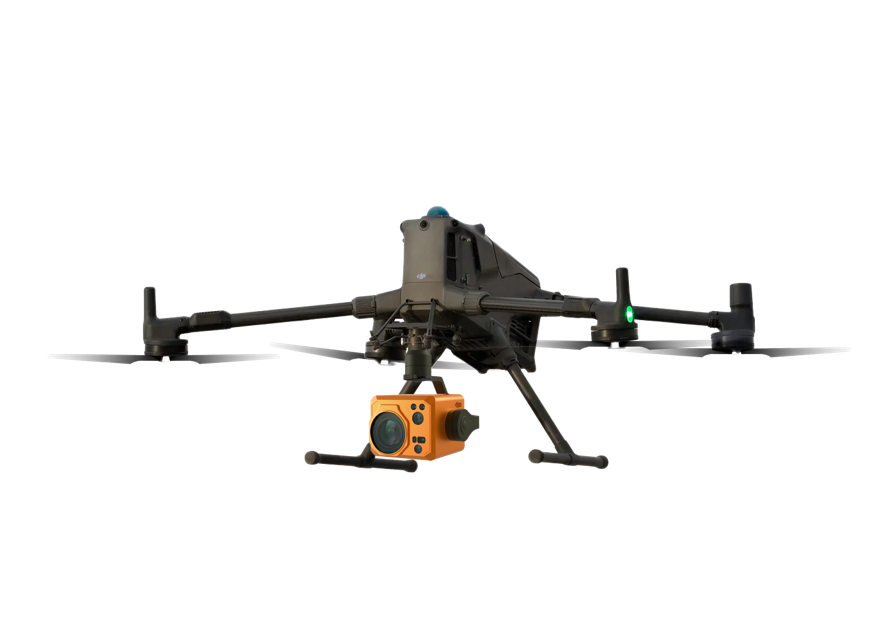
UAVs are deployment platforms rather than detection technologies themselves. When equipped with compatible gas-detection instruments, they can extend inspections to:
- Large storage-tank areas
- Long pipeline corridors
- Elevated equipment
- Remote or difficult terrain
- Complex industrial infrastructure
UAV-based inspections can reduce the need for personnel to enter difficult-to-access areas and improve coverage across large sites. When combined with mission planning, location data and digital reporting systems, they can also support repeatable inspection routes and centralized records.
However, the acceptance of UAV-based methods for regulatory LDAR compliance varies by jurisdiction. Operators should confirm whether a particular instrument, platform and inspection procedure satisfies the applicable requirements.
PART 05 From Periodic Inspections to Data-Driven Leak Management
The future of LDAR is not limited to finding more leaks in less time. Its broader value lies in connecting detection, maintenance and emissions data.
Over time, LDAR records may help operators:
- Identify frequently leaking components
- Compare performance across sites or equipment types
- Analyse leak patterns and recurring failures
- Prioritize higher-risk areas
- Optimize inspection and maintenance schedules
- Evaluate repair effectiveness
- Improve emissions reporting
Digital platforms can connect inspection results with equipment information, locations, repair records and historical trends. This allows LDAR data to support asset management and operational decision-making rather than remaining as isolated inspection records.
A Complete Management Cycle
LDAR has evolved from a regulatory practice focused largely on fugitive VOC emissions into a broader approach supporting methane mitigation, equipment maintenance and emissions management.
Its value does not come from one instrument alone. Effective LDAR depends on the combination of:
- Appropriate detection technologies
- Clearly defined inspection procedures
- Timely repair actions
- Post-repair verification
- Qualified personnel
- Consistent documentation
- Compliance with applicable requirements
As methane regulation and measurement-based reporting continue to develop, LDAR is likely to remain an important tool for improving emissions control and industrial asset reliability.
Disclaimer
This article is for general informational purposes only and does not constitute technical, regulatory or operational advice. LDAR requirements and accepted inspection methods vary by jurisdiction and application. Users should follow applicable regulations, standards and manufacturer instructions.
References
1. U.S. Environmental Protection Agency. Leak Detection and Repair: A Best Practices Guide. View the EPA guide
2. European Parliament and Council of the European Union. Regulation (EU) 2024/1787 on the Reduction of Methane Emissions in the Energy Sector. View the regulation on EUR-Lex
3. International Energy Agency. Global Methane Tracker 2026: Key Findings. View the IEA report
4. United Nations Environment Programme. Oil and Gas Methane Partnership 2.0. View the OGMP 2.0 overview
5. U.S. Environmental Protection Agency. Method 21—Determination of Volatile Organic Compound Leaks. View EPA Method 21
6. U.S. Environmental Protection Agency. Appendix K—Determination of VOC and Greenhouse Gas Leaks Using Optical Gas Imaging.