






Introduction
Municipal solid waste landfills are widely recognized as a significant source of anthropogenic methane (CH₄) emissions. Methane is produced during the anaerobic decomposition of organic waste and may continue to be generated for many years after waste placement or landfill closure. As governments, environmental agencies, and industry stakeholders place increasing attention on greenhouse gas management, landfill methane monitoring has become an important component of environmental assessment and emission management programs.
This article provides an overview of methane generation in landfills, commonly used monitoring approaches, current technical challenges, and emerging developments in methane monitoring technologies.
Methane Generation in Landfills
Landfill methane is primarily generated through the biological decomposition of biodegradable materials under oxygen-limited conditions. Common waste streams contributing to methane production include:
- Food waste
- Paper and cardboard products
- Yard and garden waste
- Wood materials
- Other organic matter
The rate and volume of methane generation may vary depending on numerous factors, including waste composition, moisture content, temperature, landfill design, operational practices, and age of the waste mass.
According to published research, methane generation can continue for several decades, although production rates typically decline over time as biodegradable material becomes depleted.
Environmental and Operational Considerations
Methane emissions from landfills are frequently discussed within the broader context of climate change mitigation and environmental management.
Under commonly used climate assessment frameworks, methane is generally considered to have a higher near-term warming potential than carbon dioxide. Consequently, methane emissions are often included in greenhouse gas inventories and environmental reporting programs.
In addition to climate-related considerations, landfill gas management may also be relevant for:
- Landfill gas recovery projects
- Site operational planning
- Environmental monitoring programs
- Infrastructure maintenance activities
- Health and safety management
The significance of these factors may vary depending on site-specific conditions and applicable regulatory requirements.
Conventional Monitoring Approaches
A variety of methods have been developed to monitor methane emissions from landfill sites.
Surface Emission Monitoring
Surface emission monitoring involves measuring methane concentrations above landfill cover systems using portable gas analyzers.
Potential advantages include:
- Established methodology
- Relatively straightforward field deployment
Potential limitations include:
- Labor-intensive data collection
- Limited spatial coverage during individual surveys
Flux Chamber Measurements
Flux chambers are commonly used in research and environmental studies to estimate methane emission rates from localized areas.
Potential advantages include:
- Direct measurement of surface emissions
Potential limitations include:
- Small sampling footprint
- Limited representation of site-wide emission variability
Ground-Based Surveys
Ground personnel may conduct inspections using handheld methane detection instruments around gas wells, pipelines, and landfill infrastructure.
Potential advantages include:
- Detailed inspection of specific assets
Potential limitations include:
- Time requirements for large sites
- Accessibility constraints in certain areas
Emerging Monitoring Technologies
Advances in sensing technologies have led to the development of several additional monitoring approaches.
Vehicle-Based Monitoring
Mobile monitoring systems mounted on vehicles may be used to collect methane concentration data across larger areas.
These systems can provide increased survey efficiency where site access conditions permit.
Unmanned Aerial Systems
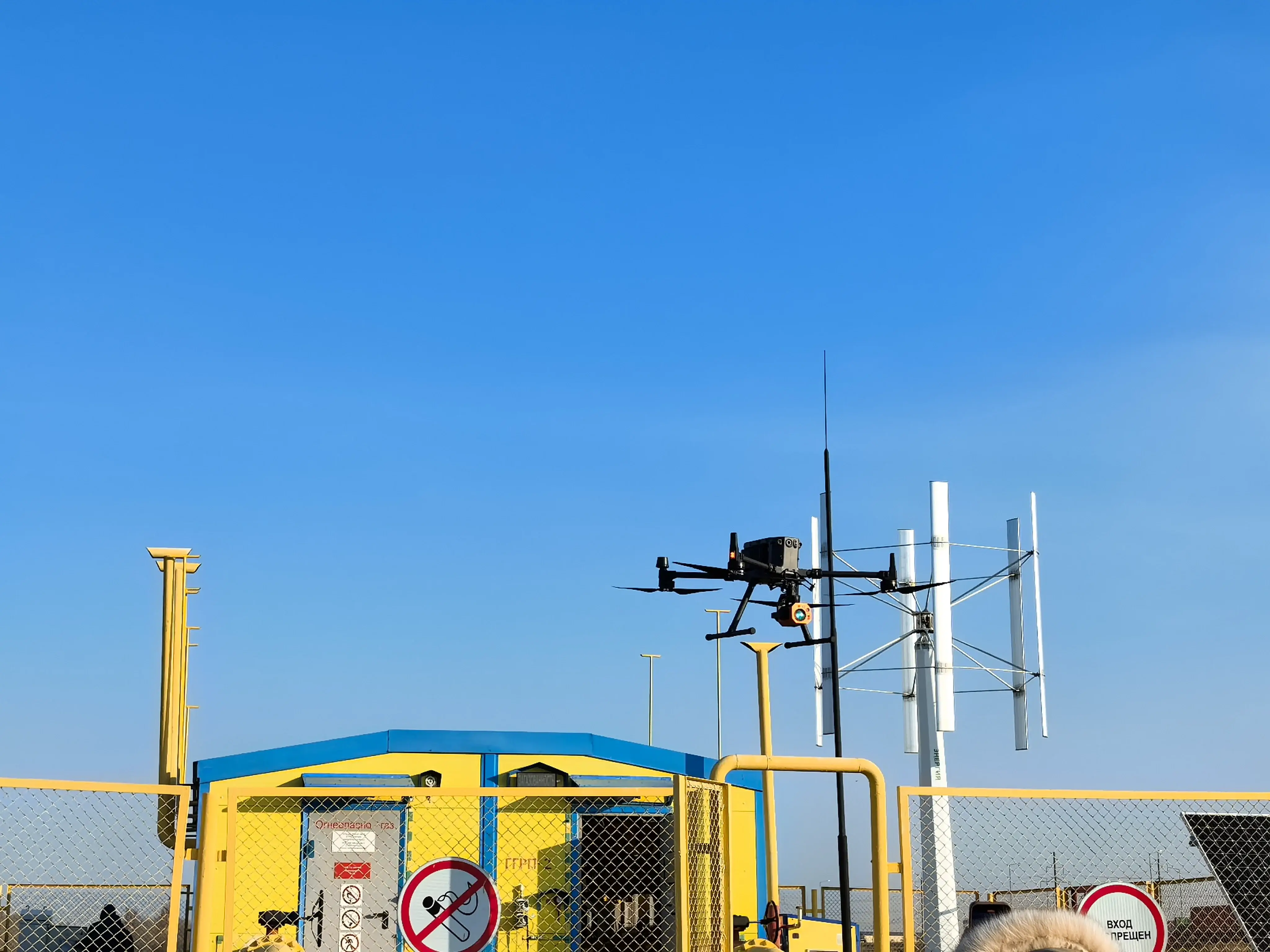
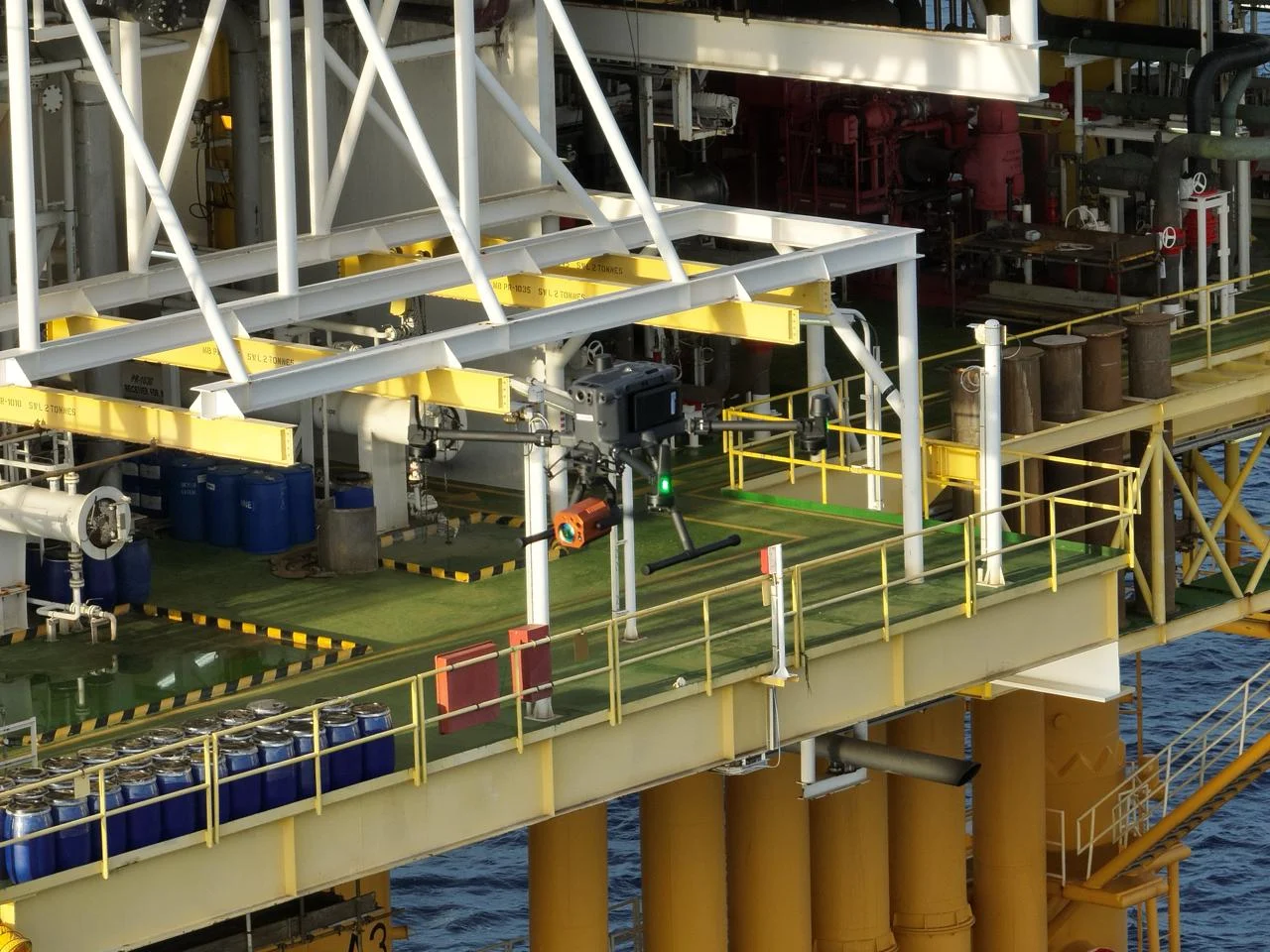
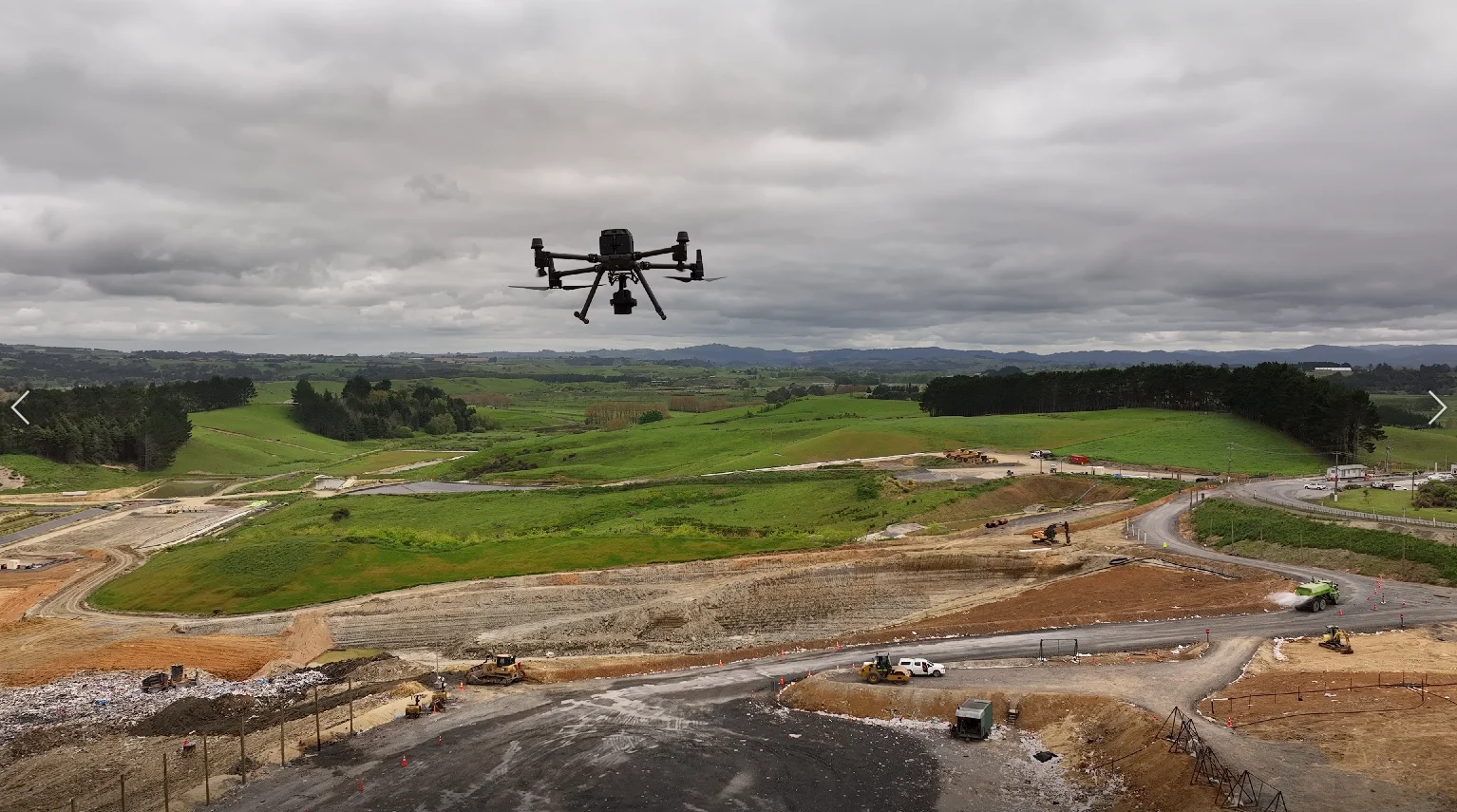
Unmanned aerial systems (UAS), commonly referred to as drones, have increasingly been evaluated for methane monitoring applications.
Potential benefits reported in published studies include:
- Access to difficult or restricted terrain
- Rapid site screening
- Reduced field exposure for personnel
- Repeatable survey routes
Performance characteristics may vary depending on sensor technology, environmental conditions, flight parameters, and monitoring objectives.
Optical Gas Imaging
Optical gas imaging technologies use infrared imaging techniques to visualize certain gas emissions under suitable operating conditions.
These systems may assist in identifying potential emission sources, although detection capabilities can be influenced by environmental factors such as temperature, wind conditions, and background contrast.
Satellite-Based Observation
Recent developments in satellite monitoring have expanded the ability to identify large methane emission sources at regional and global scales.
While satellite observations may provide valuable insights into broader emission patterns, spatial resolution and detection thresholds may limit their application for smaller or intermittent landfill emissions.
Challenges in Methane Quantification
Despite continued technological advancement, methane quantification remains a complex task.
Several factors may influence measurement results, including:
- Wind speed and direction
- Atmospheric stability
- Surface characteristics
- Sensor performance
- Temporal variability of emissions
Landfill methane emissions are often heterogeneous and may vary across both time and location. As a result, individual measurements may not always represent long-term emission behavior.
Many researchers recommend combining multiple monitoring approaches where appropriate to improve overall understanding of site conditions.
Emerging Trends
Several trends are shaping the future development of landfill methane monitoring.
Increased Automation
Automated monitoring systems are being explored to support more frequent data collection and reduce reliance on manual inspections.
Multi-Platform Monitoring
Researchers and industry practitioners continue to investigate the integration of ground-based measurements, aerial surveys, and satellite observations to provide complementary datasets.
Advanced Data Analytics
Machine learning, data fusion techniques, and atmospheric modeling tools are increasingly being studied as methods for interpreting methane monitoring data.
Continuous Monitoring Approaches
Continuous or near-real-time monitoring technologies may provide additional insight into temporal emission variability compared with periodic inspection methods.
Conclusion
Methane monitoring plays an important role in understanding landfill gas behavior and supporting environmental management activities. A variety of monitoring approaches are currently available, ranging from conventional ground-based surveys to emerging aerial and satellite-based techniques.
Because landfill conditions, operational practices, and monitoring objectives can vary significantly between sites, no single monitoring method is universally applicable. Ongoing research and technological development continue to improve the ability to detect, characterize, and assess methane emissions under a wide range of operating conditions.
As monitoring technologies evolve, the integration of multiple data sources and analytical approaches may contribute to a more comprehensive understanding of landfill methane dynamics.
Disclaimer
This article is provided for informational and educational purposes only. It does not constitute legal, regulatory, environmental, engineering, or professional advice. Monitoring requirements, methodologies, and compliance obligations may vary by jurisdiction and site-specific conditions. Readers should consult applicable regulations and qualified professionals when making operational, environmental, or compliance-related decisions.
References
1. Intergovernmental Panel on Climate Change (IPCC). Climate Change 2021: The Physical Science Basis. Cambridge University Press, 2021.
2. United Nations Environment Programme (UNEP). Global Methane Assessment. UNEP, 2021.
3. U.S. Environmental Protection Agency (EPA). Overview of Greenhouse Gases: Methane.
4. U.S. Environmental Protection Agency (EPA). Landfill Methane Outreach Program (LMOP) Technical Resources.
5. Agency for Toxic Substances and Disease Registry (ATSDR). Landfill Gas Primer: An Overview for Environmental Health Professionals.
6. Scheutz, C., Kjeldsen, P., Bogner, J. E., et al. “Microbial Methane Oxidation Processes and Technologies for Mitigation of Landfill Gas Emissions.” Waste Management & Research.
7. Spokas, K., Bogner, J., Chanton, J., et al. “Methane Mass Balance at Three Landfill Sites: What Is the Efficiency of Capture by Gas Collection Systems?” Waste Management.
8. Global Methane Initiative. Landfill Methane Recovery and Use Opportunities.
9. International Solid Waste Association (ISWA). Landfill Operational Guidelines.
10. Journal of Environmental Management. Selected publications on landfill methane monitoring and emission assessment.