






Introduction
Environmental, Social, and Governance (ESG) frameworks have become an increasingly important component of corporate sustainability reporting across the global energy, industrial, and infrastructure sectors. Within this context, methane (CH₄) has received growing attention due to its relatively high global warming potential and its relevance to emissions accounting methodologies.
Methane emissions are commonly associated with activities such as natural gas production, processing, transportation, and distribution, as well as waste management and industrial operations. As ESG disclosure requirements evolve, organizations are increasingly expected to quantify, monitor, and report methane emissions using transparent and verifiable methodologies.
Methane monitoring plays a central role in supporting ESG-related reporting processes. Depending on regulatory frameworks and internal governance structures, methane data may be incorporated into greenhouse gas inventories, sustainability reports, and third-party assurance assessments.
This article provides an overview of methane monitoring approaches in the context of ESG compliance, including commonly used technologies, reporting frameworks, methodological challenges, and emerging trends in emissions measurement and verification.
Methane in ESG and Climate Reporting Frameworks
Methane is typically included within Scope 1 greenhouse gas emissions under widely used reporting frameworks such as the Greenhouse Gas Protocol. In many ESG disclosure systems, methane is converted into carbon dioxide equivalent (CO₂e) using global warming potential (GWP) factors derived from scientific assessment reports.
International initiatives such as the Global Methane Pledge, OGMP 2.0, and various national regulatory programs have contributed to increased emphasis on methane-specific monitoring and reporting.
In ESG reporting contexts, methane data is generally used for:
- Corporate greenhouse gas inventories
- Emissions intensity calculations
- Climate risk disclosure
- Regulatory compliance reporting
- Third-party verification and auditing processes
The level of reporting granularity may vary depending on industry sector, jurisdiction, and applicable disclosure standards.
Methane Monitoring Approaches for ESG Applications
A variety of methane monitoring methods are used to support ESG reporting and emissions quantification. These methods differ in spatial resolution, measurement principles, and operational complexity.
Ground-Based Monitoring
Ground-based methane monitoring typically involves the use of handheld gas detectors, fixed sensors, or portable analytical instruments. These systems provide localized measurements at specific emission points.
In ESG applications, ground-based data is often used for:
- Equipment-level emissions assessment
- Leak detection and repair (LDAR) programs
- Validation of reported emission sources
While widely used, ground-based approaches may provide limited spatial coverage depending on inspection frequency and site accessibility.
Mobile and Vehicle-Based Surveys
Vehicle-mounted methane detection systems are sometimes used to collect emissions data across larger geographic areas. These systems can provide higher coverage than manual inspections under suitable operational conditions.
In ESG reporting workflows, such data may contribute to:
- Distribution network emissions mapping
- Urban gas infrastructure surveys
- Regional emissions estimation studies
The representativeness of results may depend on route design and sampling frequency.
Aerial and Drone-Based Monitoring
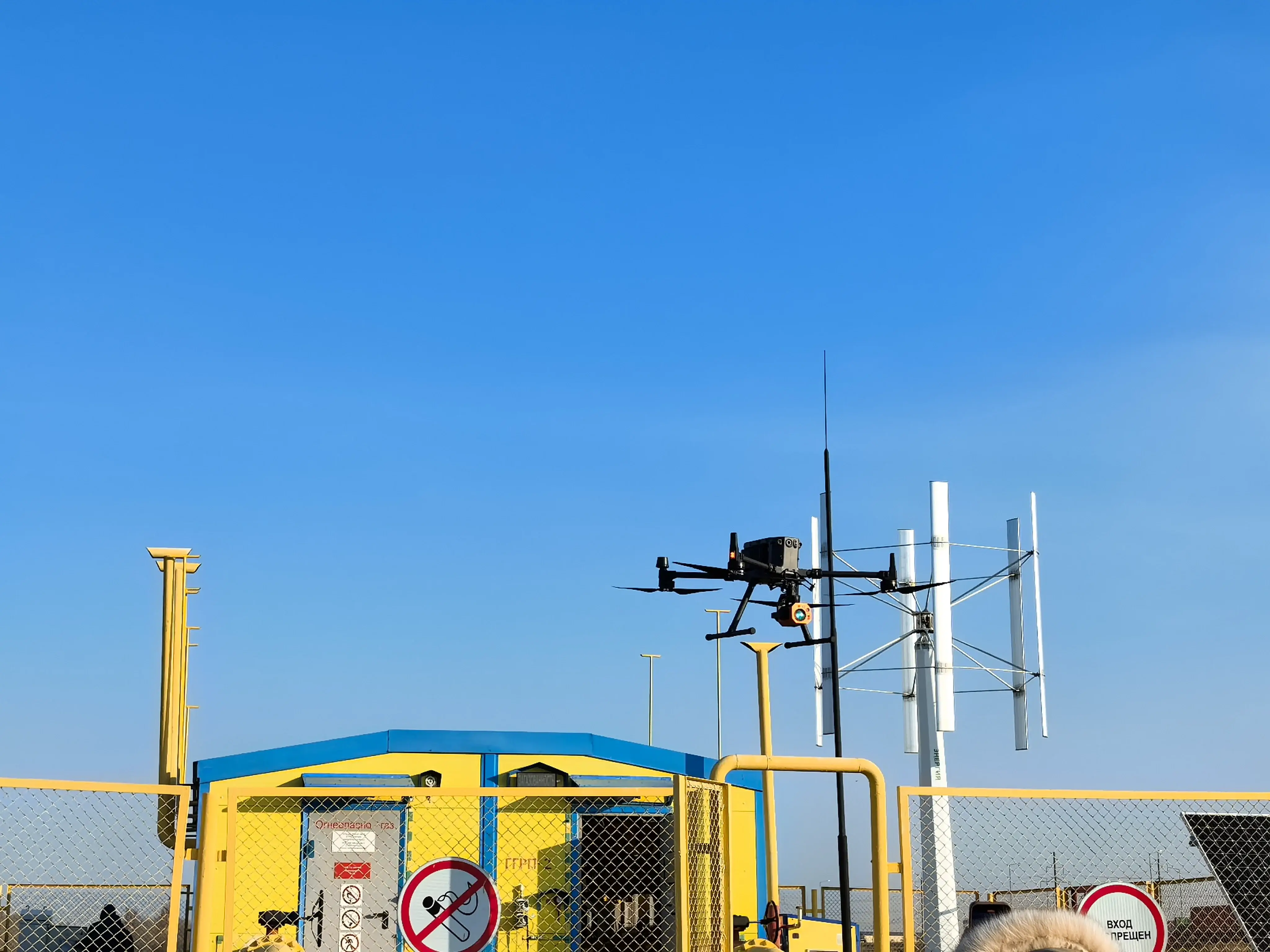
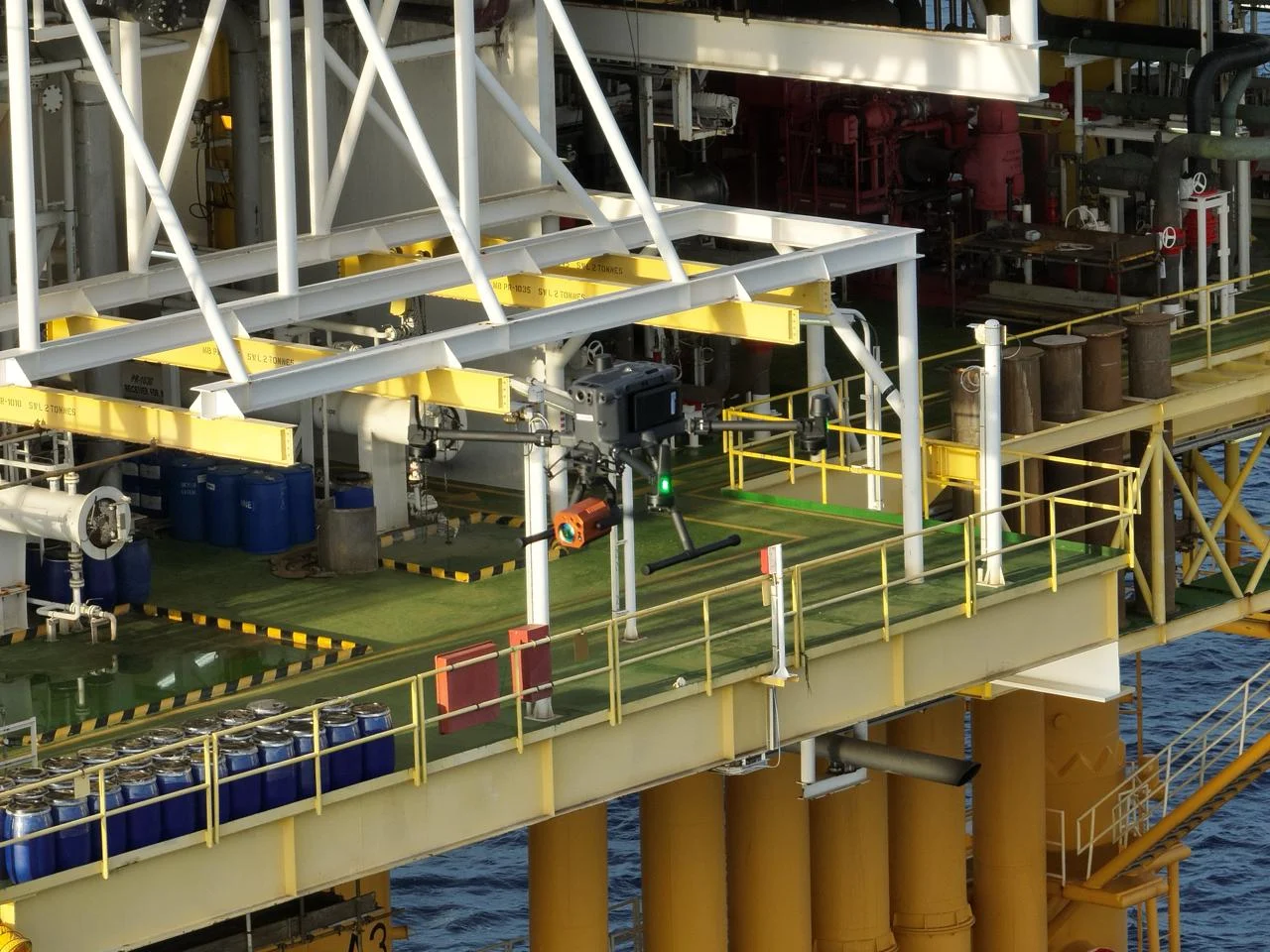
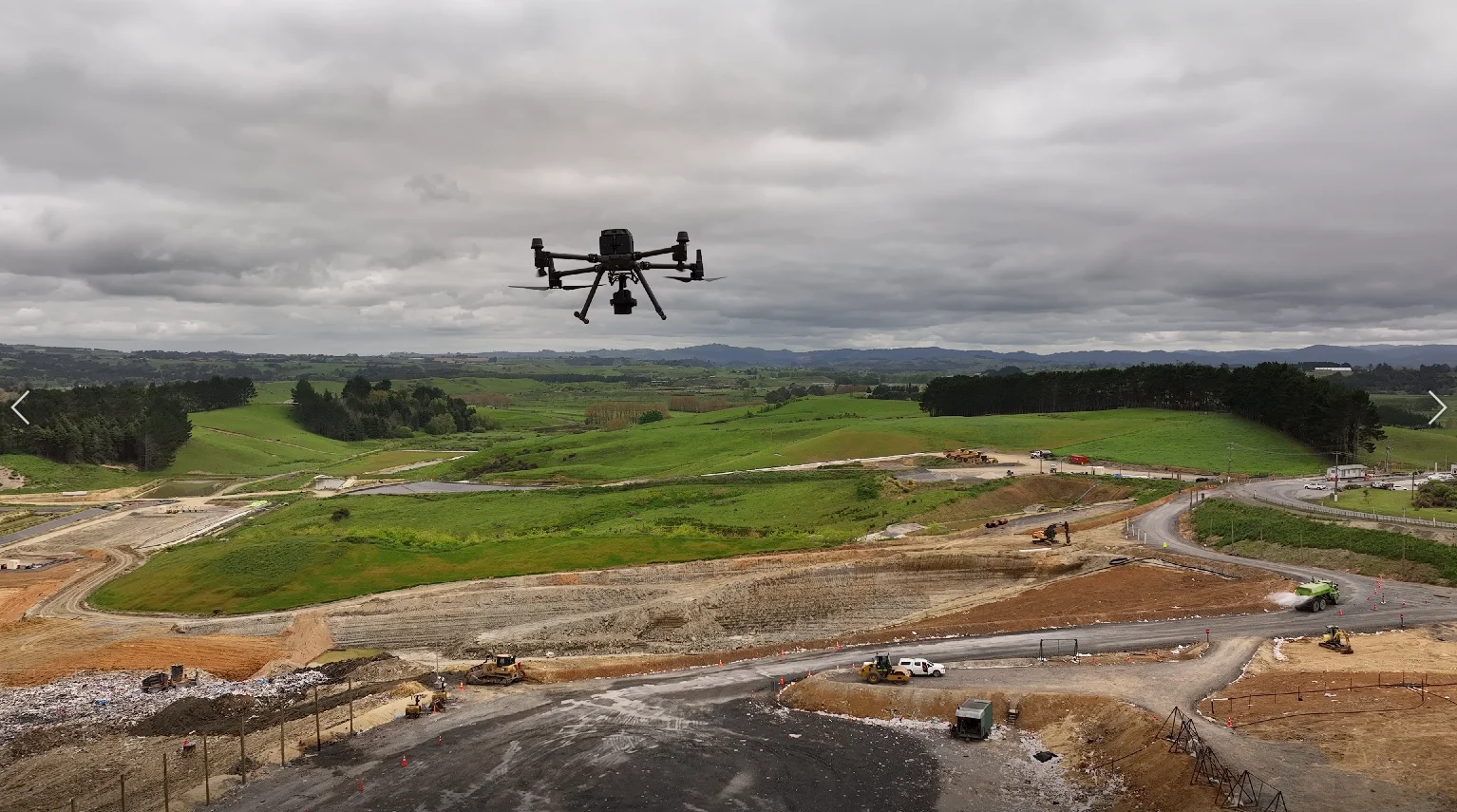
Unmanned aerial systems (UAS), commonly referred to as drones, have been increasingly used in methane monitoring applications. These systems integrate gas sensing technologies with aerial platforms to collect spatially distributed measurements.
Common sensing approaches include:
- Tunable Diode Laser Absorption Spectroscopy (TDLAS)
- Optical Gas Imaging (OGI)
- Multi-sensor configurations
In ESG-related workflows, UAV-based systems are often used to support:
- Facility-wide emissions screening
- Identification of potential emission sources
- Supplementary data collection for reporting inventories
Data collected from UAV systems is typically processed into georeferenced datasets, which may be integrated into emissions reporting systems or GIS platforms.
Satellite-Based Observations
Satellite remote sensing has been increasingly used to detect and estimate large-scale methane emissions. These systems provide regional or global coverage and are often used in academic research and policy analysis.
However, spatial resolution and detection thresholds may limit their applicability for site-level ESG reporting in some industrial contexts.
Measurement, Reporting, and Verification (MRV) in ESG Systems
Methane monitoring is closely linked to Measurement, Reporting, and Verification (MRV) systems used in ESG frameworks. MRV systems aim to ensure that emissions data is:
- Measured using defined methodologies
- Reported in a consistent format
- Verified through internal or third-party review
Different organizations may adopt different MRV approaches depending on regulatory requirements and reporting standards.
In general, methane MRV systems may integrate multiple data sources, including:
- Direct measurement data
- Emission factor-based estimates
- Remote sensing observations
- Engineering calculations
The combination of multiple data streams is often used to improve completeness and reduce uncertainty in emissions inventories.
Challenges in Methane ESG Reporting
Despite advances in monitoring technologies, methane reporting for ESG purposes presents several methodological challenges.
Data Variability
Methane emissions may vary significantly over time due to operational conditions, environmental factors, and system variability. This can introduce uncertainty in periodic measurements.
Methodological Differences
Different measurement technologies may produce results with varying spatial and temporal characteristics, making direct comparison complex in some cases.
Boundary Definitions
Defining organizational and operational boundaries for emissions accounting can influence reported results, particularly in complex supply chains.
Uncertainty Management
ESG reporting frameworks often require estimation of uncertainty ranges, which may depend on data quality and methodological assumptions.
Emerging Trends in ESG-Driven Methane Monitoring
Several trends are shaping the future of methane monitoring in ESG contexts.
Increased Digitalization
Methane data is increasingly being integrated into digital ESG platforms, allowing centralized management of emissions data and reporting workflows.
Multi-Source Data Integration
Organizations are increasingly combining ground-based measurements, aerial surveys, and satellite data to improve emissions estimation robustness.
Standardization of Reporting Frameworks
International initiatives are working toward more standardized methane reporting methodologies to improve comparability across industries and regions.
Transition Toward Continuous Monitoring
There is growing interest in higher-frequency monitoring approaches that provide more dynamic insights into emissions behavior, although implementation depends on technical and economic feasibility.
Conclusion
Methane monitoring plays an important role in supporting ESG compliance and greenhouse gas reporting frameworks. A range of monitoring technologies, including ground-based instruments, mobile systems, aerial platforms, and satellite observations, contribute to methane emissions assessment under different operational conditions.
In ESG contexts, no single monitoring approach is universally sufficient. Instead, methane reporting often relies on a combination of measurement techniques and estimation methods to achieve a balance between accuracy, coverage, and practicality.
As ESG frameworks continue to evolve, methane monitoring is expected to become more integrated with digital reporting systems and multi-source data architectures, supporting improved transparency and consistency in emissions disclosure.
Disclaimer
This document is intended for informational and educational purposes only. It does not constitute legal, regulatory, financial, or environmental compliance advice. ESG reporting requirements and methane monitoring methodologies may vary depending on jurisdiction, industry standards, and organizational practices. Professional guidance should be sought for implementation in specific contexts.
References
1. Greenhouse Gas Protocol. Corporate Accounting and Reporting Standard.
2. United Nations Environment Programme (UNEP). Global Methane Assessment.
3. International Energy Agency (IEA). Global Methane Tracker.
4. Oil & Gas Methane Partnership 2.0 (OGMP 2.0) Technical Guidance.
5. Intergovernmental Panel on Climate Change (IPCC). Emissions Measurement Guidelines.
6. European Union. Methane Emissions Regulation Framework (EU 2024/1787).
7. U.S. Environmental Protection Agency (EPA). Greenhouse Gas Reporting Program.
8. National Oceanic and Atmospheric Administration (NOAA). Methane Observation Studies.
9. World Bank. Methane Emissions Reduction and Monitoring Systems Report.