






UNEP's OGMP 2.0 2026 report shows how measurement is becoming a larger part of methane management. The partnership now includes 163 companies operating in 90 countries and covering 43% of global oil and gas production. Of the emissions reported by members, 69% now use measurement-based data.
For inspection teams, our reading is that the opportunity extends beyond collecting more readings: it lies in helping operators investigate findings and decide where to act.
Drone-Based Measurement Has an Established Role
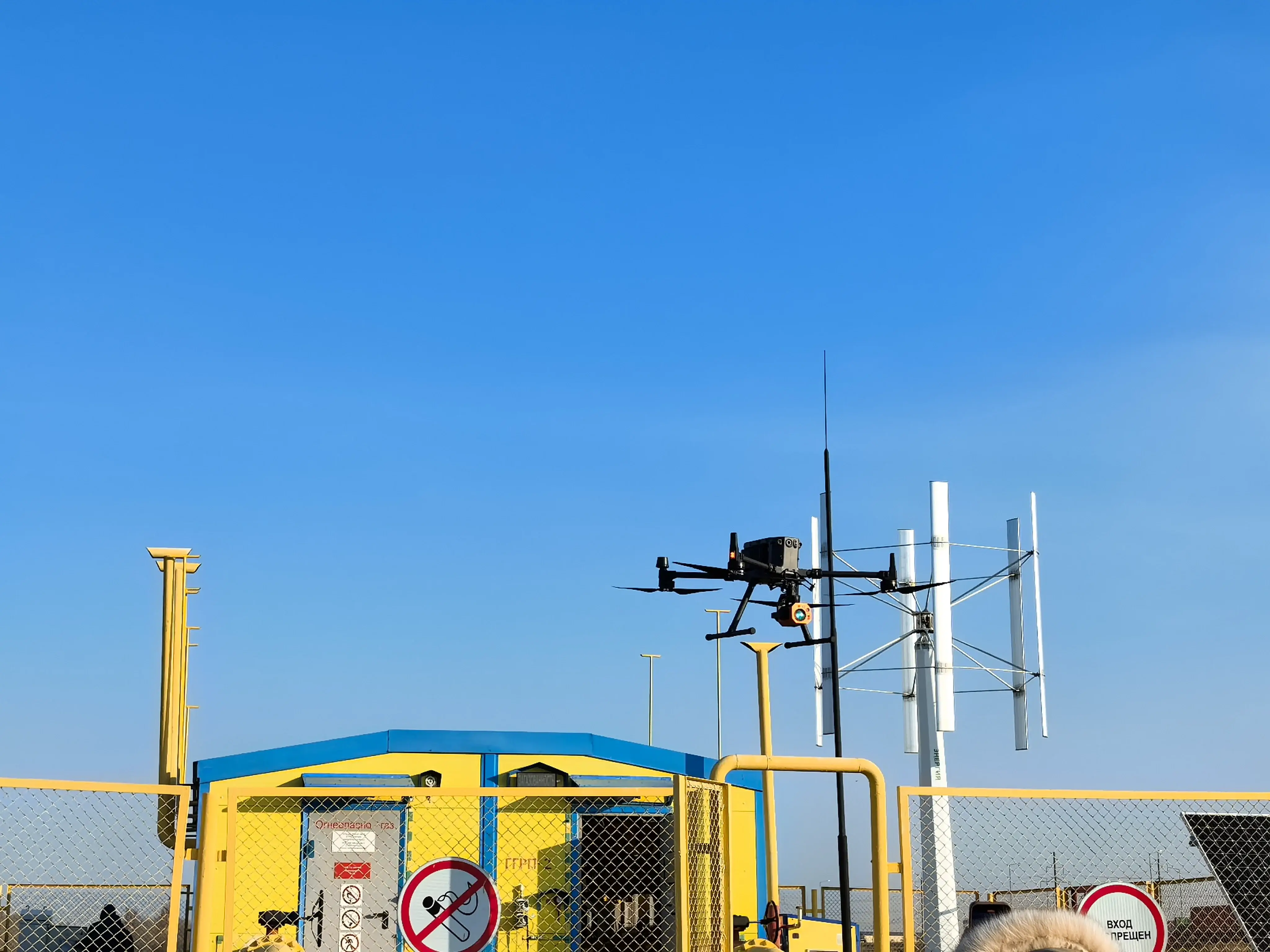
Among upstream assets accepted at Level 5, drone-based surveys were the predominant site-level approach outside North America. Drone-based approaches were also the most commonly used in the midstream segment. These findings describe the assets analysed in the report.
This provides useful context for operators considering aerial inspection. A drone is a deployment platform; its suitability for a task depends on the sensor, measurement method and survey design.
OGMP 2.0’s reconciliation guidance asks operators to consider detection thresholds, technology validation, site characteristics and weather when selecting site-level measurement methods.
Better Coverage Can Reveal Overlooked Sources
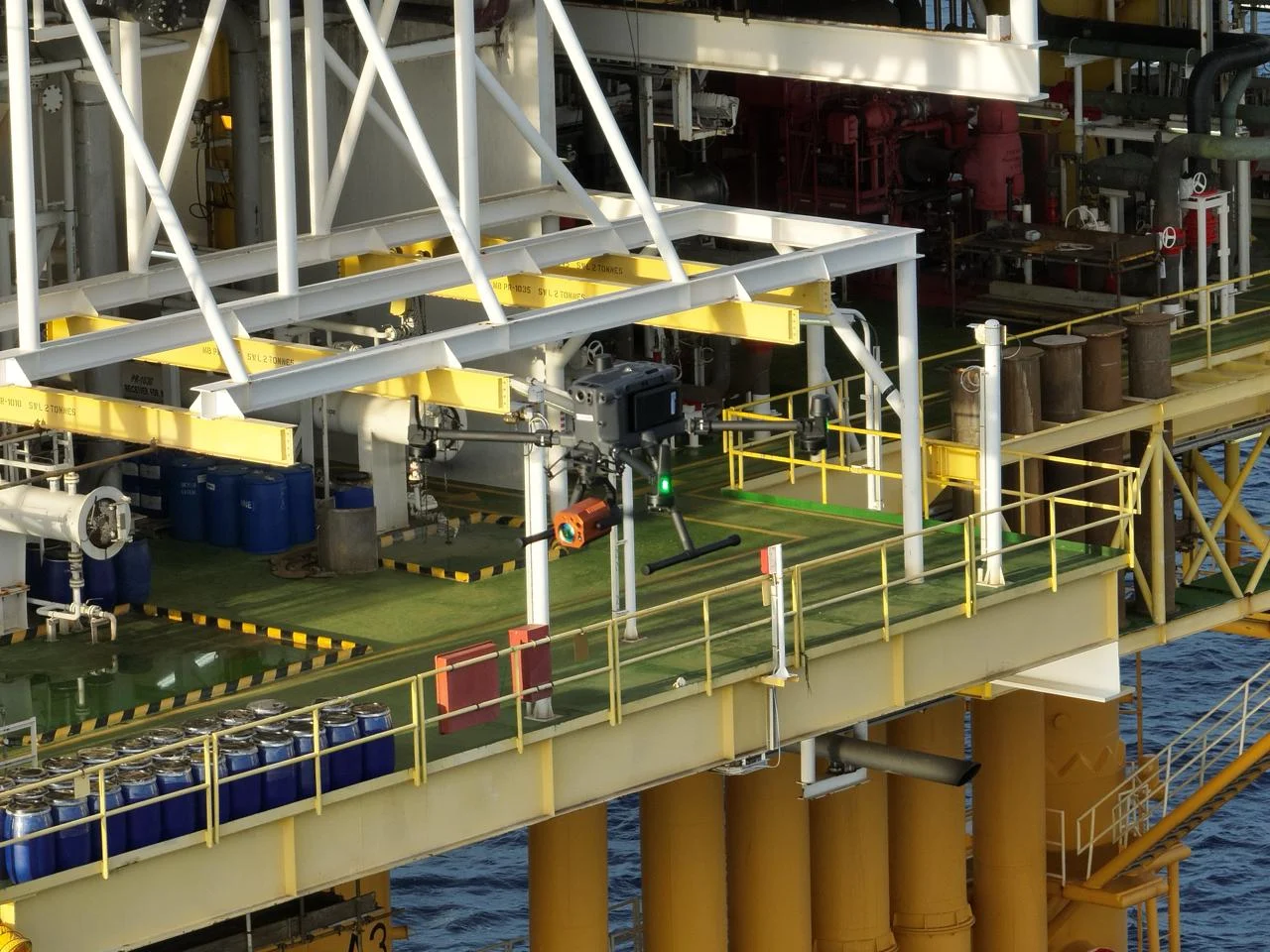
The report describes cases at LNG liquefaction facilities where site-level measurements identified methane emissions from elevated valves that could be overlooked during conventional leak detection and repair surveys.
Our practical takeaway is to review what an inspection actually covers. Equipment height, viewing angles and access restrictions should inform survey planning, alongside the list of components to inspect.
Operators can ask three useful questions:
- Which areas cannot be adequately inspected from the planned route
- What additional viewpoint or method could address those gaps
- How will a suspected source be investigated and confirmed?
The objective is to choose complementary methods that address the conditions at each facility.
Detection and Quantification Serve Different Tasks
A methane anomaly provides a reason to investigate. It does not, by itself, establish an emission rate or complete an emissions inventory.
Under OGMP 2.0, Level 5 requires reconciliation between a source-level Level 4 inventory and site-level measurements. Its technical clarification also notes that operators should expect to combine approaches, since no site-level technology is known to resolve every source in every situation.
For operators, this distinction helps define equipment requirements. Screening, source investigation and emissions quantification each need a clear objective and an appropriate method. A detection result can guide further investigation without being presented as a complete emissions estimate.
Useful Data Needs Operational Context
OGMP 2.0’s guidance treats measurement frequency as a risk-based decision, considering emissions variability and source characteristics. It also calls for documentation of measurement methods, campaign results, reconciliation findings and future improvements.
For day-to-day inspection, we recommend carrying that discipline into field records. A useful inspection record should connect a finding with its location, time, operating conditions and follow-up status.
This gives maintenance teams a clearer starting point: where to investigate, what was observed and what still needs confirmation. Keeping repeat inspections and repair records together can also support subsequent review.
From Inspection Findings to Field Action
In our view, the commercial opportunity is strongest where gas detection equipment, inspection applications, data management and technical support work together.
Operators need a practical route from an initial finding to field verification, maintenance and follow-up inspection. Providers that make those steps easier to carry out—and easier to document—can deliver value beyond the detection event itself.
Better methane management depends on both the quality of the measurement and the action that follows.
Source report: UNEP — Oil and Gas Methane Partnership 2.0 2026