




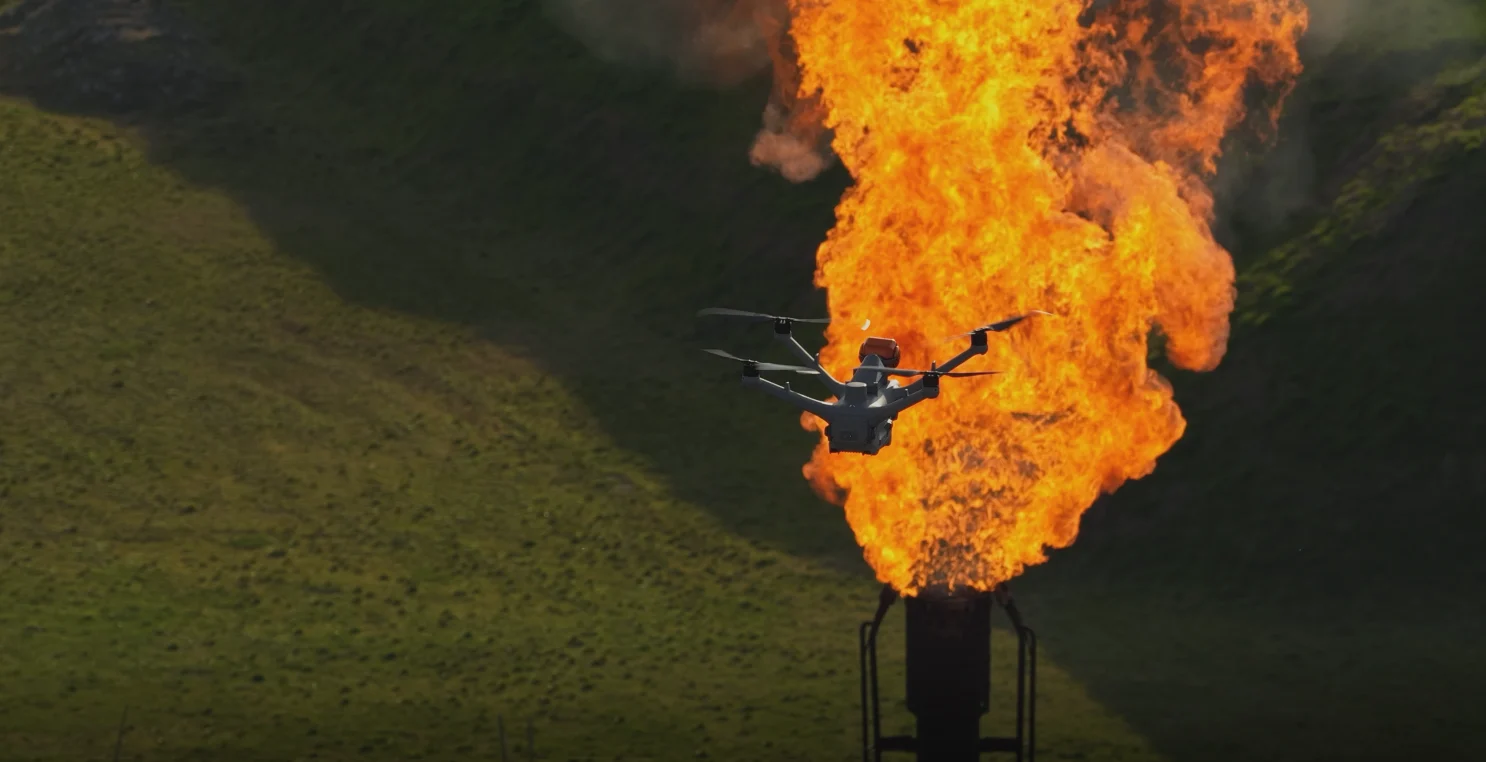

Gas leak management was traditionally driven mainly by process safety and operational reliability. Today, the issue has taken on a broader significance.
As methane reduction targets, emissions regulations, and corporate environmental reporting requirements continue to develop, industrial operators are increasingly expected not only to find leaks, but also to repair them, verify the results, maintain records, and track emissions over time.
This is where LDAR comes in.
LDAR stands for Leak Detection and Repair. It is a systematic approach used to identify and manage fugitive emissions from industrial equipment, particularly in the oil and gas, refining, chemical, and energy sectors.
What Is LDAR?
LDAR is not a single gas detection technology or instrument. It is a structured management program covering the identification, repair, verification, and documentation of leaks.
A typical LDAR process includes:
- Identifying equipment and components that require monitoring
- Conducting inspections at defined intervals
- Detecting and recording potential leaks
- Confirming the source and assessing the finding
- Repairing the affected component
- Verifying that the repair was effective
- Maintaining records for operational or regulatory purposes
Depending on the applicable regulation and facility type, an LDAR program may cover valves, flanges, connectors, pumps, compressors, pressure relief devices, open-ended lines, storage systems, and other potential emission sources.
The specific inspection frequency, leak definition, repair deadline, approved technology, and recordkeeping requirements vary between jurisdictions and regulatory programs.
Where Did LDAR Originate?
Modern LDAR programs developed from efforts in the United States to control fugitive emissions from petroleum refineries and chemical manufacturing facilities.
During the 1970s and 1980s, regulators increasingly focused on emissions of volatile organic compounds, or VOCs, from equipment components such as valves, pumps, connectors, and compressors.
A single component may release only a limited amount of gas. However, large industrial facilities can contain thousands—or even hundreds of thousands—of potential leak points. When combined, these small releases may become a significant source of emissions.
LDAR therefore established a repeatable process based on two fundamental activities:
- Detecting leaks from designated equipment components
- Repairing or replacing the leaking components
Modern programs generally add verification, documentation, data management, and follow-up monitoring to create a more complete control cycle.
LDAR Is More Than a One-Time Inspection
A one-time gas survey provides information about conditions at a particular moment. An LDAR program is designed to manage leaks continuously throughout the operating life of a facility.
The basic workflow can be summarized as:
Detect → Locate → Record → Repair → Verify → Monitor
This closed-loop approach helps operators:
- Identify recurring leakage problems
- Prioritize maintenance activities
- Reduce avoidable product losses
- Improve equipment reliability
- Maintain traceable inspection and repair records
- Support regulatory and environmental reporting
- Compare performance across inspection cycles
The value of LDAR therefore depends not only on detection accuracy, but also on how effectively findings are recorded, assigned, repaired, verified, and analyzed.
Where Is LDAR Commonly Used?
LDAR programs are widely associated with facilities containing large numbers of components through which hydrocarbons, methane, VOCs, or other gases may pass.
Common applications include:
- Oil and gas production facilities
- Petroleum refineries
- Petrochemical and chemical plants
- Natural gas processing facilities
- Compressor and metering stations
- Natural gas transmission and distribution systems
- LNG production, storage, and transport facilities
- Storage terminals and tank farms
- Other industrial facilities with fugitive emission sources
LDAR requirements are not identical across these industries. Operators must determine which equipment, substances, detection methods, and repair procedures are covered by the regulations applicable to each facility.
Why Is Methane Changing the Role of LDAR?
Historically, many LDAR programs focused primarily on VOCs and hazardous air pollutants. Methane management has since become an increasingly important part of leak detection programs, particularly in the energy sector.
Methane leaks can represent:
- A loss of saleable natural gas
- A potential safety or operational concern
- A source of greenhouse gas emissions
- A regulatory and reporting obligation
- An indicator of equipment degradation
This shift can be seen in recent regulations. The US Environmental Protection Agency’s oil and natural gas rules include fugitive-emissions monitoring and repair requirements and provide pathways for certain advanced methane detection technologies.
In the European Union, Regulation (EU) 2024/1787 establishes requirements concerning methane measurement, monitoring, reporting, verification, leak detection, and repair in the energy sector.
However, LDAR requirements differ considerably by country, sector, facility type, and equipment category. A technology suitable for operational screening is not automatically approved as a regulatory compliance method.
Technologies Used in LDAR Programs
No single technology is suitable for every leak, component, facility, and operating environment. Modern LDAR programs may combine several methods according to the required detection limit, inspection scale, accessibility, and regulatory framework.
EPA Method 21 and Portable Gas Analyzers
EPA Method 21 is an instrument-based method used to determine VOC leakage from individual equipment components.
A portable analyzer is positioned close to the potential emission source to measure local gas concentration. The result can then be compared with the leak definition specified by the applicable regulation.
This method can provide component-level measurements but may require inspectors to approach each monitored component individually. It can therefore be labor-intensive at large or difficult-to-access facilities.
Optical Gas Imaging
Optical gas imaging, or OGI, uses the infrared absorption characteristics of certain gases to visualize gas plumes that would otherwise be invisible to the human eye.
OGI can help inspectors:
- Rapidly screen large equipment areas
- Observe the apparent source of a gas plume
- Assess the direction and behavior of plume movement
- Inspect components that are difficult to approach
OGI performance can be affected by gas type, leak rate, viewing distance, wind, background temperature, thermal contrast, camera configuration, and operator technique.
OGI is primarily a visualization and screening method unless it is combined with an approved quantification approach. Seeing a plume does not, by itself, provide an emission rate.
TDLAS Laser Methane Detection
TDLAS stands for Tunable Diode Laser Absorption Spectroscopy. It detects methane by analyzing the absorption of a specific laser wavelength as the beam travels through a methane-containing path.
Remote TDLAS instruments can support:
- Non-contact methane screening
- Inspection from a safer distance
- Rapid coverage of large areas
- Detection around elevated or inaccessible assets
- Collection of path-integrated methane readings
Open-path TDLAS systems commonly report measurements in ppm·m, representing methane concentration integrated along the laser path.
A ppm·m reading is not the same as a point concentration in ppm, and it does not directly represent a methane emission rate. Estimating an emission rate generally requires additional information, such as plume geometry, wind conditions, spatial measurements, and a validated calculation model.
Unmanned Aircraft Systems
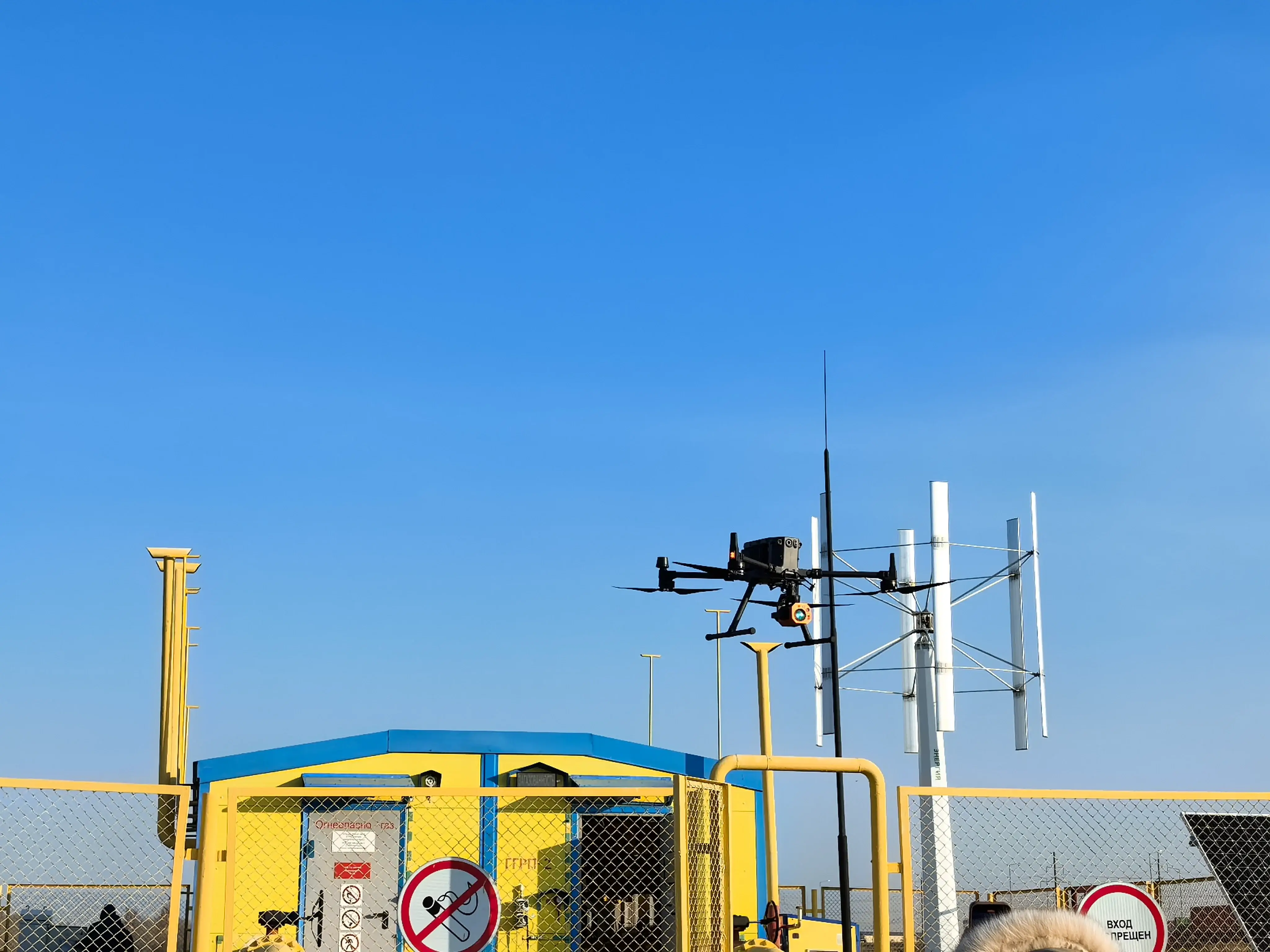
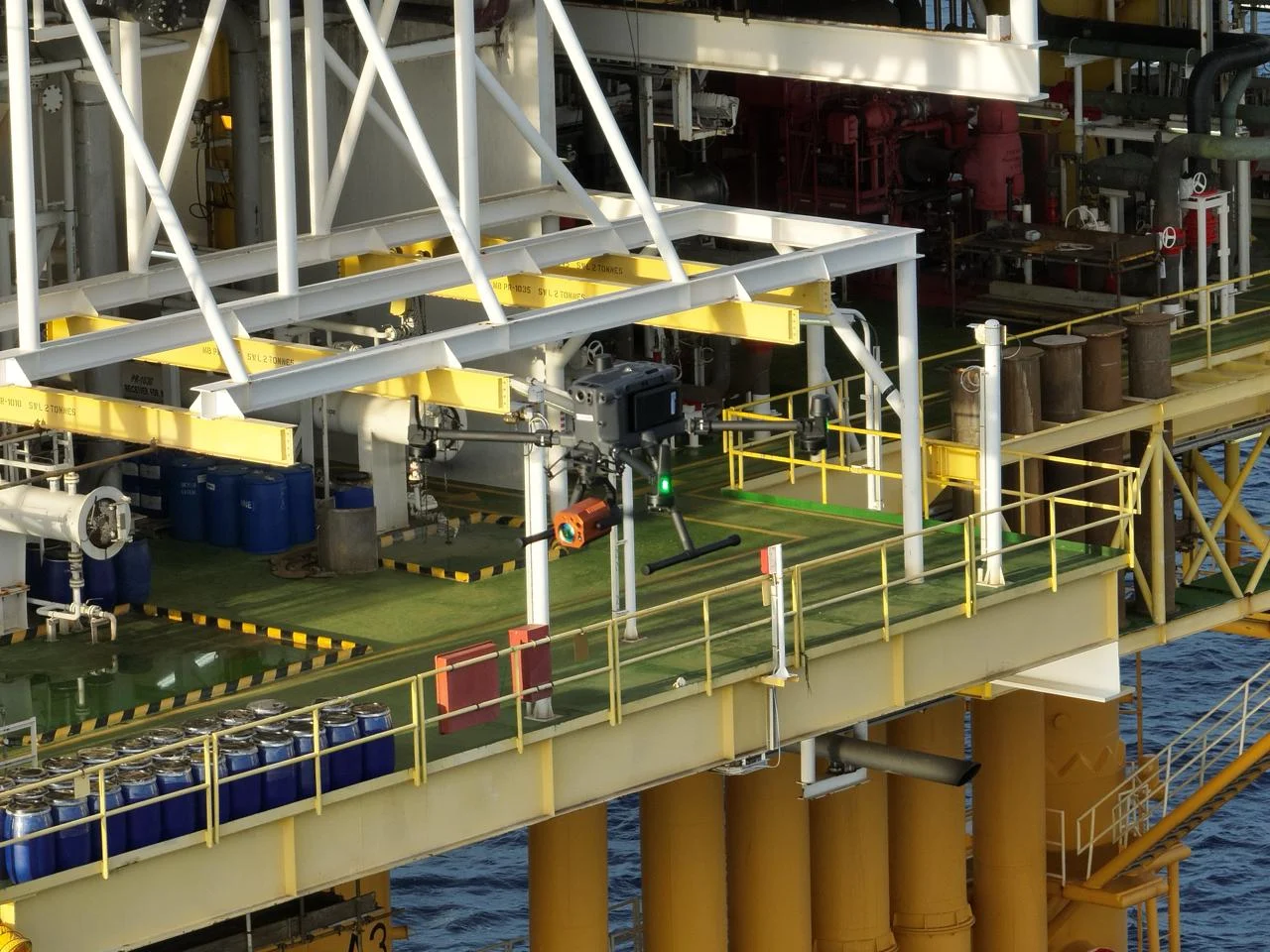
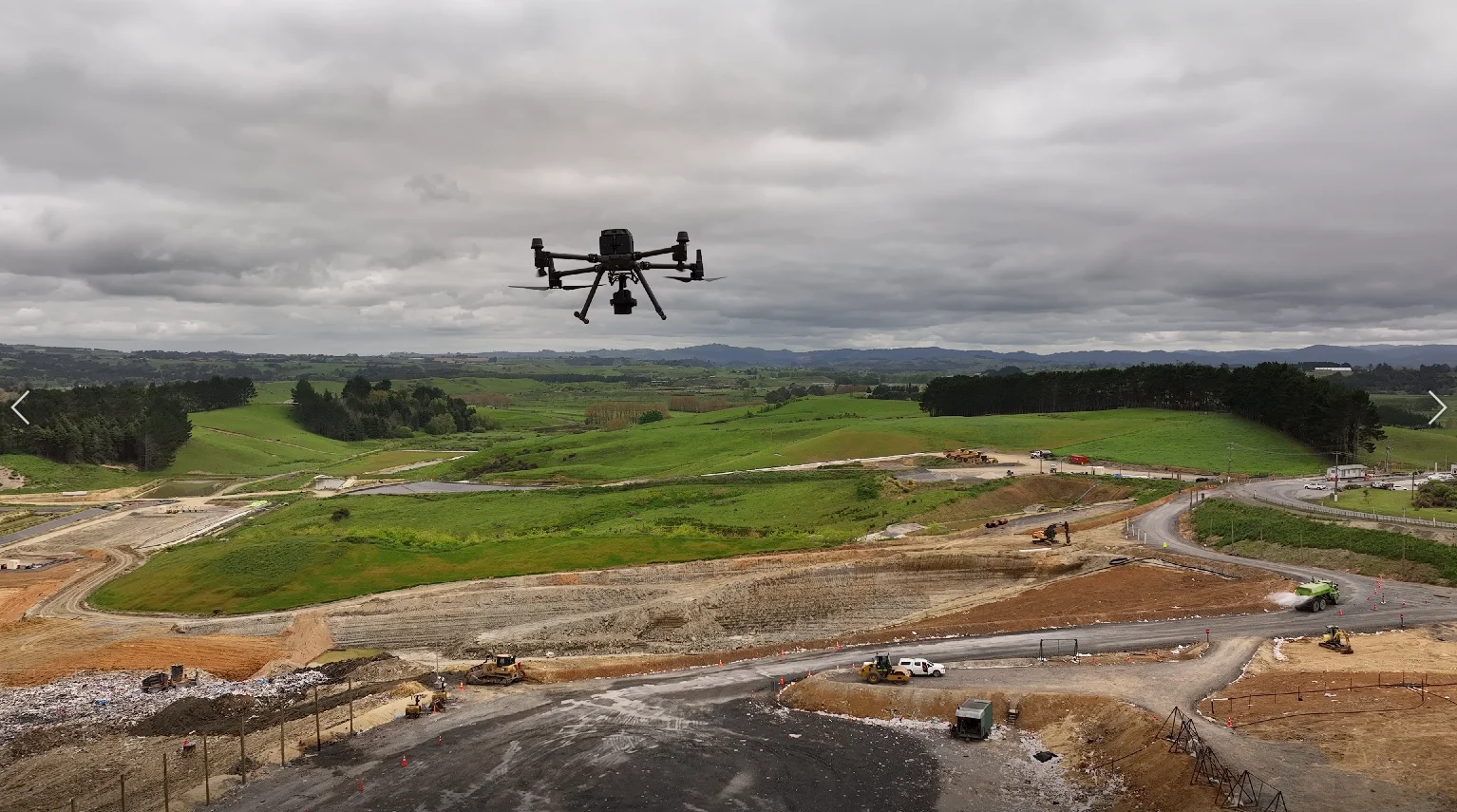
Unmanned aircraft systems, or UAS, can carry gas detection payloads over areas that may be large, elevated, hazardous, or difficult to access on foot.
Potential applications include:
- Storage tanks and tank farms
- Long-distance pipelines
- Elevated process equipment
- Compressor and metering stations
- Large industrial sites
- Landfills and other distributed emission areas
When combined with mission planning, georeferenced measurements, inspection records, and reporting software, UAS can improve screening coverage and help teams prioritize locations for closer inspection.
UAS-based detection should generally be viewed as one layer within a broader LDAR workflow. Whether it can replace a prescribed inspection method depends on the applicable regulation and any required approval for alternative technologies.
How Different Technologies Work Together
Different tools often serve different stages of an LDAR program.
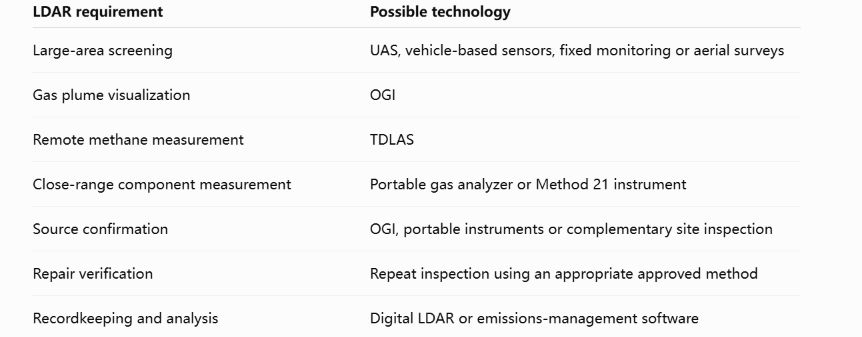
The most effective combination depends on the purpose of the survey. A system designed for rapid site screening may not provide the same information as a component-level compliance inspection.
The Role of Digital Data in Modern LDAR
As inspection technologies develop, LDAR is becoming increasingly data-driven.
A digital LDAR system may connect:
- Equipment and component inventories
- Inspection routes
- Gas measurements
- Images and videos
- Geographic coordinates
- Leak classifications
- Repair assignments
- Verification results
- Historical inspection records
This makes it possible to compare findings across multiple inspection cycles instead of treating each survey as an isolated activity.
Long-term data can help operators identify:
- Components with repeated leakage
- Areas with a higher frequency of findings
- Changes in leak patterns
- Maintenance priorities
- Gaps in inspection coverage
- Opportunities to improve inspection schedules
Advanced analytics may support risk assessment and maintenance planning. However, predictive results should be treated as decision-support information and validated against actual field conditions.
Why Are Industrial Companies Paying More Attention to LDAR?
The growing interest in LDAR is being driven by several factors.
Regulatory Development
Methane and VOC regulations increasingly require structured monitoring, repair, verification, and recordkeeping rather than occasional inspections.
Environmental Reporting
Reliable inspection records can support emissions inventories, environmental disclosures, and internal sustainability programs. LDAR data alone, however, may not be sufficient to calculate total facility emissions.
Operational Reliability
Recurring leakage can indicate damaged seals, worn components, abnormal pressure conditions, or other maintenance issues. LDAR findings can therefore contribute to asset integrity management.
Product-Loss Reduction
For oil and gas operators, methane leakage may represent lost product. Detecting and repairing leaks can potentially reduce avoidable losses, although the economic result depends on leak size, repair cost, operating conditions, and gas value.
Improved Inspection Efficiency
Remote sensing, UAS platforms, and digital data systems can help teams screen larger areas and prioritize field resources more effectively.
From Leak Detection to Continuous Emissions Management
The development of LDAR reflects a broader change in industrial emissions management.
The focus is moving from simply asking:
“Is there a leak?”
to answering a wider set of questions:
- Where is the leak located?
- Which component is responsible?
- How significant is the finding?
- Has the repair been completed?
- Was the repair successful?
- Has the same component leaked before?
- Are particular assets or areas showing recurring problems?
As sensing, automation, and data-management technologies continue to develop, LDAR programs are likely to become more connected and more capable of supporting maintenance and emissions-management decisions.
The objective remains straightforward: detect leaks, repair them, verify the result, and maintain a reliable record of the entire process.
Conclusion
LDAR is not simply a gas detection activity. It is a structured framework for managing fugitive emissions throughout the detection, repair, verification, and documentation cycle.
OGI, portable analyzers, TDLAS instruments, UAS platforms, fixed sensors, and digital software can each contribute different capabilities. The right combination depends on the facility, inspection objective, environmental conditions, and applicable regulatory requirements.
For industrial operators, building an effective LDAR program means connecting field detection with maintenance action and traceable data—not merely selecting a single detection instrument.
References
- US EPA – Leak Detection and Repair: A Best Practices Guide
- US EPA – Final Rule for Oil and Natural Gas Operations
- US EPA – Frequently Asked Questions: Fugitive Emissions
- European Union – Regulation (EU) 2024/1787
- European Union – Overview of Methane Emissions Regulation in the Energy Sector
Disclaimer
This content is provided for general informational and educational purposes only. It does not constitute legal, regulatory, engineering, or operational advice. LDAR requirements, approved detection methods, inspection frequencies, repair deadlines, and reporting obligations vary by jurisdiction and facility. Operators should consult the applicable regulations and qualified professionals before developing or modifying an LDAR program.