

Industry
-
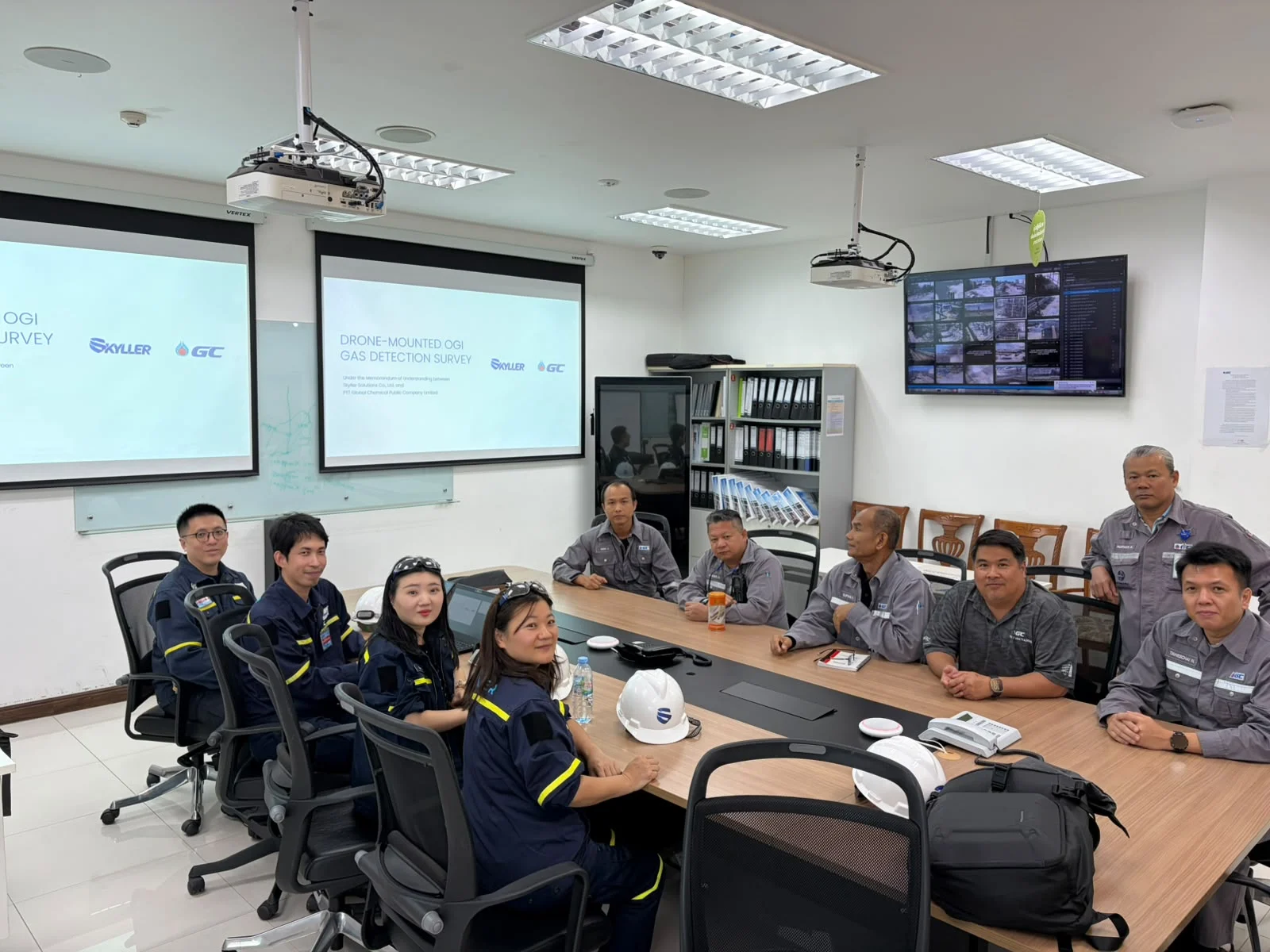
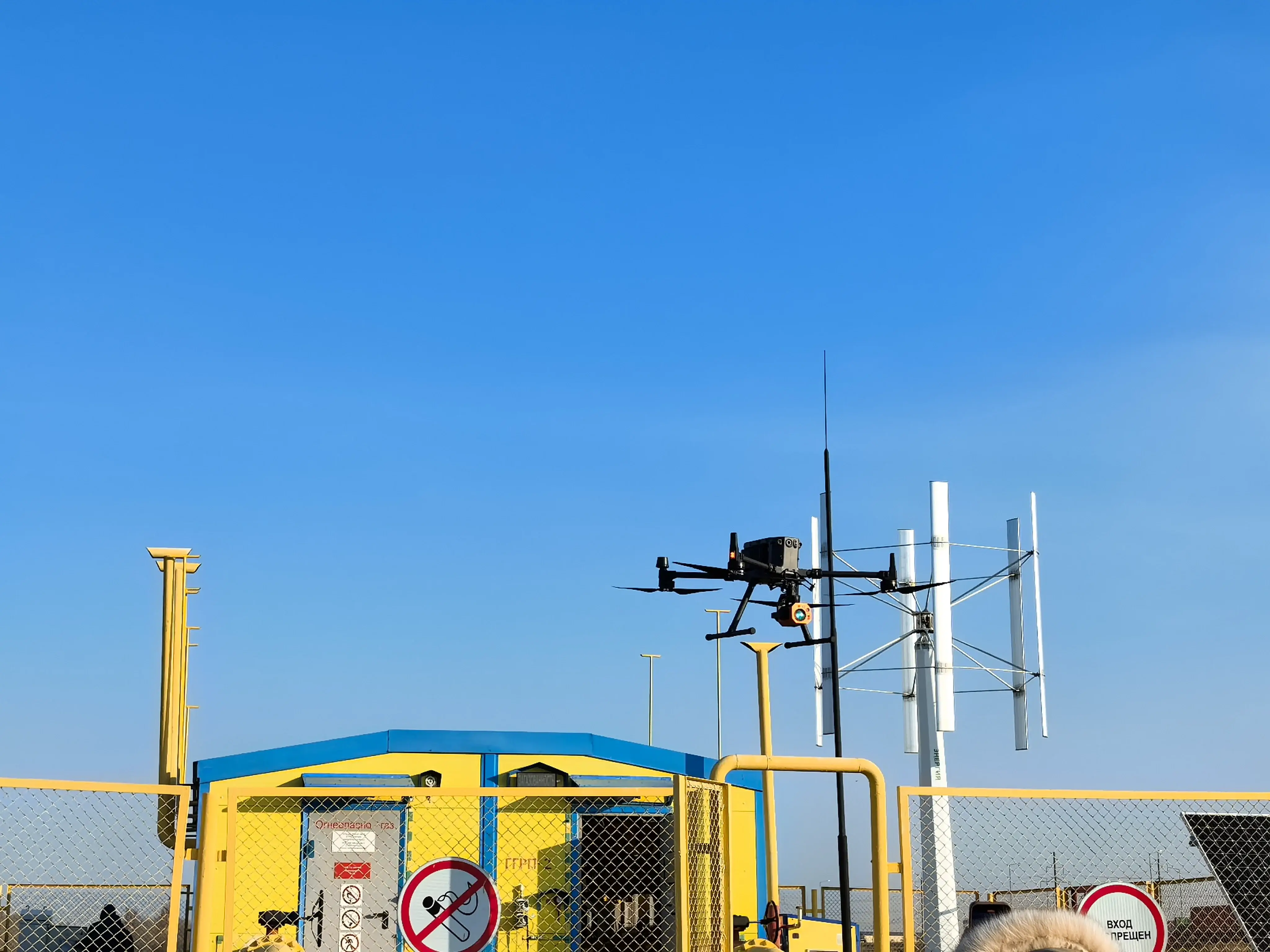
GasVision-TD1 Field Test at PTT Global Chemical, Thailand
Project Background PTT Global Chemical (PTTGC), a major petrochemical company in Thailand, operates industrial facilities where gas leak detection and routine equipment inspections are important aspects of operational safety. Floa...
LEARN MORE+ -
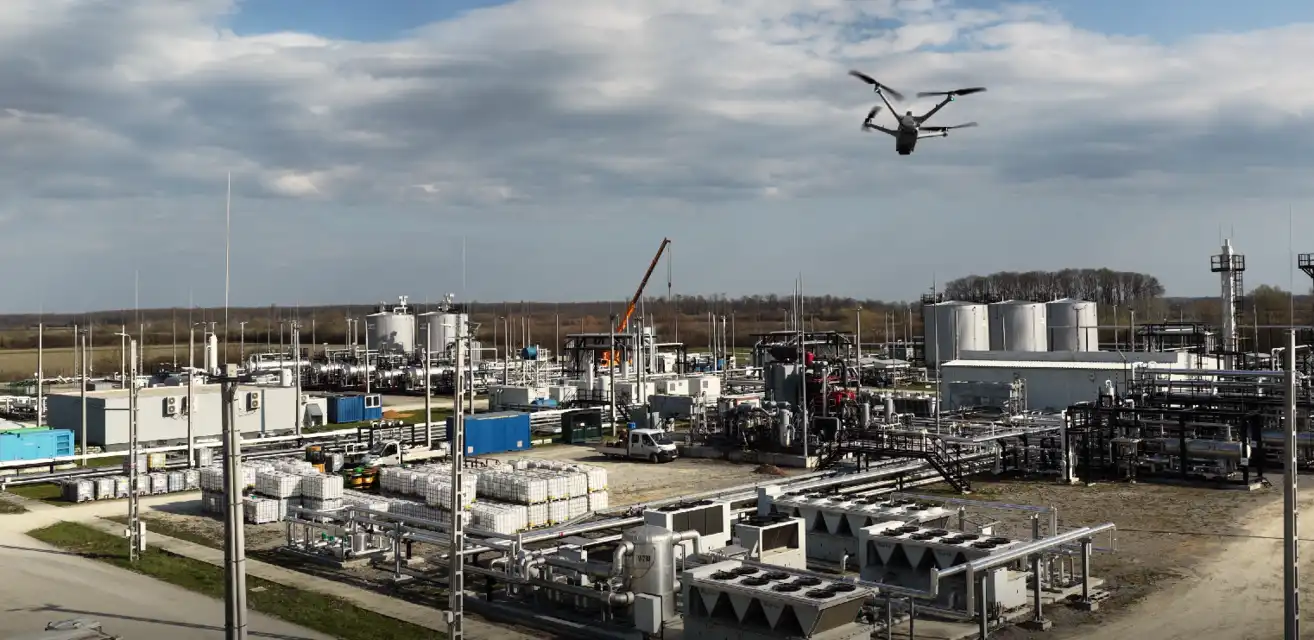
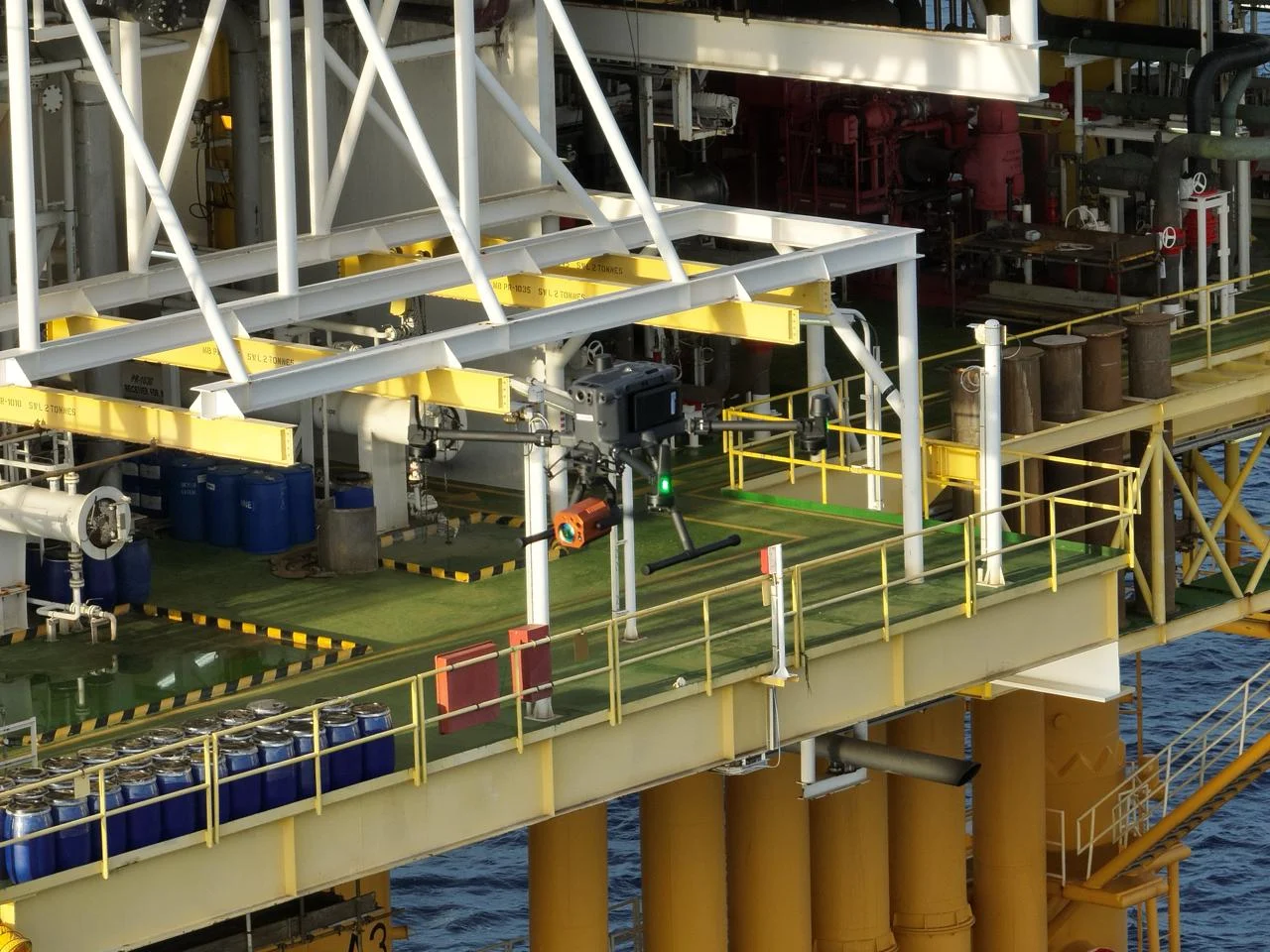
Methane Leak Detection in the Oil & Gas Industry
Introduction Methane (CH₄) is widely recognized as one of the most significant greenhouse gases associated with anthropogenic emissions. According to commonly cited climate assessment frameworks, methane exhibits a substantially ...
LEARN MORE+ -
Understanding LDAR: From Leak Detection to Emissions Management
Industrial operators have traditionally focused on gas leaks primarily as a process-safety concern. Today, however, leak management is also being shaped by methane-reduction targets, tighter environmental requirements and growing exp...
LEARN MORE+ -
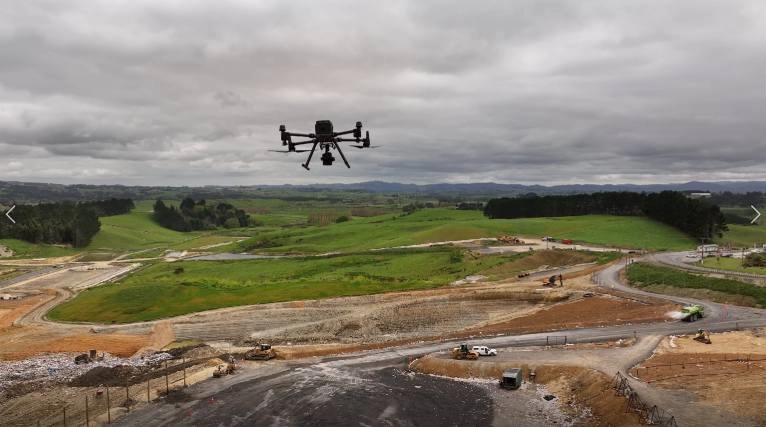
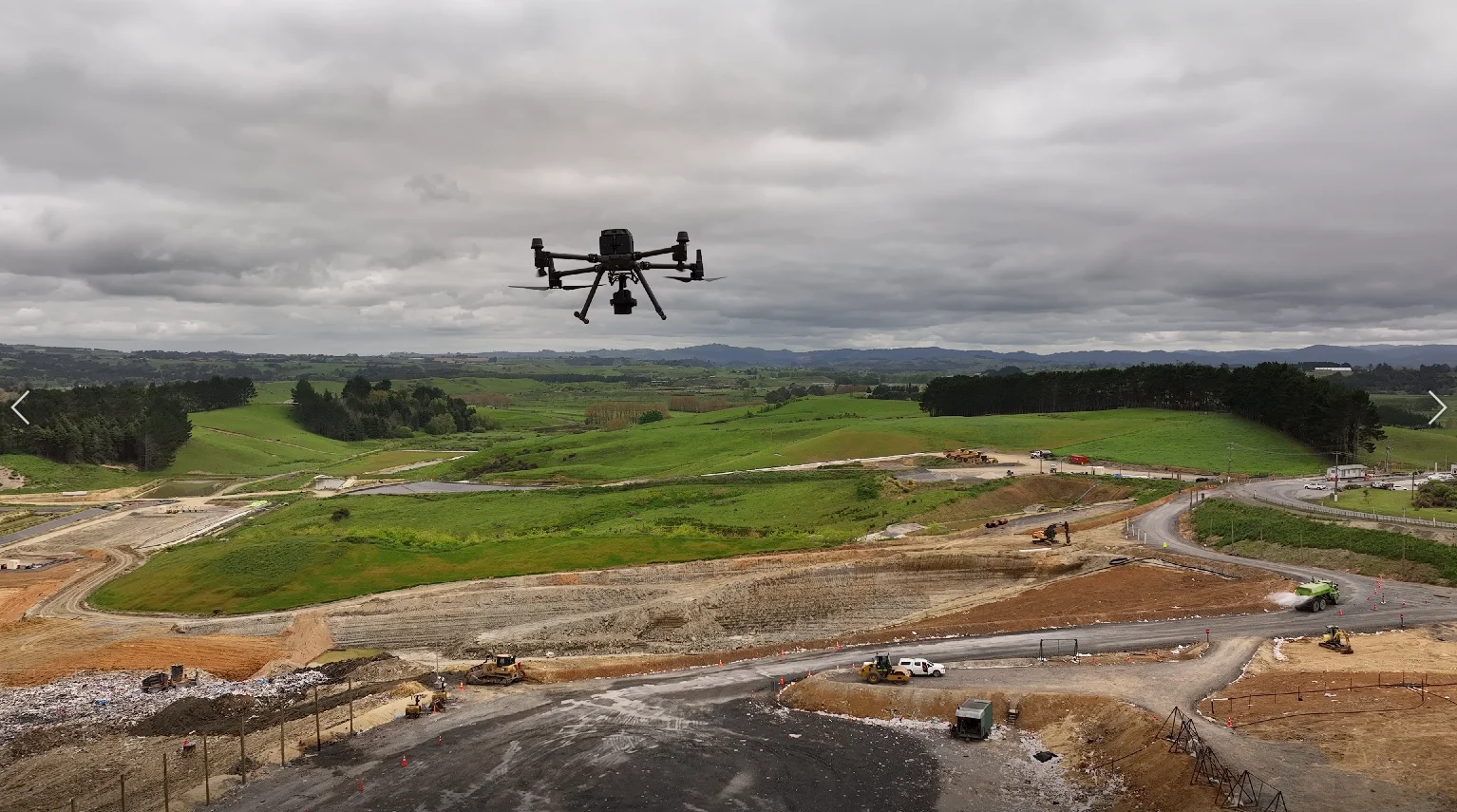
Landfill Methane Monitoring: Technologies, Challenges, and Emerging Trends
Introduction Municipal solid waste landfills are widely recognized as a significant source of anthropogenic methane (CH₄) emissions. Methane is produced during the anaerobic decomposition of organic waste and may continue to be gener...
LEARN MORE+ -
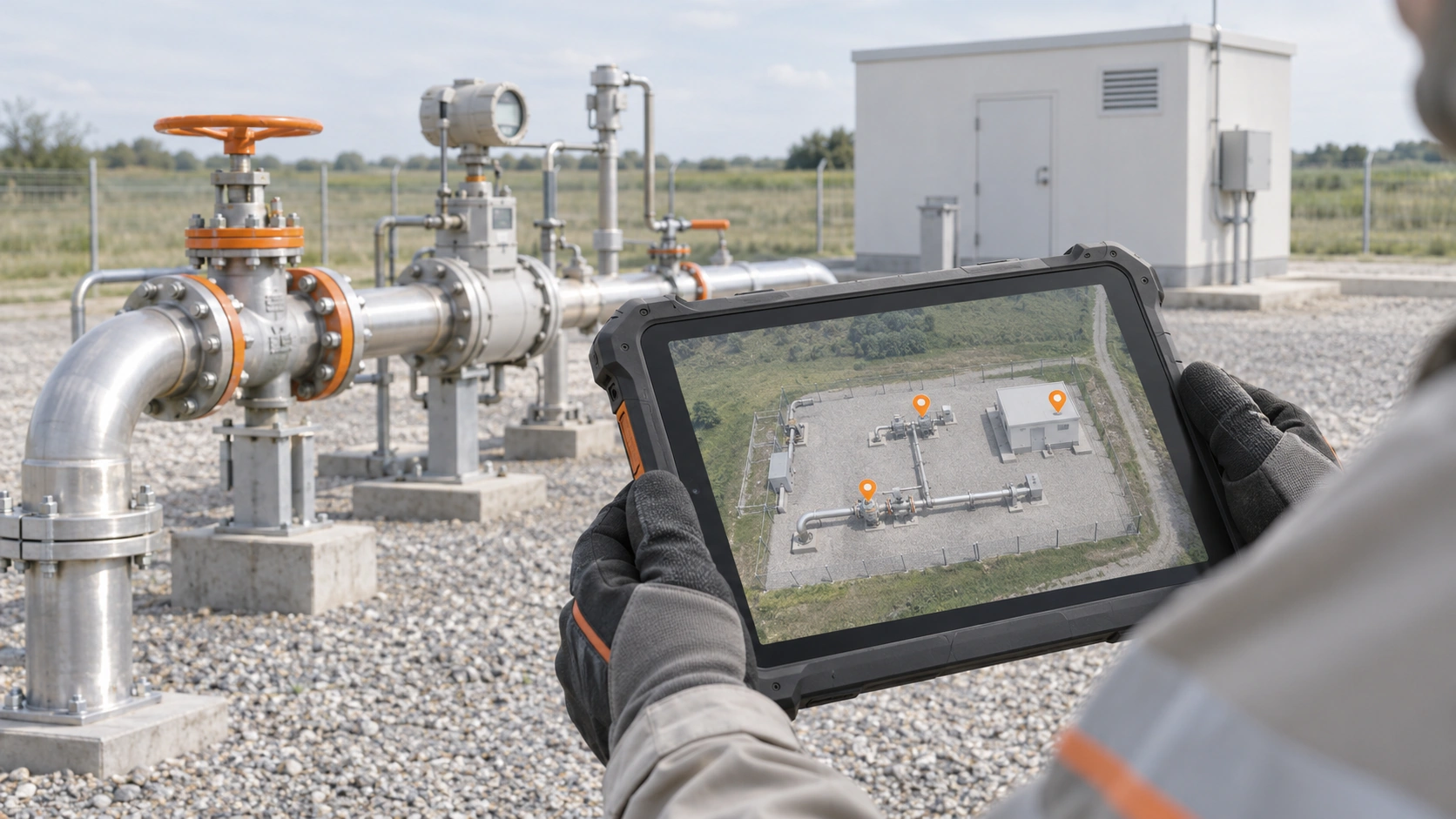
Methane Monitoring for ESG Compliance: Technologies, Methodologies, and Emerging Practices in Environmental Reporting
Introduction Environmental, Social, and Governance (ESG) frameworks have become an increasingly important component of corporate sustainability reporting across the global energy, industrial, and infrastructure sectors. Within this c...
LEARN MORE+ -
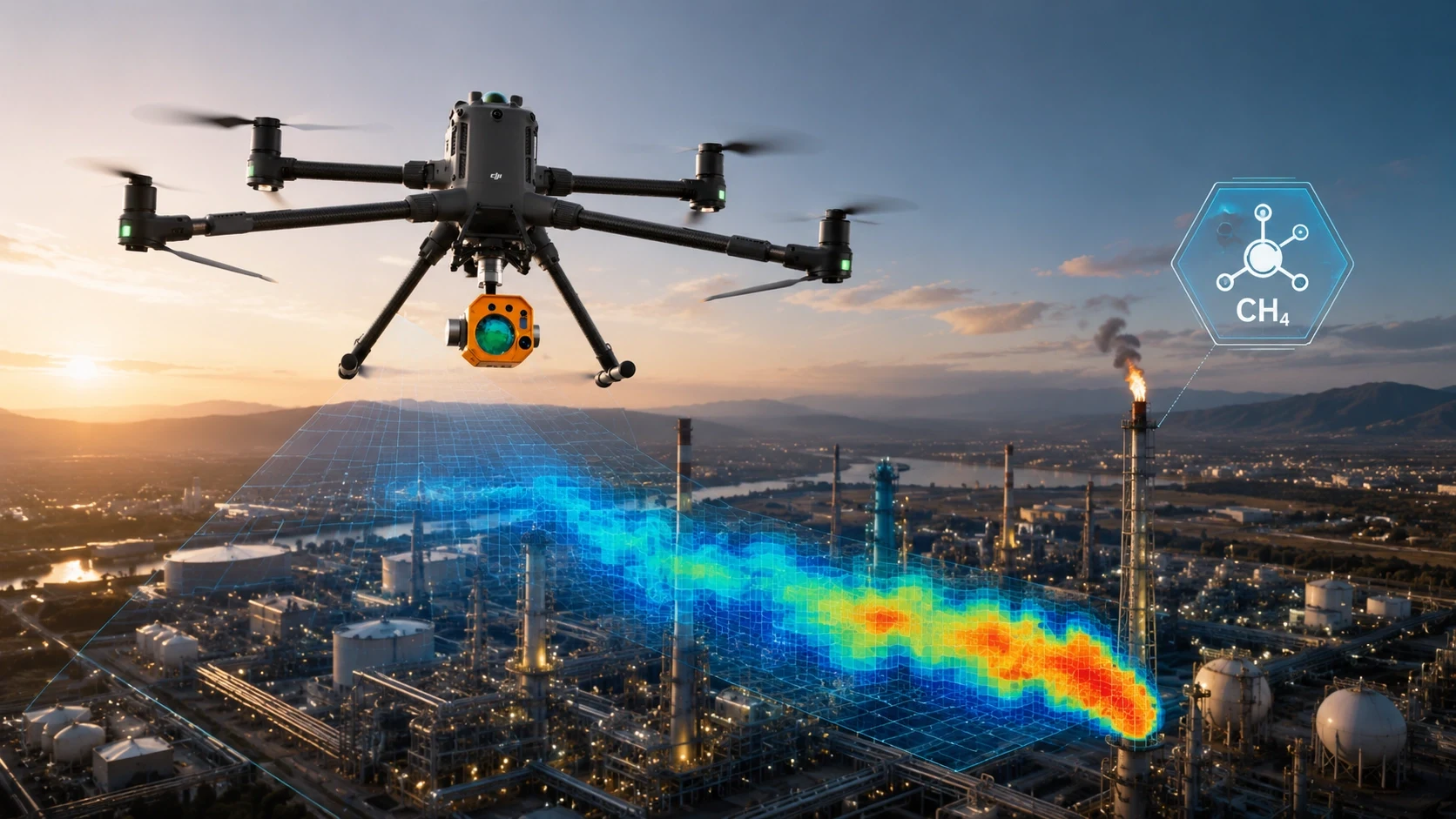
Pipeline Inspection Using UAV Systems: Modern Approaches to Methane Monitoring and Infrastructure Integrity
Introduction Natural gas transmission and distribution pipelines form the backbone of modern energy infrastructure. Spanning thousands of kilometers across urban areas, rural regions, deserts, forests, mountains, and offshore environ...
LEARN MORE+ -
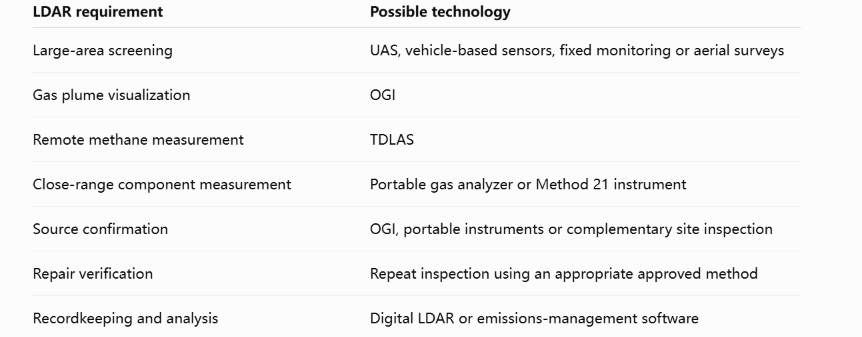
What Is LDAR and Why Are Industrial Companies Paying Attention to It?
Gas leak management was traditionally driven mainly by process safety and operational reliability. Today, the issue has taken on a broader significance. As methane reduction targets, emissions regulations, and corporate environmental...
LEARN MORE+ -
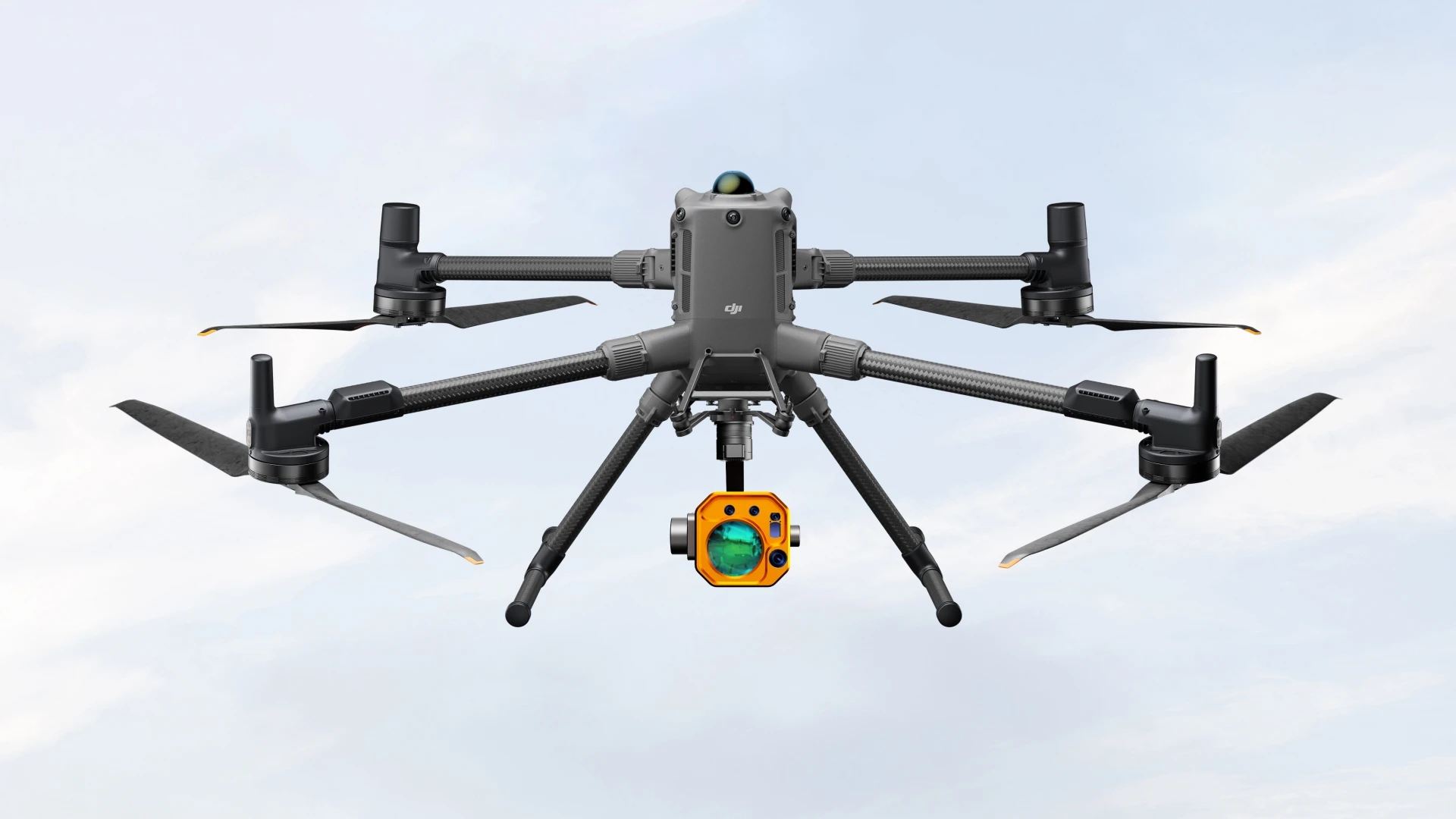
OGMP 2.0 2026: What Better Methane Data Means for Gas Inspection
UNEP's OGMP 2.0 2026 report shows how measurement is becoming a larger part of methane management. The partnership now includes 163 companies operating in 90 countries and covering 43% of global oil and gas production. Of the emissions ...
LEARN MORE+ -
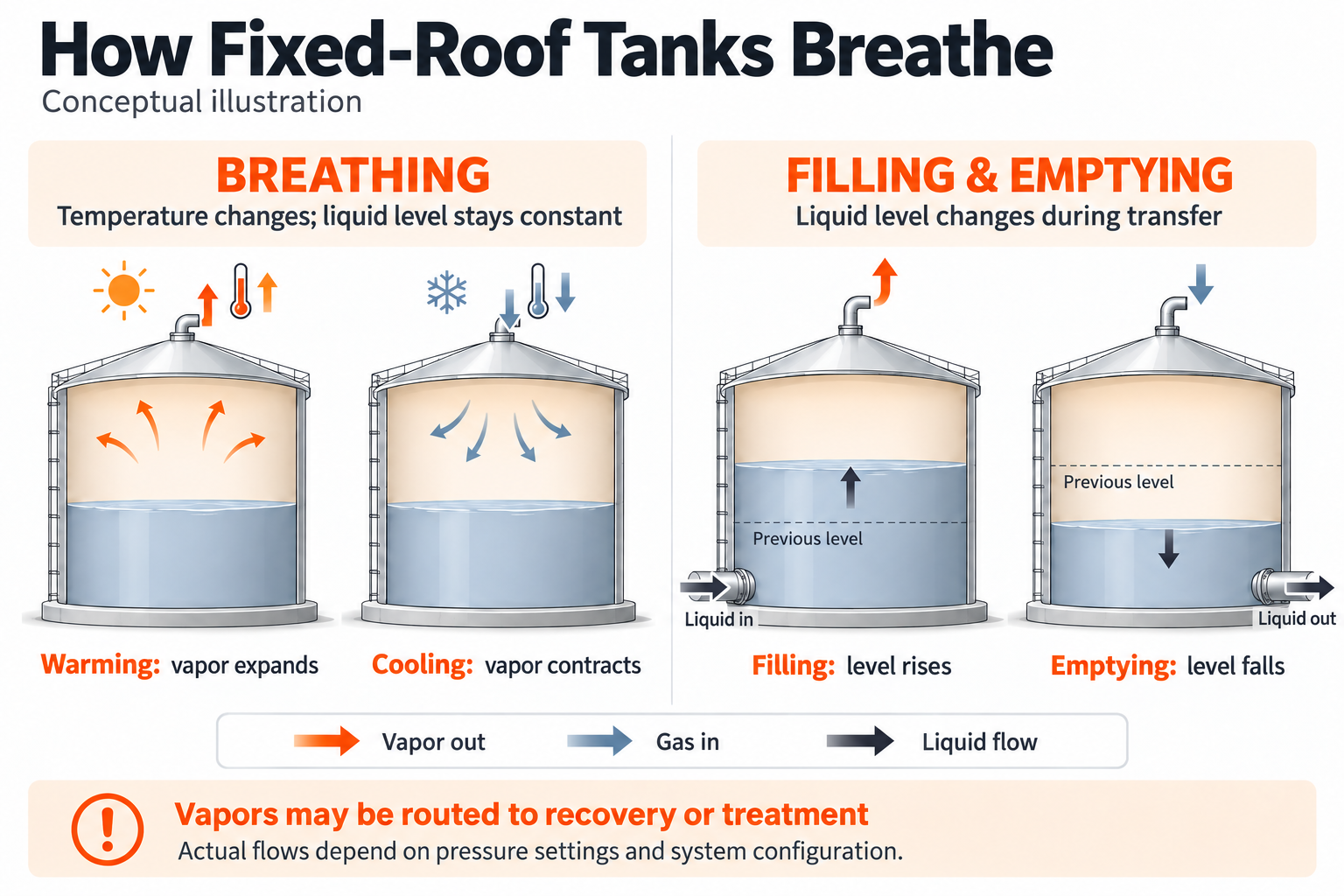
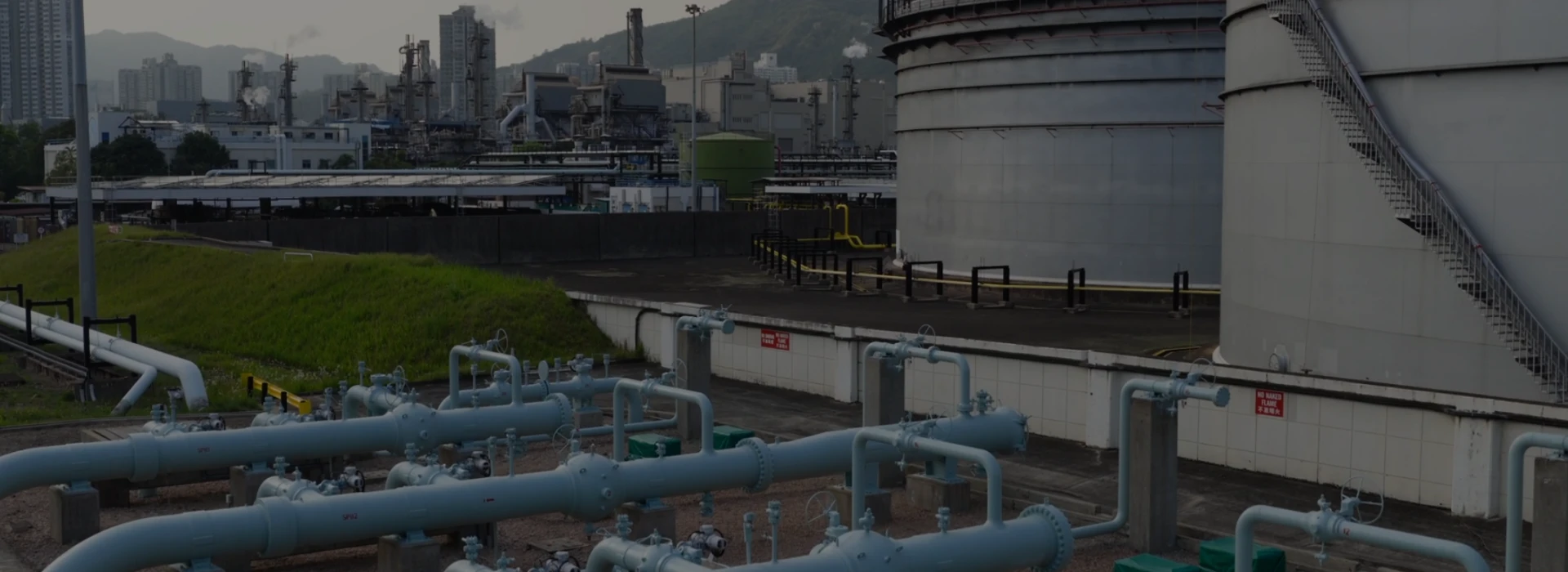
Why Storage Tanks Breathe: Vapor Emissions and Gas Inspection
Storage tanks can release vapors even when no product is being transferred. Changes in temperature, pressure and liquid level all affect vapor movement. Understanding these mechanisms helps inspection teams select observation points and...
LEARN MORE+ -
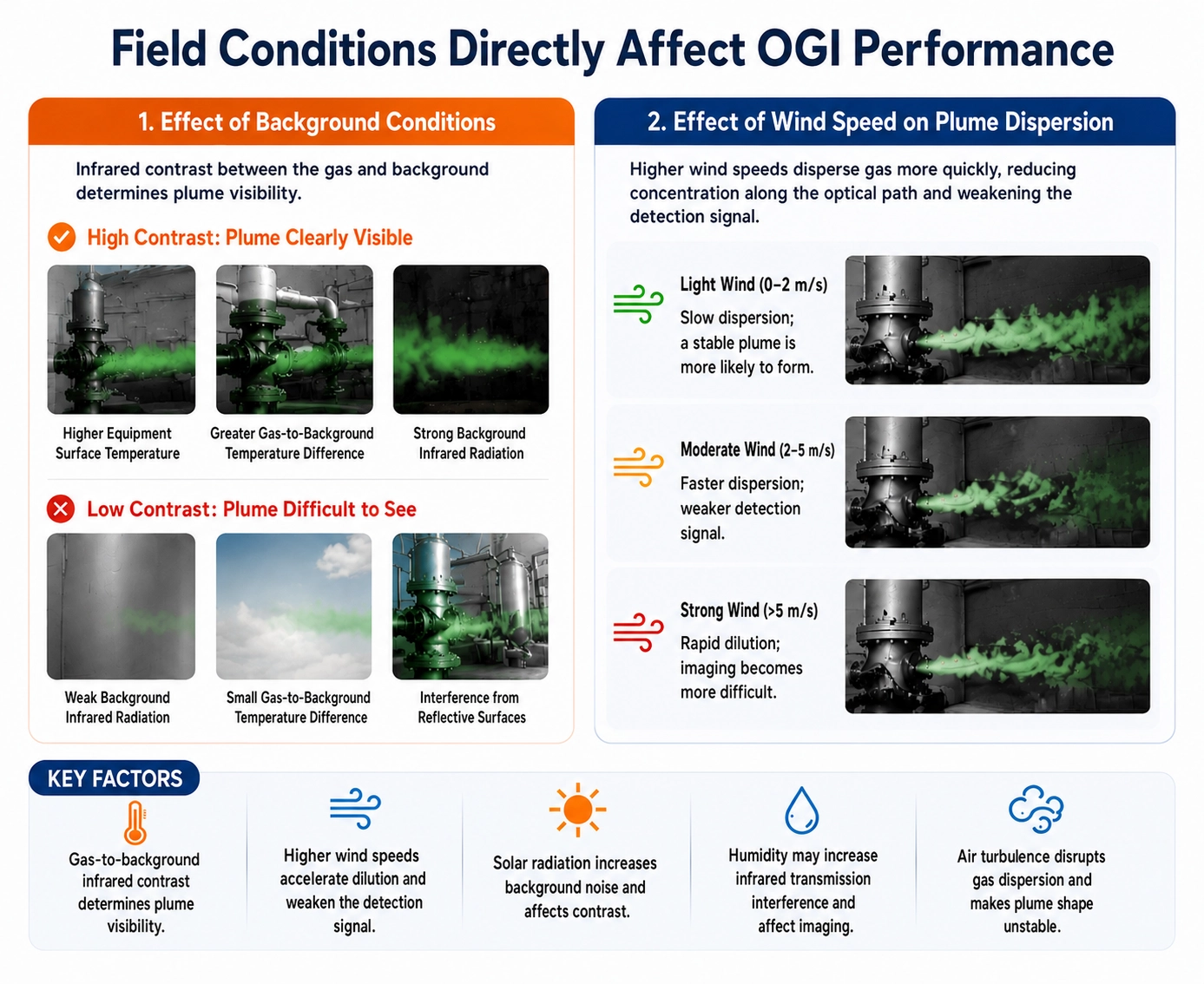
What Affects OGI Detection Performance?
In industrial applications, users may notice that the same Optical Gas Imaging (OGI) camera can produce very different results—even when observing the same equipment or the same leak point. At one moment, the gas plume may appear cle...
LEARN MORE+